

Venus Meteor Shower: Ancient Asteroid to Cause Rare Celestial Event in July
Venus to Put on a Rare Meteor Shower – and What It Tells Us About the Future of Space Observation
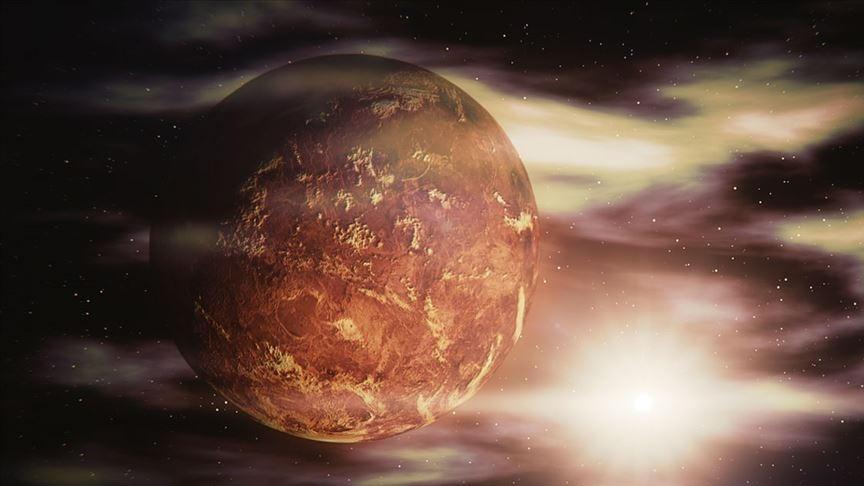
The solar system’s scorching twin, Venus, is poised to become the center of a spectacular celestial event. Recent research indicates that debris from a massive asteroid that fragmented millennia ago will cause a dazzling meteor shower in the Venusian atmosphere this July. While difficult to observe directly from Earth, this event promises a breathtaking display of light for any potential observers near the planet.
Unraveling the Mystery of Two Asteroids
The story begins with two asteroids, designated 2021 PH27 and 2025 GN1, which orbit remarkably close to Venus, sharing a similar path. A team led by Albino Carbognani at the Italian National Astrophysical Institute (INAF) meticulously studied these objects. Their findings revealed that these aren’t two independent asteroids, but rather remnants of a single, larger asteroid that broke apart approximately 20,000 years ago. This discovery is crucial for understanding the dynamics of the inner solar system.
The July 5th Convergence
Simulations predict that the dust trail from this ancient fragmentation will intersect Venus’s orbit. The peak of the shower is expected on July 5th, with thousands of millimeter-sized particles entering the Venusian atmosphere and burning up, creating an intense meteor display. This isn’t just a beautiful sight; it’s a unique opportunity to study the composition of a long-lost asteroid.
Can We See It From Earth?
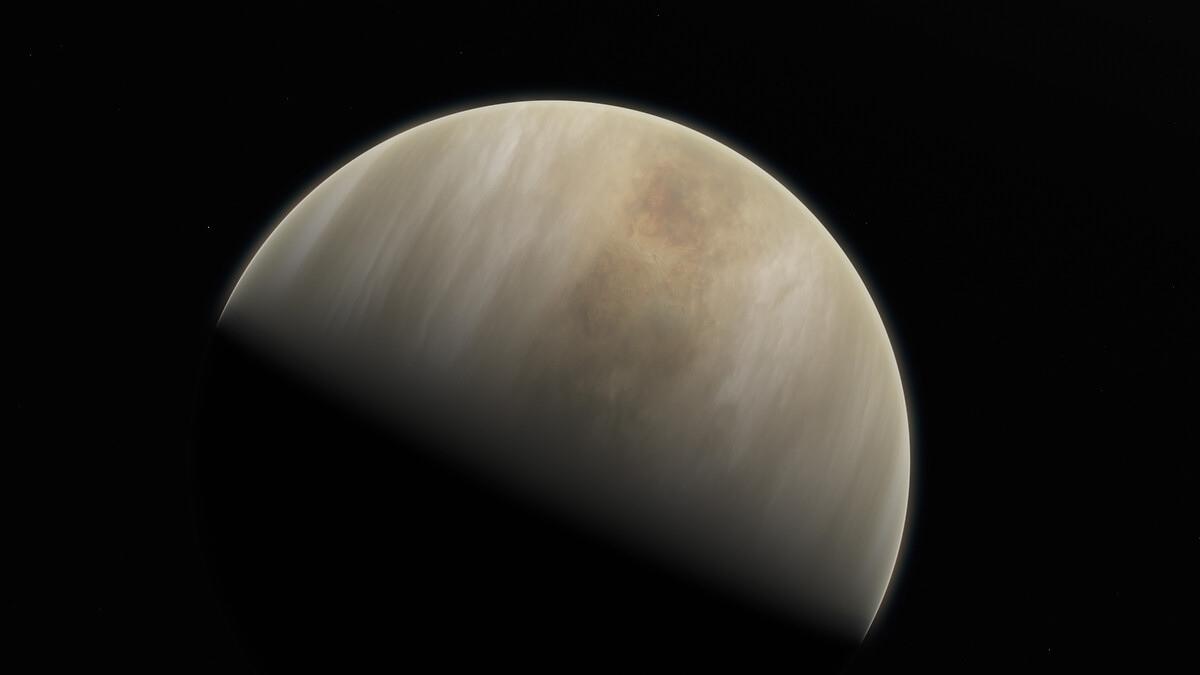
Observing this event from Earth will be challenging. However, exceptionally large meteors – what astronomers call “fireballs” – potentially as bright as the Moon, might be visible. The real potential for detailed observation lies with future missions. Upcoming spacecraft like EnVision and DAVINCI, planned to orbit Venus, will be ideally positioned to study these meteor showers directly. These missions represent a significant leap forward in our ability to study planetary atmospheres and space weather.
A Venusian Geminid Shower
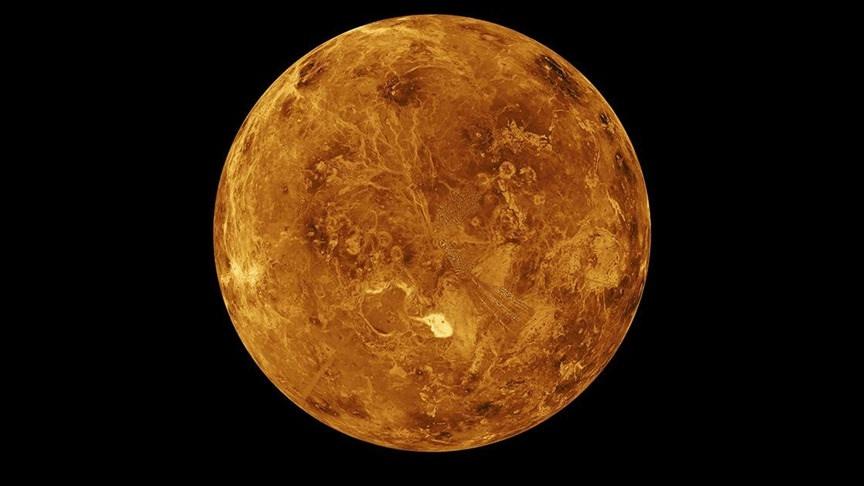
Most meteor showers on Earth originate from debris shed by comets. However, the Venusian shower, like the Geminid meteor shower in December (known for its high rate of meteors), stems from the breakup of an asteroid. This similarity highlights a key point: asteroid fragmentation is a significant source of meteor showers throughout the solar system. Understanding these events is vital for refining our models of asteroid evolution and their impact on planetary environments. NASA’s Geminid shower page provides more information on this terrestrial counterpart.
The Future of Meteor Shower Observation: Beyond Earth
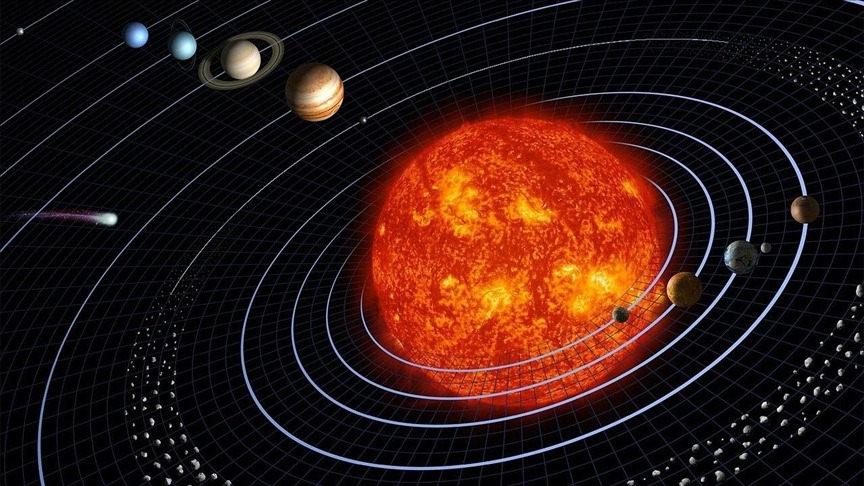
This Venusian meteor shower isn’t just a spectacular event; it’s a harbinger of a new era in space observation. As space agencies plan more missions to Venus and other planets, we’ll gain unprecedented access to these celestial displays. The data collected will help us refine our understanding of the solar system’s history, the composition of asteroids, and the processes that shape planetary atmospheres.
The development of advanced sensors and imaging technologies is also playing a crucial role. Future missions will likely incorporate hyperspectral imaging, allowing scientists to analyze the chemical composition of meteor trails in real-time. This will provide invaluable insights into the parent asteroids and the conditions within planetary atmospheres.
Furthermore, the increasing use of artificial intelligence (AI) and machine learning (ML) will automate the detection and analysis of meteor showers. AI algorithms can sift through vast amounts of data, identifying subtle patterns and anomalies that might be missed by human observers. This will accelerate the pace of discovery and allow scientists to focus on the most promising areas of research.
Pro Tip:
Keep an eye on space weather forecasts! Increased solar activity can sometimes enhance meteor shower visibility, even from Earth. Resources like NOAA’s Space Weather Prediction Center provide real-time updates.
FAQ
- Will this meteor shower be visible from Earth? Potentially, very bright fireballs might be seen, but direct observation will be difficult.
- What caused this meteor shower? Debris from an asteroid that broke apart approximately 20,000 years ago.
- What missions will study this event? The upcoming EnVision and DAVINCI missions to Venus are best positioned for detailed observation.
- Is this similar to meteor showers on Earth? Yes, it’s similar to the Geminid shower, which originates from an asteroid rather than a comet.
This event underscores the dynamic nature of our solar system and the exciting possibilities that lie ahead in planetary exploration. The Venusian meteor shower is a reminder that even seemingly barren worlds can hold captivating secrets, waiting to be uncovered.
Did you know? The study of meteor showers can provide clues about the early solar system and the formation of planets.
Explore more articles on space exploration and planetary science here. Subscribe to our newsletter for the latest updates on celestial events and space missions!