
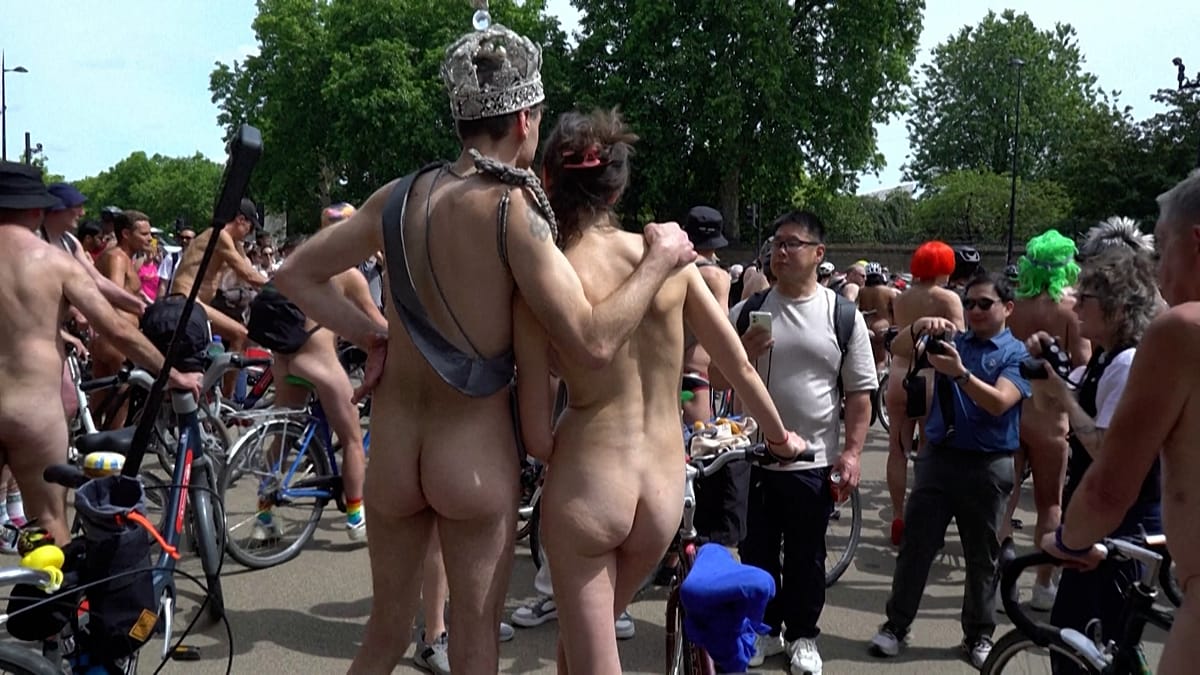
Video. World Naked Bike Ride returns to streets of London in the UK
The annual World Naked Bike Ride returned to London on 14 June, with hundreds of participants cycling past the Victoria Monument and the Houses of Parliament to advocate for road safety and environmental sustainability. Organizers stated the event serves as a platform to remind motorists of cyclists’ rights to road space while highlighting the vulnerability of non-motorized transport users.
Why do activists use body paint and protests for cycling advocacy?
Activists utilize the World Naked Bike Ride to create a high-visibility, peaceful protest that links sustainable transport with bodily autonomy. According to participants, the use of slogans and body paint serves to draw immediate attention to environmental causes, such as rainforest protection and oil reduction. Serena, a 23-year-old rider, noted that she and her peers have experienced multiple vehicle collisions, driving them to use the event as a public appeal for increased driver awareness regarding vulnerable road users.
The World Naked Bike Ride is a global phenomenon, occurring annually in major cities worldwide. It has evolved from a niche protest into a recurring platform for environmental campaigners to bridge the gap between transport policy and climate change advocacy.
How does the ride impact urban road safety policy?
The event functions as a recurring pressure point for local authorities to address infrastructure gaps. By physically occupying space in the heart of London, riders demonstrate the necessity for protected cycle lanes. While the protest is celebratory, organizers emphasize that the primary goal is to shift the perception of cyclists from “obstacles” to legitimate road users who require dedicated protection. Data from past events suggest that such demonstrations maintain pressure on municipal transport departments to prioritize bicycle-friendly urban planning over motorized traffic flow.
Future trends in sustainable transport activism
Protest movements are increasingly shifting toward intersectional messaging. Where early cycling advocacy focused strictly on infrastructure, current trends show a stronger integration of climate change goals and public health. This trend reflects a broader move toward “Active Travel” initiatives, which are being adopted by cities globally to reduce carbon footprints. As urban centers face rising congestion, the demand for safer cycling environments is likely to remain a central theme in local government policy debates.

If you are interested in local road safety, check your city council’s transport planning portal. Most municipalities provide public forums where residents can comment on proposed cycle lane expansions and traffic calming measures.
Frequently Asked Questions
What is the primary goal of the World Naked Bike Ride?
The main objectives are to promote cycle safety, demand better protection for vulnerable road users, and raise awareness for environmental issues like oil dependence.
Is the event held only in London?
No, the ride is an international movement that takes place in various major cities around the world on an annual basis.
How do organizers define “vulnerable road users”?
According to organizers, this term refers to cyclists and pedestrians who lack the physical protection provided by vehicle chassis and are therefore at higher risk during traffic collisions.
What are your thoughts on using unconventional protests to influence transport policy? Share your perspective in the comments section below or subscribe to our weekly newsletter for more updates on urban sustainability.