
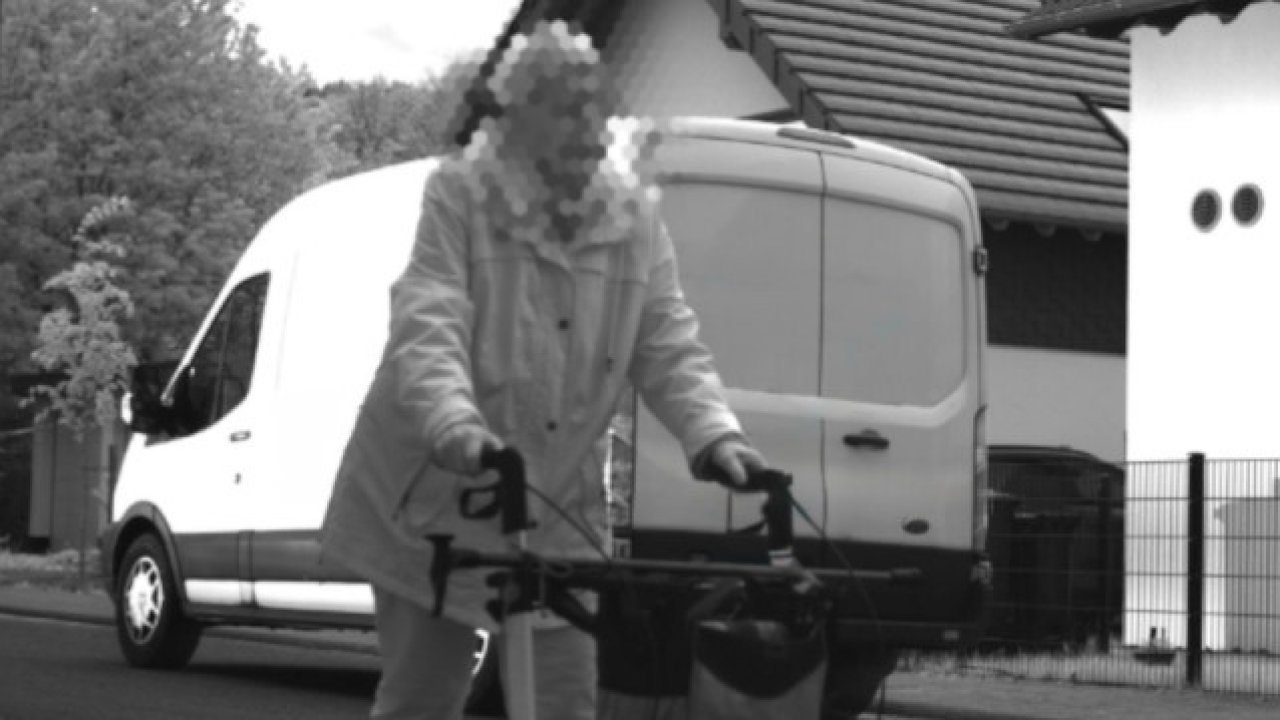
Viral Photo: Elderly Woman with Walker Caught Speeding at 42 km/h
From ‘Super-Grandmas’ to Smart Cities: The Future of Urban Speed Enforcement
A recent viral image from Germany—where an elderly woman with a walker appeared to be “speeding” at 42 km/h—highlighted a hilarious glitch in our current traffic enforcement systems. While the image became a meme, it exposed a critical reality: our reliance on simple, trigger-based photography is becoming obsolete.
As we move toward a more connected urban environment, the “lucky escape” experienced by the driver in that photo will soon be a thing of the past. We are entering an era where AI doesn’t just take a photo; it understands the context of the street.
The Shift Toward AI-Driven Contextual Awareness
Traditional speed cameras operate on a simple logic: if an object crosses point A and then point B within a certain timeframe, trigger the shutter. This is why a pedestrian crossing the street at the exact moment a car speeds by can create a “superhero” effect on camera.
The next generation of Intelligent Transport Systems (ITS) is moving toward Computer Vision (CV). Instead of a single snapshot, AI-powered cameras now use continuous video streams to track multiple objects simultaneously.
Real-Time Object Classification
Future systems will be able to distinguish between a pedestrian, a cyclist, and a vehicle in real-time. If a pedestrian blocks a license plate, the AI will simply track the vehicle’s trajectory from several frames prior, ensuring the offender is identified regardless of temporary obstructions.
Predictive Speed Monitoring
We are seeing a move toward “predictive policing” in traffic. Rather than waiting for a violation, smart sensors can analyze traffic flow patterns to identify “high-risk” zones. By adjusting speed limits dynamically based on weather, pedestrian density, or time of day, cities can prevent accidents before they happen.
For more on how these technologies are being deployed, check out the European Commission’s initiatives on Smart Cities.
Vision Zero: Designing Out the Danger
The German police used the viral “speeding grandma” photo to remind drivers that 30 km/h zones exist for a reason. This is part of a global movement known as Vision Zero—the philosophy that no loss of life on the road is acceptable.
The trend is shifting away from just “catching” speeders and toward “forcing” slower speeds through urban design. This includes:
- Chicanes and Speed Tables: Physical alterations to the road that make speeding physically uncomfortable.
- Shared Spaces: Removing curbs and signs to force drivers to be more alert and interact more naturally with pedestrians.
- Low Traffic Neighborhoods (LTNs): Using bollards to prevent “rat-running” through residential areas.
By integrating these designs with smart enforcement, cities are reducing the reliance on “luck” and increasing the safety of vulnerable road users, such as the elderly and children. [Internal Link: How Urban Design Impacts Mental Health]
The Ethics of Automated Enforcement
As we move toward fully automated ticketing, a significant debate is emerging: Where does the human element fit in?
The “super-grandma” case was handled with humour by the police, which humanized the department. However, as AI takes over the review process, there is a risk of “algorithmic bias” or a lack of common sense in issuing fines.
The future trend will likely involve a hybrid model. AI will handle the massive data sorting, but human officers will remain the final arbiters for “edge cases”—those absurd, funny, or complex situations that a machine cannot fully comprehend.
Frequently Asked Questions
Q: Can a pedestrian actually block a speed camera?
A: Yes, in traditional photo-based systems, a pedestrian crossing the road at the exact moment of the flash can obstruct the license plate, potentially making the ticket unenforceable.
Q: What is a 30 km/h zone, and why is it important?
A: These are low-speed zones typically found near schools or residential areas. The braking distance at 30 km/h is significantly shorter than at 50 km/h, drastically increasing the survival rate of pedestrians in a collision.
Q: How does AI improve traffic safety compared to old cameras?
A: AI uses continuous tracking and object recognition, meaning it doesn’t rely on a single “lucky” shot. It can monitor behavior, detect erratic driving, and identify vehicles even if they are partially obscured.
Stay Ahead of the Curve
Want to explore more about the intersection of technology and urban living? Subscribe to our newsletter for weekly insights into the future of smart cities!