
Vorbeck Materials Fuels Advanced Manufacturing Growth in North Dakota
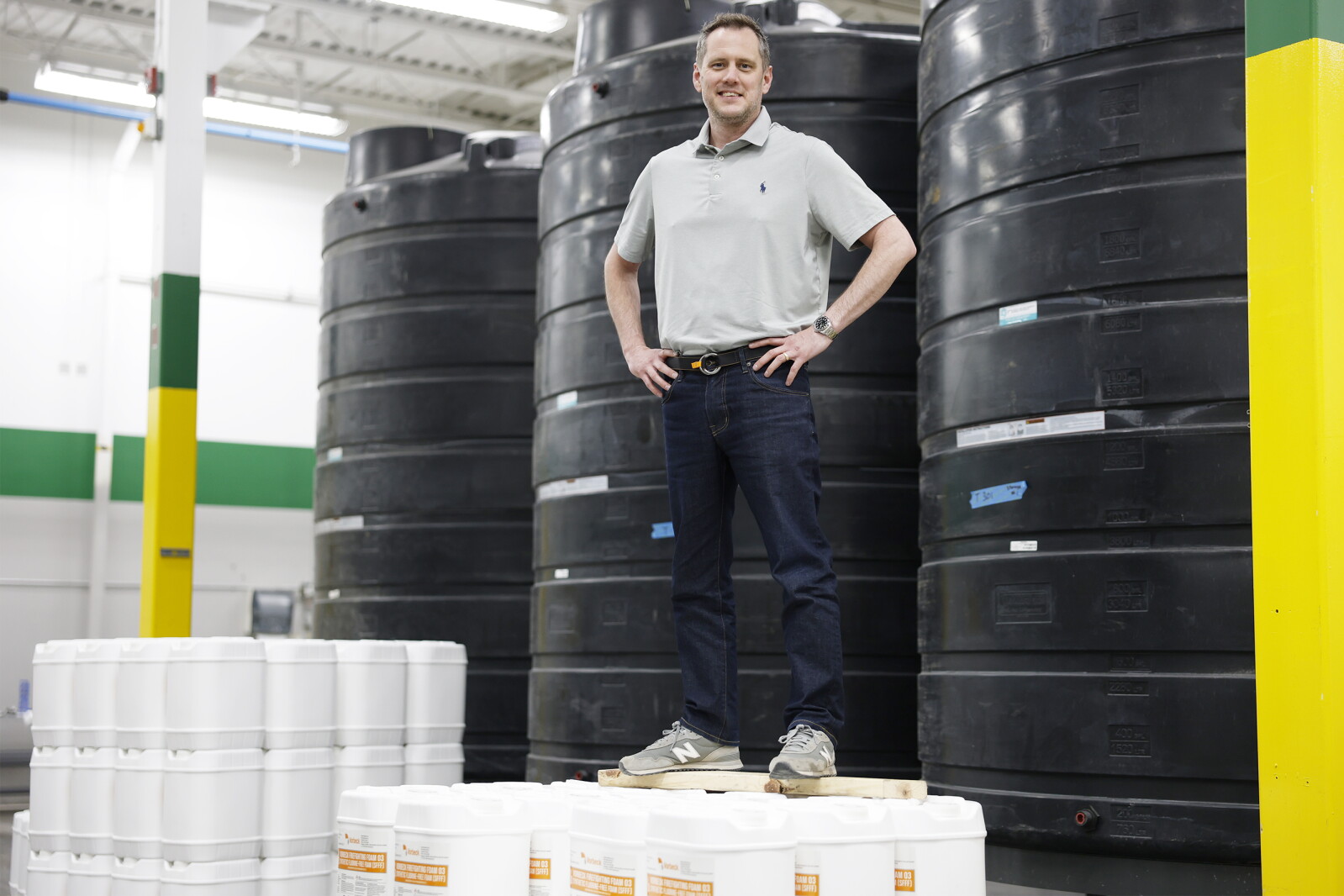
Vorbeck Materials, a Maryland-based company, has opened a manufacturing facility in Grand Forks, North Dakota, to produce graphene-based signal technologies and PFAS-free firefighting foam. The company recently secured a $6.6 million contract with the Defense Logistics Agency to support the development and adoption of its foam technology, according to Sen. John Hoeven.
Vorbeck’s director of operations for North Dakota, Tyler Sletten, stated that the company chose Grand Forks due to an environment that encourages “real products, real capability and real manufacturing.” The facility has already shipped hundreds of gallons of demo sample foam to the Fargo and Grand Forks fire departments, Sletten said.
Why did Vorbeck Materials expand to Grand Forks?
Vorbeck President and CEO John Lettow attributed the move to the city’s “fantastically connected business ecosystem.” Lettow highlighted the collaboration between city government, the business community, the University of North Dakota (UND), the Grand Forks Air Force Base, and the congressional delegation.

The new facility produces graphene antennas and firefighting foam free of PFAS, also known as “forever chemicals.” Sen. John Hoeven noted on June 3 that the $6.6 million Defense Logistics Agency contract secures the company’s operations and benefits the Navy, as the product can mix with sea water and function in extreme cold weather.
How is the manufacturing sector performing in North Dakota?
According to a Gov. Kelly Armstrong proclamation for Manufacturing Day 2025, the state hosts more than 890 manufacturing companies. These firms employ over 28,000 people, which accounts for 6.5% of the state’s workforce, with an average annual wage of $75,000.
Since 2022, manufacturers have added 900 new jobs in the state. Andrea Pfennig, vice president of government affairs at the North Dakota Chamber, stated that manufacturing occurs on some level in nearly every county in North Dakota.
What is the current manpower challenge for manufacturers?
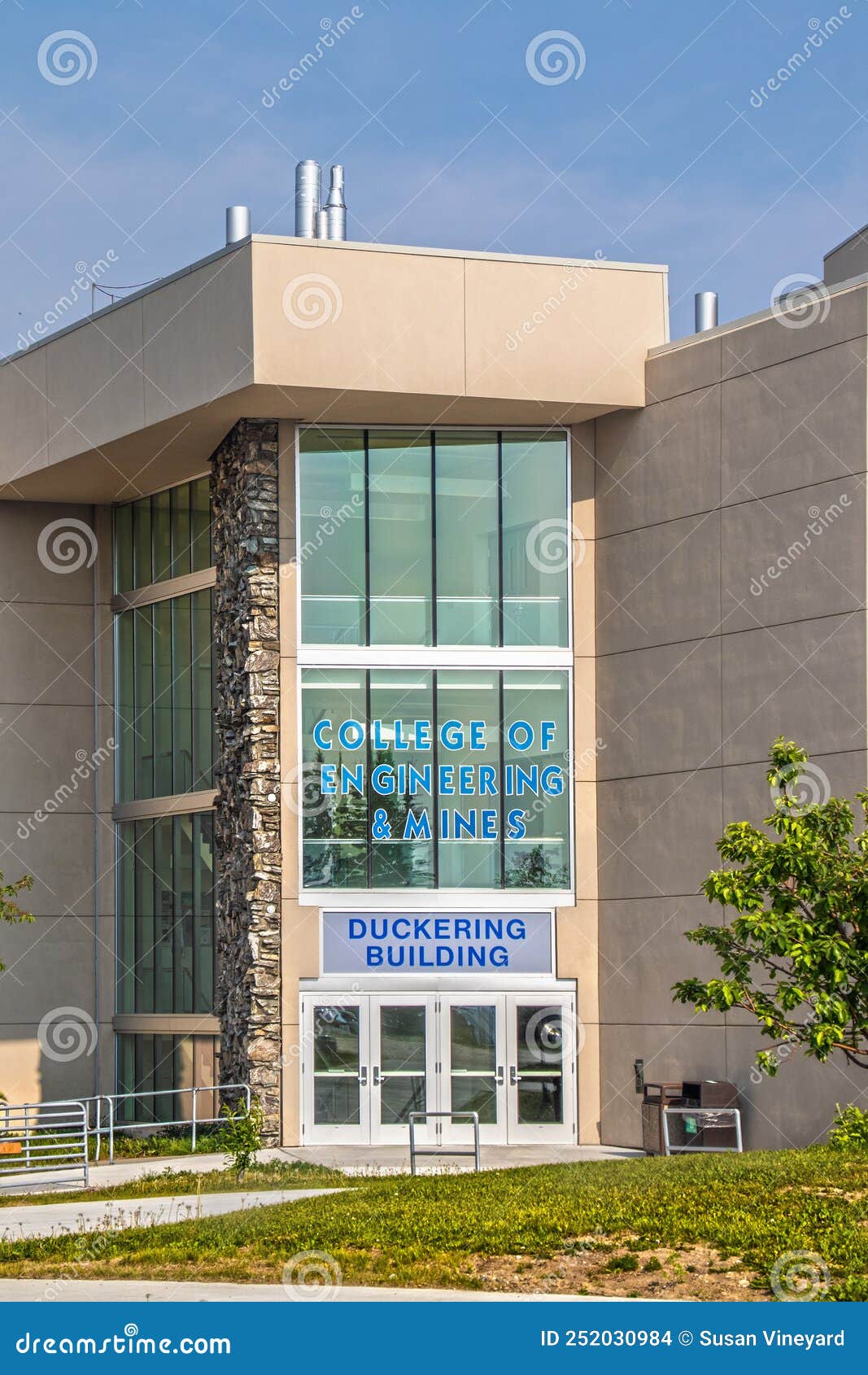
Ryan Adams, dean of UND’s College of Engineering and Mines, said the state’s primary obstacle is a lack of personnel. Adams stated that the state “fights above its weight” in manufacturing relative to its population density, creating a high demand for autonomy and lean manufacturing technologies to increase productivity.
To address this, UND offers programs in chemical, electrical, and mechanical engineering, as well as computer science. The university also operates a state-designated Materials and Manufacturing Research Center focused on material science and manufacturing technologies.
How is the MEP award transitioning from Impact Dakota to UND?
Impact Dakota, a nonprofit supporting small and medium manufacturers, closed at the end of 2025. CEO and president Jodie Mjoen stated the closure resulted from a funding gap after the Trump Administration pulled funding in April 2025; although funding was later restored, the nonprofit could not sustain the turbulence.
The organization’s Manufacturing Extension Program (MEP) award is transitioning to the UND College of Engineering and Mines. Adams noted that the college has already established a Manufacturing Leadership Forum to support regional partners.
What happens next for North Dakota manufacturing support?
The current MEP award cycle ends in March. UND has submitted paperwork to transition the award to the university, and Adams anticipates submitting another five-year proposal at that time.
University officials may begin visiting companies across the state to establish relationships and inform manufacturers of the available support as the transition from Impact Dakota continues.
Frequently Asked Questions
What specific products is Vorbeck Materials producing in Grand Forks?
The company produces signal technologies, such as graphene antennas, and a firefighting foam that is free of PFAS (“forever chemicals”).
What caused the closure of Impact Dakota?
According to CEO Jodie Mjoen, the nonprofit was unable to sustain a funding gap that occurred after the Trump Administration pulled funding in April 2025, despite the funding being restored later.
What is the economic impact of manufacturing in North Dakota?
In 2023, manufacturers supplied $5.8 billion in output and made $7.1 billion in manufactured goods exports, according to a Gov. Kelly Armstrong proclamation.
How do you think automation will change the workforce in rural manufacturing hubs?