
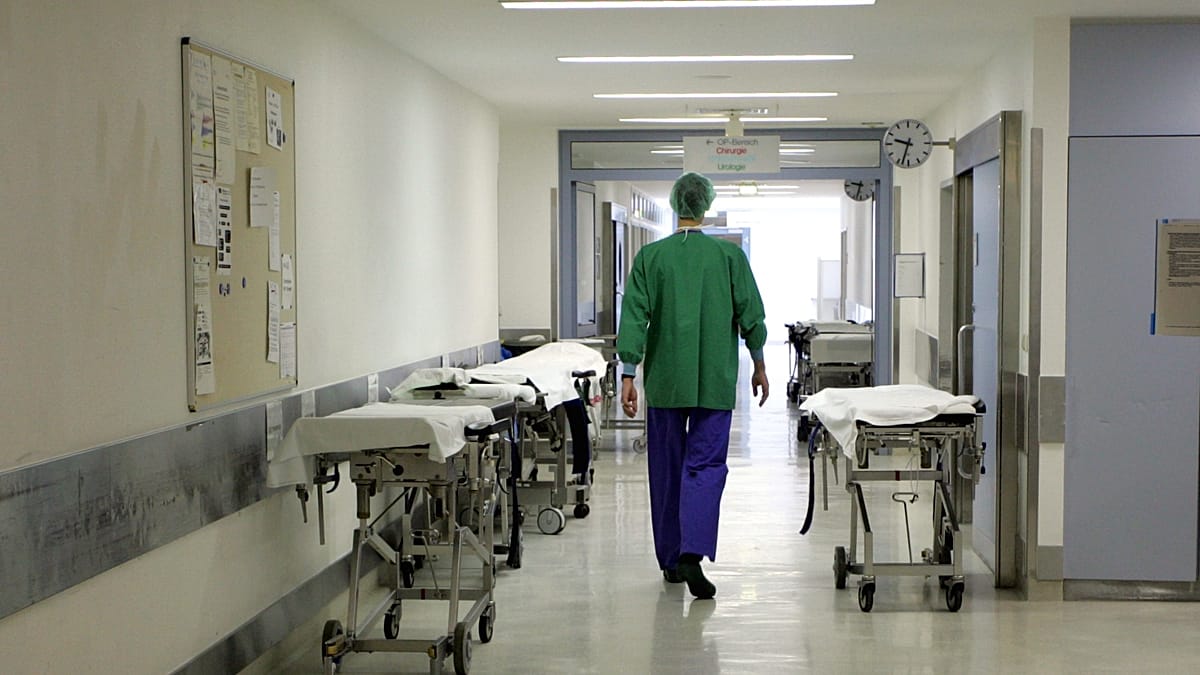
Waiting times for healthcare in Europe: The worst countries ranked
A troubling trend is emerging across Europe as healthcare systems struggle to balance the supply of medical services with an ever-growing demand. According to the OECD’s Health at a Glance 2025 report, patients are facing increasingly long waits for everything from routine general practitioner appointments to life-altering surgeries, signaling a deepening crisis in public health policy.
Did You Know? In Slovenia, the median wait time for a hip replacement reached 667 days in 2024, meaning half of the patients requiring the procedure waited nearly two years for treatment.
The Growing Burden of Waiting
The strain on primary care is evident across the continent. As of 2023, obtaining an appointment with a general practitioner or nurse takes at least a week for a significant portion of the population in several countries. In Sweden, 23% of patients wait more than a week, while in France, Germany, and the UK, roughly one in five patients face similar delays.
The situation becomes even more severe when moving toward specialist care. In the UK, 11% of patients report waiting more than a year to see a specialist, a figure notably higher than in France or Germany, where the share is 2%. These delays often result in patients living with prolonged pain and disability, which experts warn may worsen overall health outcomes by the time intervention finally occurs.
Surgical Backlogs and Pandemic Pressure
Elective surgeries, such as cataract procedures, demonstrate the lasting impact of the COVID-19 pandemic on health infrastructure. Among nine countries tracked, waiting times for cataract surgery rose in 2024 compared to 2019 in seven of them. In the UK, the share of patients waiting more than three months for this surgery more than doubled, climbing from 22% to 58%.
Expert Insight: The persistence of these waiting times suggests that healthcare systems are grappling with a complex mismatch between capacity and demand. As populations age and medical technology advances, the pressure on existing infrastructure is likely to remain high, potentially forcing policymakers to reconsider how resources are allocated to prevent further deterioration in patient care.
What May Happen Next
Given the current imbalance between service supply and rising demand, analysts expect that wait times for non-emergency care may continue to be a significant policy concern. If capacity constraints and funding decisions do not align with the needs of an aging population, the trend of unmet medical needs—already identified as a challenge by Eurostat—is likely to persist. Health systems may find themselves under continued strain, necessitating long-term structural adjustments to manage the backlog of patients effectively.
Frequently Asked Questions
Why do waiting times vary so much between different European countries?
According to the OECD, these differences result from variations in capacity constraints, funding decisions, the availability of health personnel, and how well systems adapt to the growing demand driven by aging populations and technological innovation.
How has the COVID-19 pandemic impacted surgery wait times?
The pandemic has had a lasting effect, with waiting times for cataract surgery in 2024 being higher than in 2019 for seven of the nine countries tracked. In the UK, the share of patients waiting more than three months for this surgery more than doubled.
What are the risks of long waiting times for patients?
Postponing necessary treatment means patients continue to live with pain and disability. This delay can lead to worsened health outcomes for patients by the time they finally receive the required intervention.
How do you believe your local healthcare system balances the need for timely access with the reality of limited medical resources?