
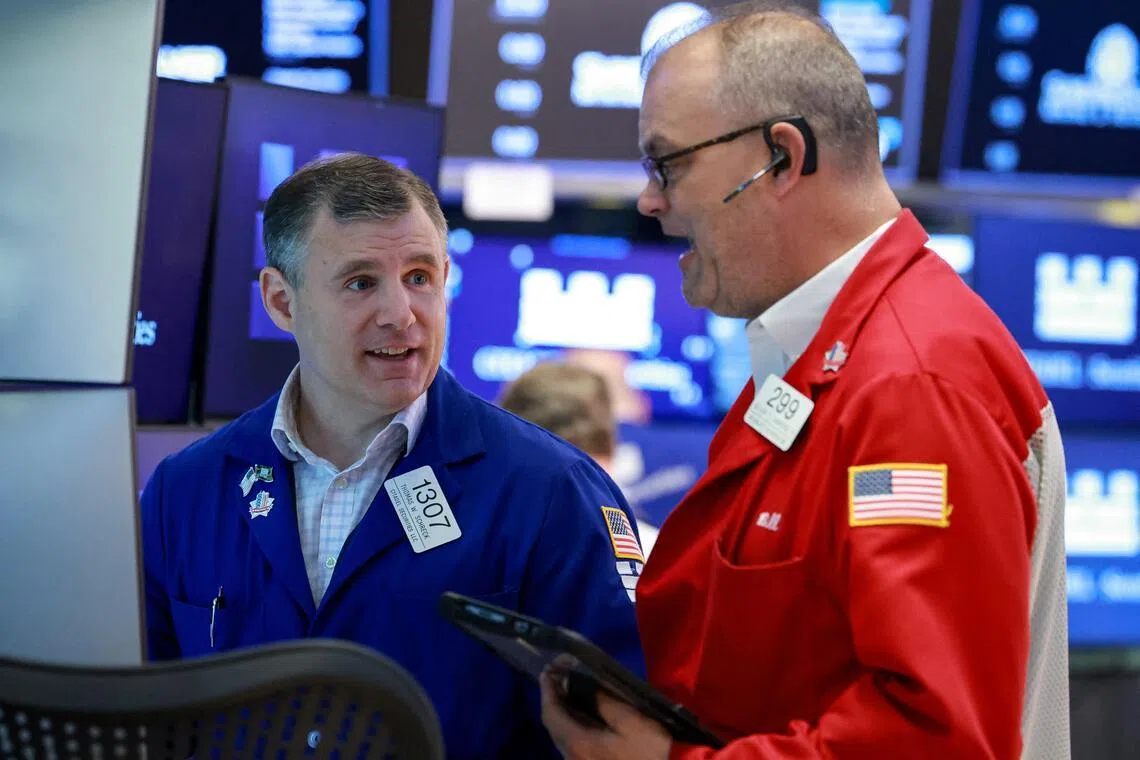
Wall Street ends sharply lower as chips slide, jobs data fuels rate hike fears
Wall Street’s extended winning streak came to a definitive halt on June 5, as a surge in technology stocks reversed course, leading to the largest daily decline for the sector in 2026. The downturn followed the release of a robust May jobs report, which significantly dampened investor enthusiasm and sparked concerns regarding potential shifts in Federal Reserve policy.
Market Sentiment Shifts
The S&P 500, which had enjoyed a nine-week run of Friday-to-Friday gains—its longest streak since December 2023—fell 199.64 points, or 2.63 percent, to close at 7,384.67. The tech-heavy Nasdaq Composite saw its largest one-day percentage loss since 2025, dropping 1,117.38 points, or 4.16 percent, to 25,713.58. The Dow Jones Industrial Average also retreated, losing 684.53 points, or 1.33 percent, to finish at 50,877.40.
“After the record run we’ve seen the last nine weeks in equities, specifically tech and semiconductors, the dam just broke today,” said Ryan Detrick, chief market strategist at Carson Group in Omaha. He noted that the stronger-than-expected jobs report creates a difficult environment for the Federal Reserve regarding interest rate cuts for the remainder of the year.
Economic Data and Geopolitical Pressures
The US Labour Department reported that the economy added 172,000 jobs in May, a figure more than double analyst expectations, while the unemployment rate remained steady at 4.3 percent. While this indicates economic health, it has effectively curtailed expectations for near-term interest rate cuts. According to the CME’s FedWatch tool, financial markets are increasingly pricing in the possibility of a rate increase at the conclusion of the Fed’s December meeting.

Geopolitical tensions also weighed on the markets. Fading hopes for a resolution to the conflict in the Middle East and the potential closure of the Strait of Hormuz have raised fears that energy price pressures could lead to systemic inflation. Fighting continues despite three truces negotiated by the administration of US President Donald Trump.
Corporate Performance and Index Adjustments
Selling was widespread among major technology firms, including Nvidia, Intel, Micron, AMD, and Broadcom. Outside of the tech sector, Lululemon Athletica shares slumped following a downward revision to the company’s annual profit forecast. Conversely, Cooper Companies saw gains after beating estimates for second-quarter results.
In the broader market, S&P Global has confirmed it will not change eligibility requirements for its major indexes. This decision effectively precludes the immediate inclusion of Elon Musk’s SpaceX in the S&P 500 following its anticipated initial public offering. Meanwhile, chipmaker Marvell Technology remains a contender for addition to the benchmark index during the upcoming rebalancing.
Frequently Asked Questions
Why did the stock market decline on June 5?
The decline was driven by a hotter-than-expected May jobs report, which led investors to fear that the Federal Reserve will be unable to cut interest rates this year. High-performing tech and semiconductor stocks experienced a sell-off as investors adjusted positions following a nine-week winning streak.
What is the status of the S&P 500 index eligibility for new companies?
S&P Global has stated it will not change its eligibility requirements. This means SpaceX will not be eligible for a swift entry into the S&P 500 benchmark index upon its public offering.
How are geopolitical tensions impacting market outlooks?
Fears regarding the conflict in the Middle East and the potential for restricted traffic through the Strait of Hormuz are contributing to concerns that energy costs could drive wider, systemic inflation.
How do you believe the Federal Reserve’s upcoming interest rate decisions will influence your investment strategy for the remainder of the year?