

Wall Street Slides as Fed Holds Rates Steady Under Kevin Warsh
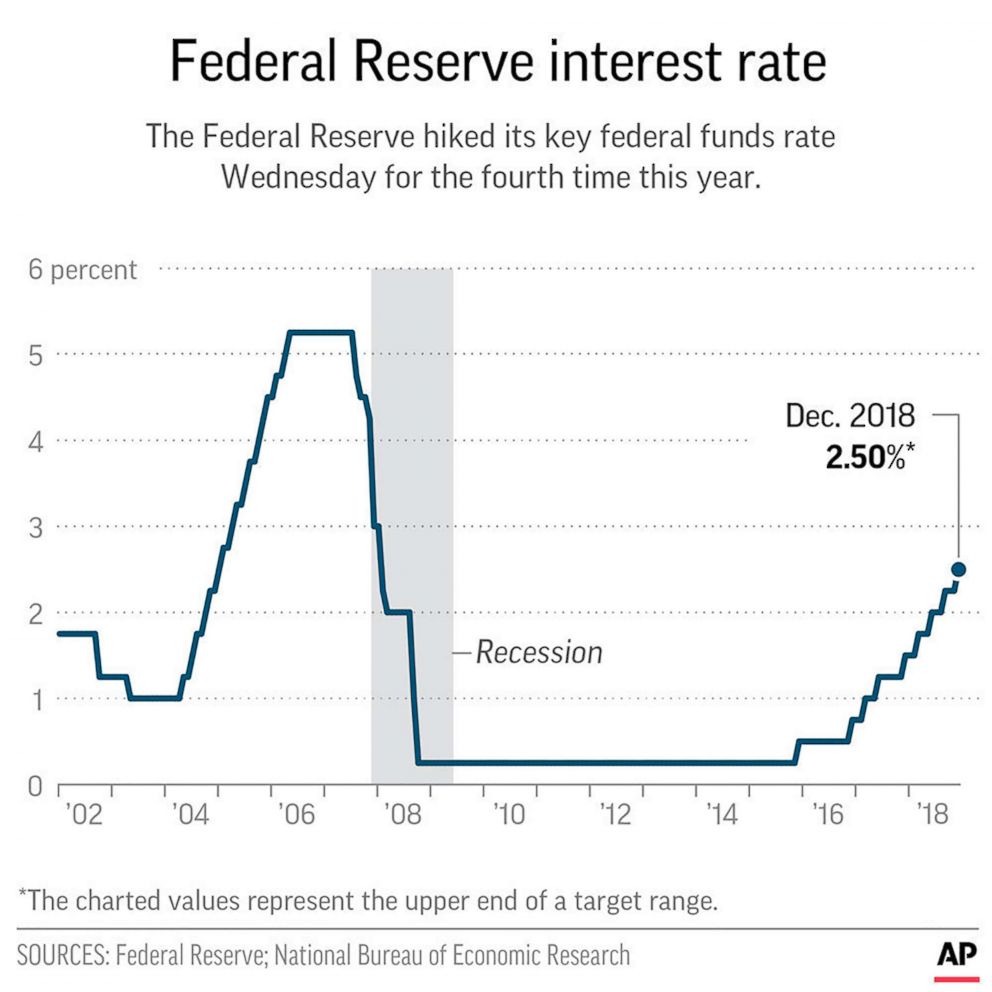
Wall Street indices retreated on Wednesday as the Federal Reserve maintained interest rates between 3.5% and 3.75% during Kevin Warsh’s first meeting as chairman. The Dow Jones Industrial Average dropped 0.98%, or 507 points, to close at 51,492. Concurrently, the S&P 500 fell 1.21% to 7,420, and the Nasdaq Composite declined 1.34% to reach 26,021.
The decision to hold rates steady was unanimous among the Board of Governors, despite a 4.2% year-over-year inflation rate recorded in May. President Donald Trump had previously nominated Warsh with the expectation of fostering more flexible monetary policies, following Warsh’s public criticism of his predecessor, Jerome Powell.
The Federal Reserve’s decision to maintain the current interest rate range followed a unanimous vote by the Board of Governors, notwithstanding an annual inflation rate of 4.2% for the month of May.
Market Projections and Interest Rate Outlook
The prospect of future rate hikes gained momentum following the release of the Federal Reserve’s quarterly economic projections. According to the report, only one of the 18 members supports a rate decrease. In contrast, three members advocate for raising rates between 3.75% and 4% by year-end, while five members favor pushing rates above 4% during 2026.
Investors also reacted to individual stock movements, as SpaceX shares fell 4.95% after experiencing several days of gains following its public market debut. Meanwhile, the yield on the 10-year Treasury note increased by 5.4 basis points to 4.499%, reflecting shifts in investor sentiment regarding the central bank’s long-term policy path.
Samantha Carter notes that the market’s negative reaction suggests investors were pricing in a more dovish pivot under new leadership. The Fed’s internal projections indicate a significant divide, with a majority of members eyeing potential rate hikes rather than the flexibility markets initially anticipated, creating a disconnect between policy signals and investor expectations.
Geopolitical Impacts on Energy and Commodities
Commodity markets showed varied responses to international developments, specifically a new agreement between the United States and Iran. The Texas intermediate oil (WTI) rose 1% to $76.79 per barrel as the pact effectively ended hostilities and unlocked the Strait of Hormuz. However, President Trump cautioned that the text is not definitive and warned that if Tehran “does not behave,” the U.S. would resume military action.
Safe-haven assets saw a decline as risk appetites shifted. Gold dropped 2.22% to $4,257 per ounce, and silver fell 3.83% to $67.33 per ounce. Analysts suggest the combination of stabilized oil supplies and the Federal Reserve’s hawkish leanings could continue to put pressure on precious metals in the coming weeks.
Frequently Asked Questions
Why did the stock market fall on Wednesday?
The market declined following the Federal Reserve’s decision to hold interest rates steady and the publication of projections showing that most members favor maintaining or increasing rates rather than cutting them.
What is the status of the agreement between the U.S. and Iran?
The agreement puts an end to the war and unlocks the Strait of Hormuz, although negotiations regarding Iran’s nuclear program remain pending. President Trump has stated the agreement is not final and remains conditional on Iran’s behavior.
How many Federal Reserve members support a rate hike?
According to the quarterly economic projections, eight of the 18 members support raising rates, with five of those favoring an increase above 4% for 2026.
How will the Federal Reserve’s clear preference for higher rates influence consumer borrowing costs in the coming months?