
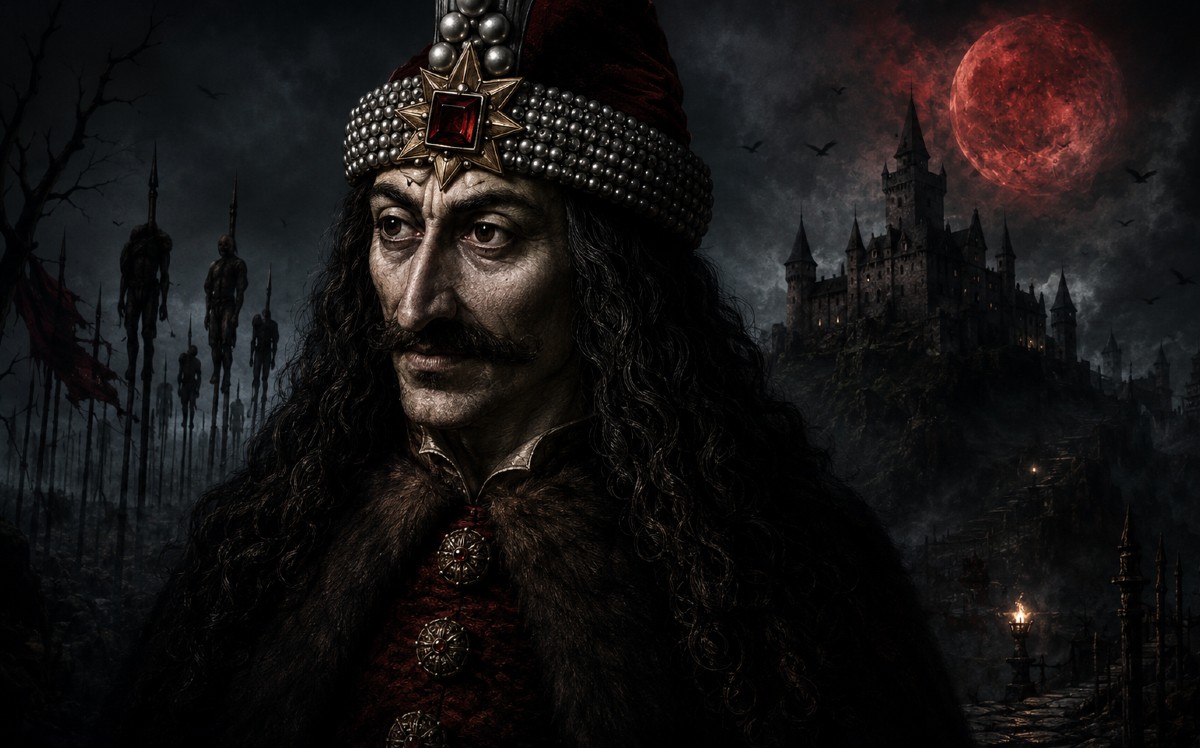
Was Dracula Vegan? The Surprising Truth About Vlad the Impaler
Recent biological analyses have revealed a startling paradox regarding the man who inspired the world’s most famous vampire. While Vlad III of Wallachia is eternally linked to blood and horror, scientific evidence suggests his actual physiological reality was far different.
The Science of Blood and Botany
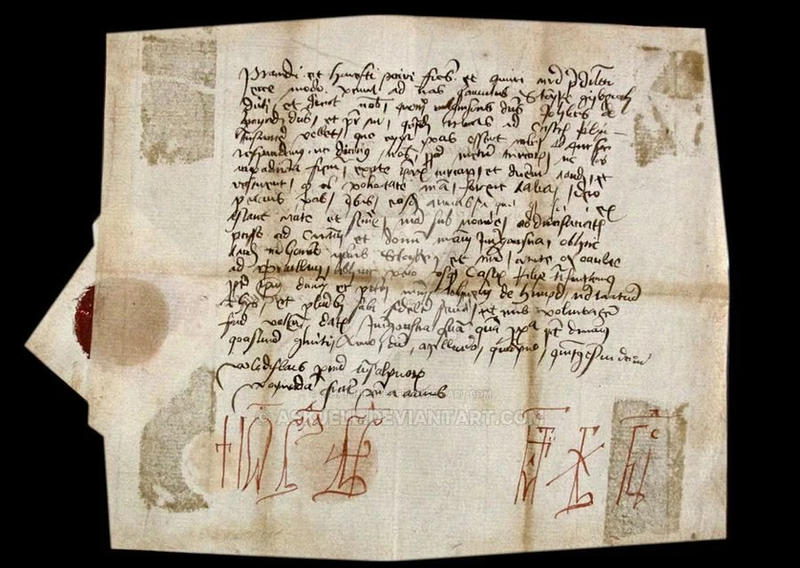
In 2023, Italian researchers conducted a study on proteins and biological traces found in ancient handwritten letters attributed to Vlad Tepes. Using modern techniques, scientists detected microscopic compounds left by human contact, including sweat, and tears.
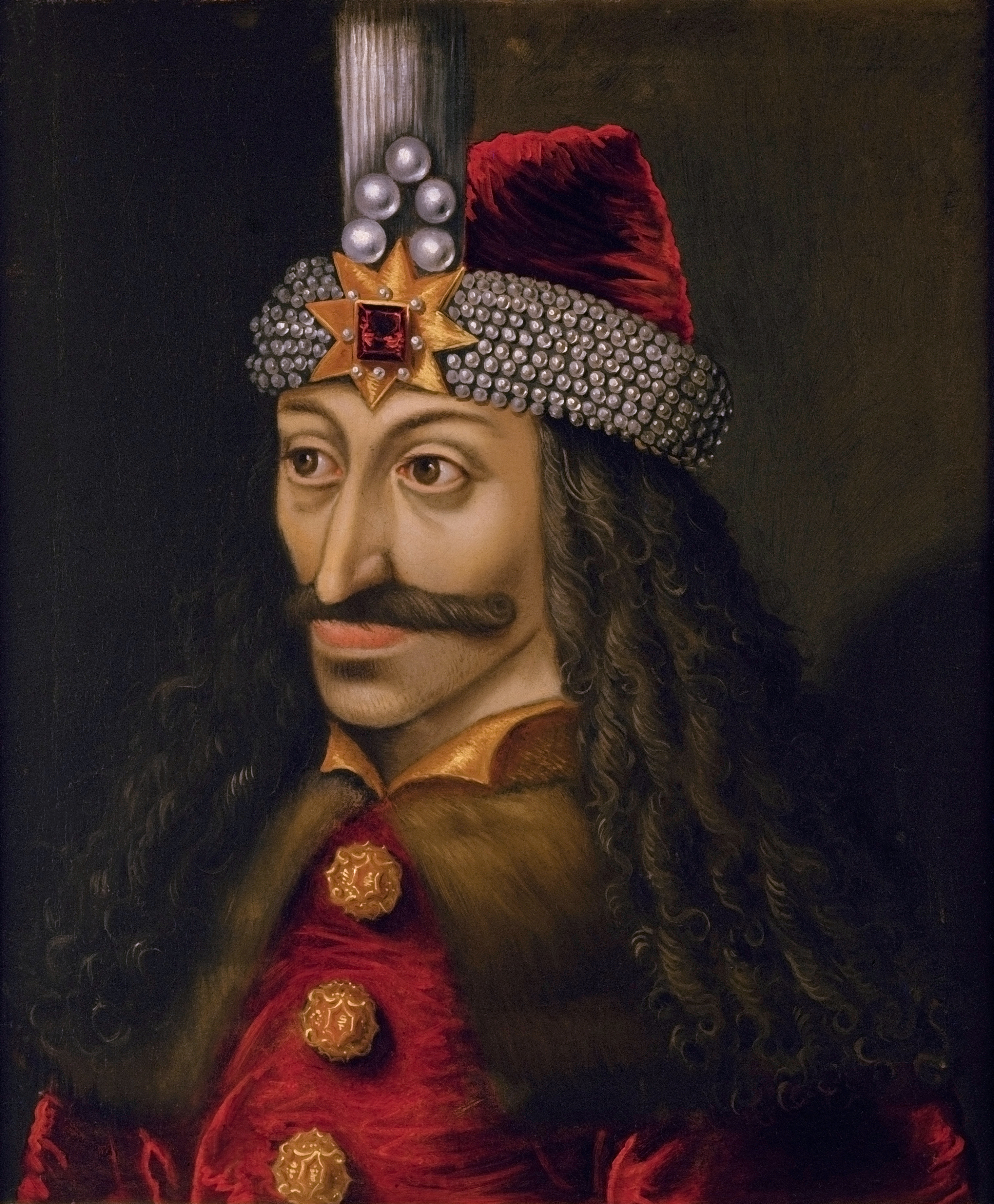
The findings revealed signals compatible with hemolacria, an extremely rare medical condition where tears are mixed with blood. This discovery adds a visceral, biological layer to the legend of the man who would become the face of gothic horror.
Beyond the tears, the study identified markers of a predominantly plant-based diet. Researchers found evidence that Vlad may have consumed very little animal protein during his final years, potentially due to health issues or the food conditions of the era.
While it would be anachronistic to label him a “vegan” in the modern sense, the irony is significant. The figure who became a global symbol for the consumption of blood may have lived on a diet based primarily on vegetables.
From Historical Ruler to Cultural Icon
Born in 1431 in Transylvania, Vlad III ruled Wallachia during a period of intense medieval conflict. He utilized extreme terror as a political tool, most notably through the practice of impalement to intimidate enemies and the Ottoman Empire.
This reputation for cruelty was amplified by early European pamphlets, which acted as a form of medieval propaganda. While some accounts were likely exaggerated by rivals, historical records confirm the violent nature of his governance.
The transition from history to myth occurred in 1897 when Bram Stoker published his novel, Dracula. Stoker fused the prince’s name with Balkan superstitions to create an eternal aristocrat driven by blood and desire.
The Legacy of an Unfound Grave
Vlad Tepes was killed in 1476, likely due to internal betrayals. Since his death, the location of his remains has remained one of Eastern Europe’s greatest mysteries.

Theories suggest he may have been buried in a monastery north of Bucharest or in the southern region of Romania. Some accounts even claim his head was sent to the Ottoman sultan in Constantinople.
Because no definitive tomb has been found, the figure of Vlad Tepes has transitioned from a mortal ruler into a cultural ghost. In the 20th century, the regime of Nicolae Ceaușescu further commercialized this myth to boost tourism in Romania.
Future Implications of Forensic History
The use of protein analysis on ancient documents could lead to more discoveries about the physical health of historical figures. Future studies may analyse other manuscripts to determine if hemolacria was a chronic condition for Vlad III.
further biological testing could provide clues regarding the specific health problems that may have influenced his plant-based diet. Advanced forensic mapping could potentially narrow down the search for his missing remains.
Frequently Asked Questions
What medical condition did the 2023 study suggest Vlad Tepes had?
The study found signals compatible with hemolacria, a rare condition that causes tears to be mixed with blood.
Was the real Dracula a vegan?
The study found evidence of a predominantly plant-based diet with very little animal protein in his final years, though researchers note it is anachronistic to use the modern term “vegan.”
How did the name “Dracula” originate?
It came from the Order of the Dragon, a military and religious organization his father, Vlad II Dracul, belonged to; the name means “son of the Dragon.”
Do you think scientific discoveries can ever fully separate a historical person from the myths created about them?