

What is PSSD? Woman, 23, said stopping SSRIs caused sexual dysfunction
Selective serotonin reuptake inhibitors, or SSRIs, are a common class of antidepressants often favored by healthcare providers because they typically present fewer and milder side effects than other options. For millions of Americans, these medications are vital tools in managing depression, anxiety, and obsessive-compulsive disorder. However, a growing conversation surrounding the “overmedicalization” of mental health has brought attention to a condition known as post-SSRI sexual dysfunction, or PSSD.
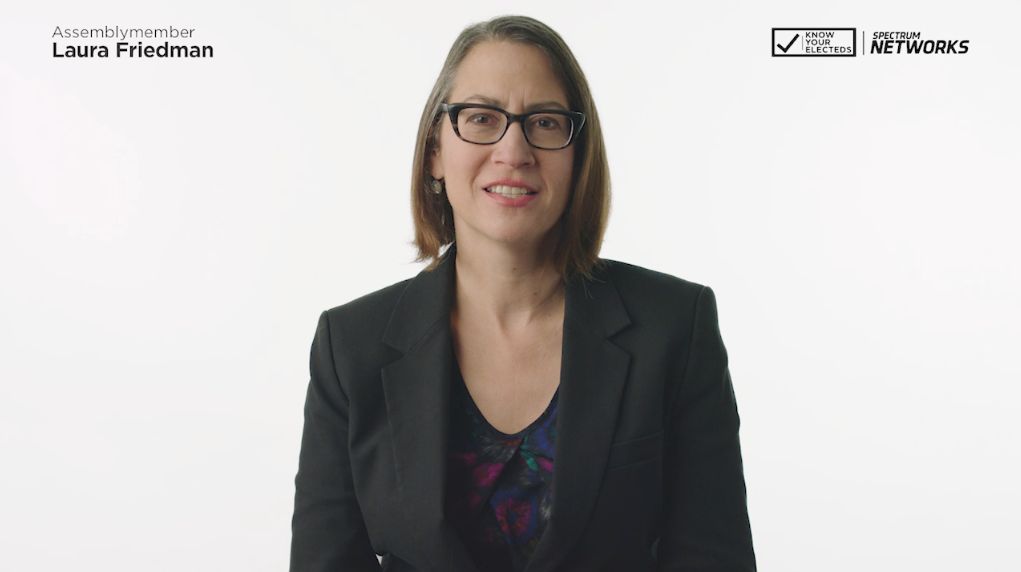
At a recent event hosted by the MAHA Institute, individuals like 23-year-old Laura Friedman shared experiences of persistent sexual and emotional dysfunction that continued even after they stopped taking their medication. While SSRIs remain a life-changing intervention for many, these accounts highlight a complex tension between the accessibility of psychiatric care and the need for greater awareness regarding long-term, unintended side effects.
The Complexity of PSSD
PSSD is characterized by the emergence or persistence of sexual dysfunction—such as genital numbness or difficulty achieving orgasm—following the use of SSRIs. Unlike typical drug-related side effects that resolve when a patient stops the medication, some individuals report that these symptoms persist or even intensify after cessation.
Dr. Kenneth Peters, chief of urology at Corewell Health, notes that clinicians have observed patients struggling with more than just sexual health, including changes in bladder and bowel function and a loss of emotional connection. While some previously attributed these shifts to the underlying mood disorders for which the drugs were prescribed, research from figures like Dr. Irwin Goldstein suggests that some patients experience physiological changes, including nerve function and tissue damage.
Navigating the Future of Mental Health Care
The current landscape of mental health treatment is undergoing a period of scrutiny. With reports indicating that the monthly antidepressant dispensing rate for young people increased by 66.3% between early 2016 and late 2022, advocates are increasingly calling for a broader focus on non-medication alternatives, including psychotherapy and lifestyle modifications like exercise and improved sleep hygiene.
Looking ahead, the medical community may prioritize efforts to identify patients who are at a higher risk of developing PSSD before they begin treatment. Because current research is largely patient-funded, obtaining federal grants to conduct formal, large-scale studies could be a critical next step in understanding the prevalence and biological mechanisms of the condition. While experts emphasize that they do not want to eliminate access to potentially life-saving medication, the push for more transparent risk communication between doctors and patients is likely to grow.
Frequently Asked Questions
What is PSSD?
Post-SSRI sexual dysfunction is defined by the emergence or persistence of sexual dysfunction, such as genital numbness or difficulty reaching orgasm, following the use of SSRIs. It can also include emotional blunting and physical symptoms like bladder or bowel dysfunction.
Is there a cure for PSSD?
Currently, there is no official treatment for PSSD. While some symptoms may subside over time for some patients, others report that the condition can last a lifetime.
How common is this condition?
Estimates are difficult to determine, though some experts suggest that those who develop PSSD represent a small percentage of the one in six Americans currently taking an SSRI. Figures ranging from 1% to 4% have been discussed, though further research is required for accuracy.
How has the conversation around mental health medication influenced your perspective on modern treatment approaches?