
What is Starfall? A look at SpaceX’s mysterious new return capsule
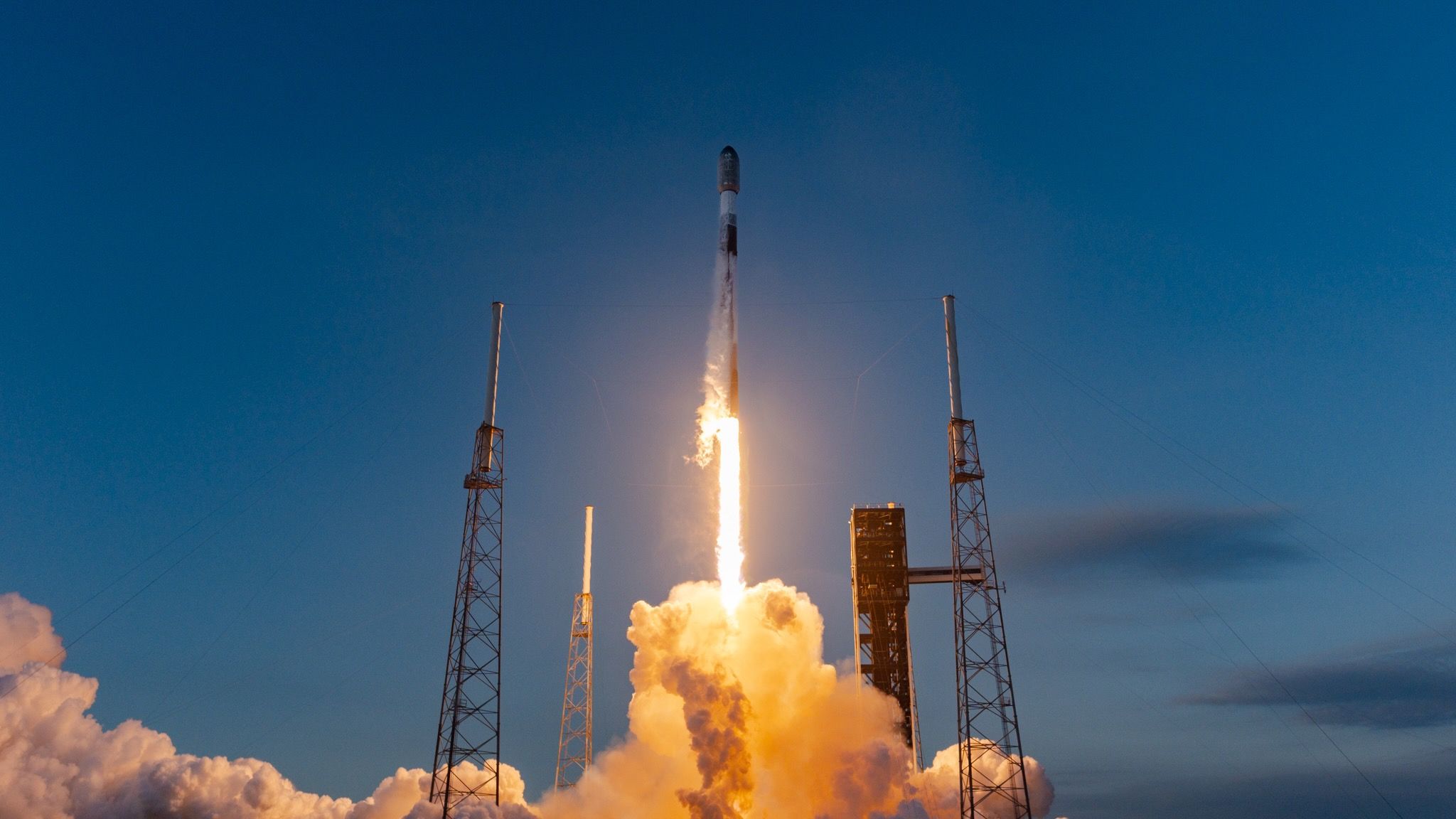
SpaceX launched the Starfall return capsule on June 23 atop a Falcon 9 rocket to test its ability to survive atmospheric reentry. According to an FAA environmental assessment, the disk-shaped vehicle is designed for affordable microgravity research and in-space manufacturing, enabling the safe return of cargo from orbit without the need for a crew.
What is the SpaceX Starfall capsule?
Starfall is a specialized cargo return vehicle designed to ferry scientific research and manufactured goods from space back to Earth. According to a U.S. Federal Aviation Administration (FAA) environmental assessment, the vehicle is a disk-shaped craft standing 2.5 feet (0.75 meters) tall with a diameter of 10.2 feet (3.1 meters).
The capsule weighs approximately 4,600 pounds (2,100 kilograms) and can carry a payload of about 2,200 pounds (1,000 kilograms). It consists of two primary components: a 3,090-pound aluminum top plate and a detachable carbon-fiber heat shield.
How does Starfall compare to the Dragon capsule?
Starfall is significantly smaller and more specialized than the Dragon capsule used for International Space Station (ISS) missions. While Dragon stands 14.7 feet tall and can bring 6,600 pounds of cargo back to Earth, Starfall is only 2.5 feet tall with a return capacity of 2,200 pounds, according to SpaceX specifications and FAA documents.
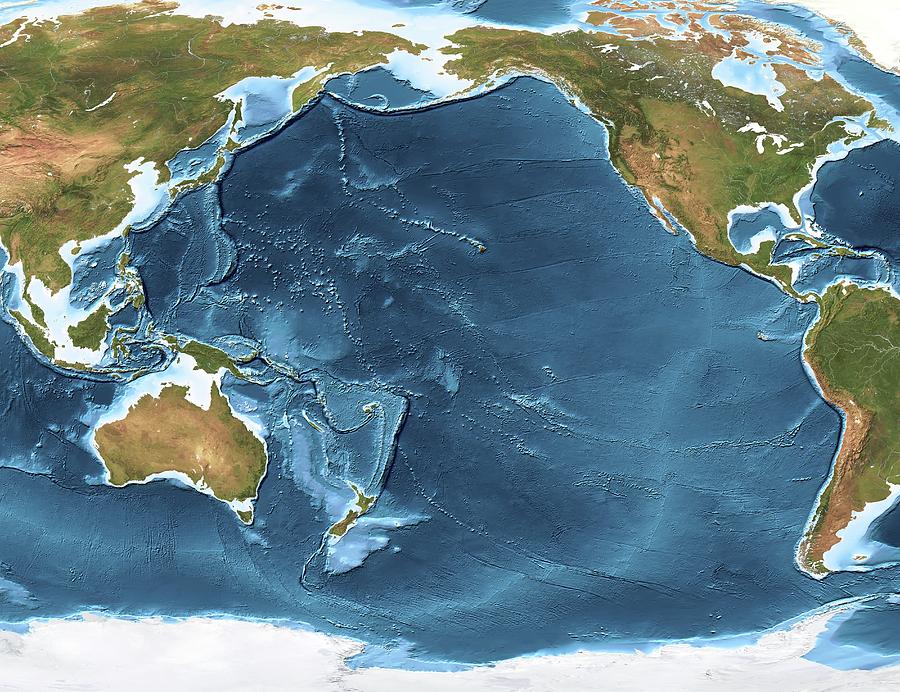
The two vehicles serve different purposes. Dragon is a crewed spacecraft capable of complex orbital maneuvers. Starfall is an uncrewed “return-as-a-service” vehicle. It cannot de-orbit itself and instead follows a pre-planned trajectory to splash down in the Pacific Ocean via parachutes, roughly 700 nautical miles off the U.S. West Coast.
Quick Comparison: Starfall vs. Dragon
| Feature | Starfall | Dragon |
|---|---|---|
| Height | 2.5 ft | 14.7 ft |
| Payload Return | ~2,200 lbs | ~6,600 lbs |
| Crew Capability | No | Yes |
Why is SpaceX entering the in-space manufacturing market?
SpaceX aims to create a self-sustaining commercial market for manufacturing in microgravity and vacuum environments. According to the FAA, the company intends to use Starfall for “point-to-point delivery of critical cargo through space on rapid timelines.”
This shift reflects a broader industry trend toward using orbit as a factory. High-value goods, such as specialized pharmaceuticals, often form more perfect crystals or structures in microgravity than they do on Earth. By providing a routine, scalable way to bring these products back, SpaceX leverages its launch dominance—highlighted by the 165 Falcon 9 flights recorded in 2025—to lower the cost of orbital logistics.
Who are the main competitors for orbital return?
SpaceX isn’t the only company building “mini-factories” and return capsules. Two California-based firms are currently pursuing similar goals with different scales of operation.
- Varda Space: This company has already launched and landed five “W-series” spacecraft. These are smaller than Starfall, weighing about 650 pounds (300 kg).
- Outpost Space: Outpost is developing the “CarryAll” line, which targets much larger payloads. According to the company’s website, the CarryAll Block 3 could return up to 22,000 pounds (10,000 kg) with a landing accuracy within 80 feet of a target.
Frequently Asked Questions
Can Starfall carry people?
No. According to the FAA, Starfall is strictly a cargo vehicle and is not capable of carrying astronauts.

How does Starfall land on Earth?
It uses a carbon-fiber heat shield to survive reentry and then deploys parachutes for a splashdown in the Pacific Ocean, where recovery boats collect the craft.
What is the primary purpose of Starfall?
SpaceX stated via X that the vehicle will enable affordable, routine access to microgravity for scientific research and in-space manufacturing.
What do you think about the move toward orbital factories? Will space-made medicine become common in the next decade? Let us know in the comments or subscribe to our newsletter for more updates on the new space economy.