

Whey Protein Shortage: Why Prices Are Skyrocketing
Whey protein prices have hit record highs as global demand outpaces supply, according to Ever.Ag Insights. In the U.S., 80% whey protein concentrate now trades at over $13 per pound, a 250% increase from last year, driven by a surge in protein-enriched foods and the rise of GLP-1 weight-loss medications.
Why are whey protein prices hitting record highs?
Consumer demand for protein in everyday foods like bagels, tortillas, and cereals has strained the dairy industry. NielsenIQ reports that the average U.S. supermarket now carries 38,708 products that highlight their protein content.
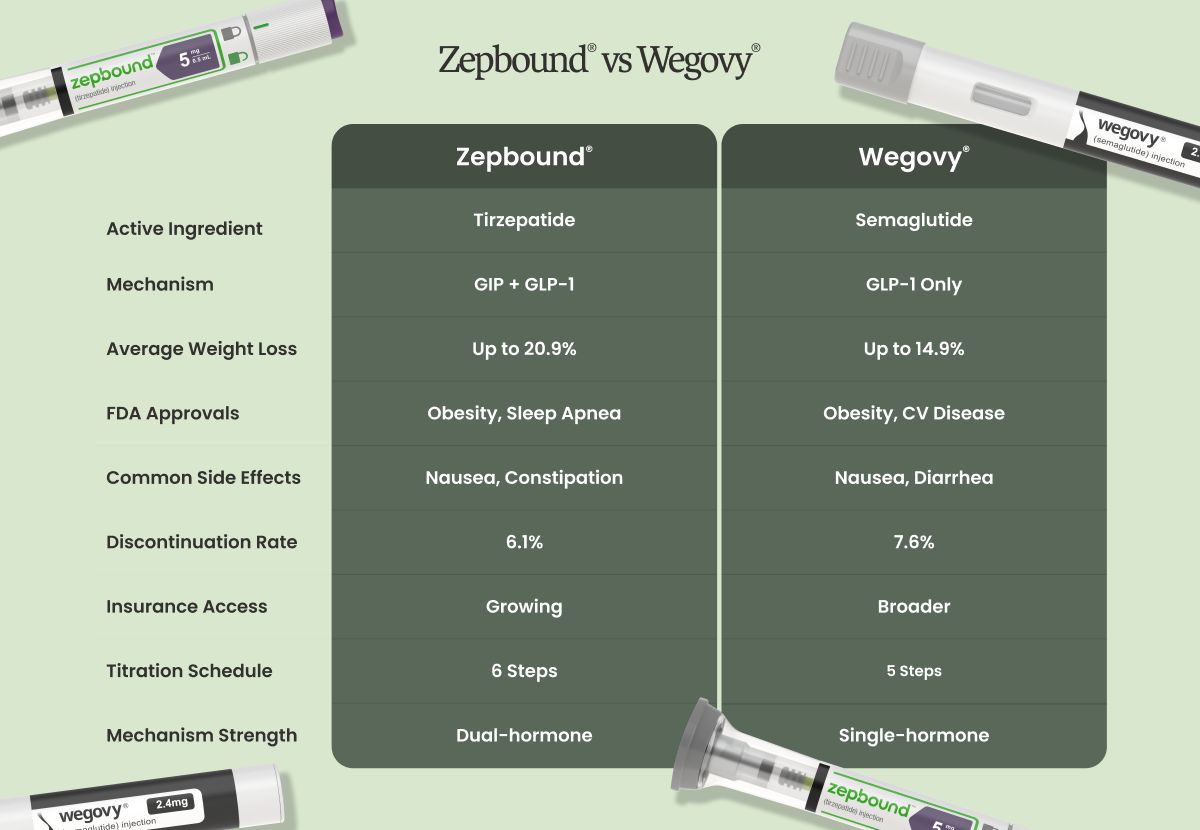
The rise of GLP-1 weight-loss drugs, including Wegovy and Zepbound, has further accelerated this demand. Experts advise users of these appetite-suppressing medications to consume more protein to maintain muscle mass and feel full longer.
Morgan Stanley estimates that 6% of obese and diabetic patients in the U.S. and 2% globally used GLP-1 drugs last year, though some estimates suggest usage reaches 12% of the total U.S. adult population.
How is the global supply chain shifting?
U.S. producers are prioritizing domestic needs over international trade. Vesper, an Amsterdam-based firm, reports that U.S. exports of whey protein isolate and 80% concentrate to China dropped 47% between January and April compared to the previous year.

Jasper Endlich, a dairy analyst at Vesper, stated that exports were suspended as much as possible because there isn’t enough product for American customers. This has forced China to seek more supplies from Europe, which is also facing shortages.
European markets are seeing similar spikes. DCA Market Intelligence reports that 80% whey protein concentrate reached a record average of $30,518 per metric ton in May, more than double the price from a year prior.
When will the protein shortage end?
Industry investment is increasing, but relief may not arrive quickly. Glanbia announced plans in November to expand whey protein isolate production in New Mexico, but that capacity won’t be available until 2027.
Canadian dairy company Agropur also announced in February that it intends to boost production across plants in Wisconsin, South Dakota, Nova Scotia, and Quebec.
Some manufacturers are already changing their product lines to manage costs. Bryan Morin of Now Foods said the company is considering expanding its portfolio to include milk protein concentrate, which is cheaper and contains less whey than traditional concentrates.
Kathleen Wolfley of Ever.Ag suggests that rising retail prices could eventually lower demand, which may reduce wholesale shortages. However, she noted that she is unsure if this improvement will happen tomorrow or in a year.
Comparison of U.S. Wholesale Price Increases
- 80% Whey Protein Concentrate: Increased 250% over last year (Source: Ever.Ag).
- Whey Protein Isolate: Increased 150% over last year (Source: Ever.Ag).
- Retail Concentrate Powder: Increased approximately 15% over the last year (Source: Datasembly).
Frequently Asked Questions
What is the difference between whey concentrate and isolate?
According to Ever.Ag, 80% whey concentrate is commonly used by food manufacturers and supplement companies, while whey protein isolate is a more refined version containing at least 90% protein.

Why are GLP-1 drugs affecting protein prices?
Users of medications like Wegovy and Zepbound are often advised to increase protein intake to preserve muscle mass and maintain satiety while losing weight, which increases demand for protein-rich foods and supplements.
Why can’t the industry just produce more whey?
Whey is a by-product of cheese making. While companies like Glanbia and Agropur are investing in new capacity, these facilities take time to build; for example, Glanbia’s New Mexico expansion will not be ready until 2027.
Do you check the protein content of your everyday groceries, or do you rely on supplements?