

Why Chicago Is Not Hosting the 2026 FIFA World Cup
Chicago will not host any matches during the 2026 FIFA World Cup, according to ABC7 Chicago. City leadership previously rejected FIFA’s requirements for stadium modifications, including a demand for a dome over Soldier Field that former Mayor Rahm Emanuel stated would cost taxpayers hundreds of millions of dollars.
Why is Chicago not hosting the 2026 World Cup?
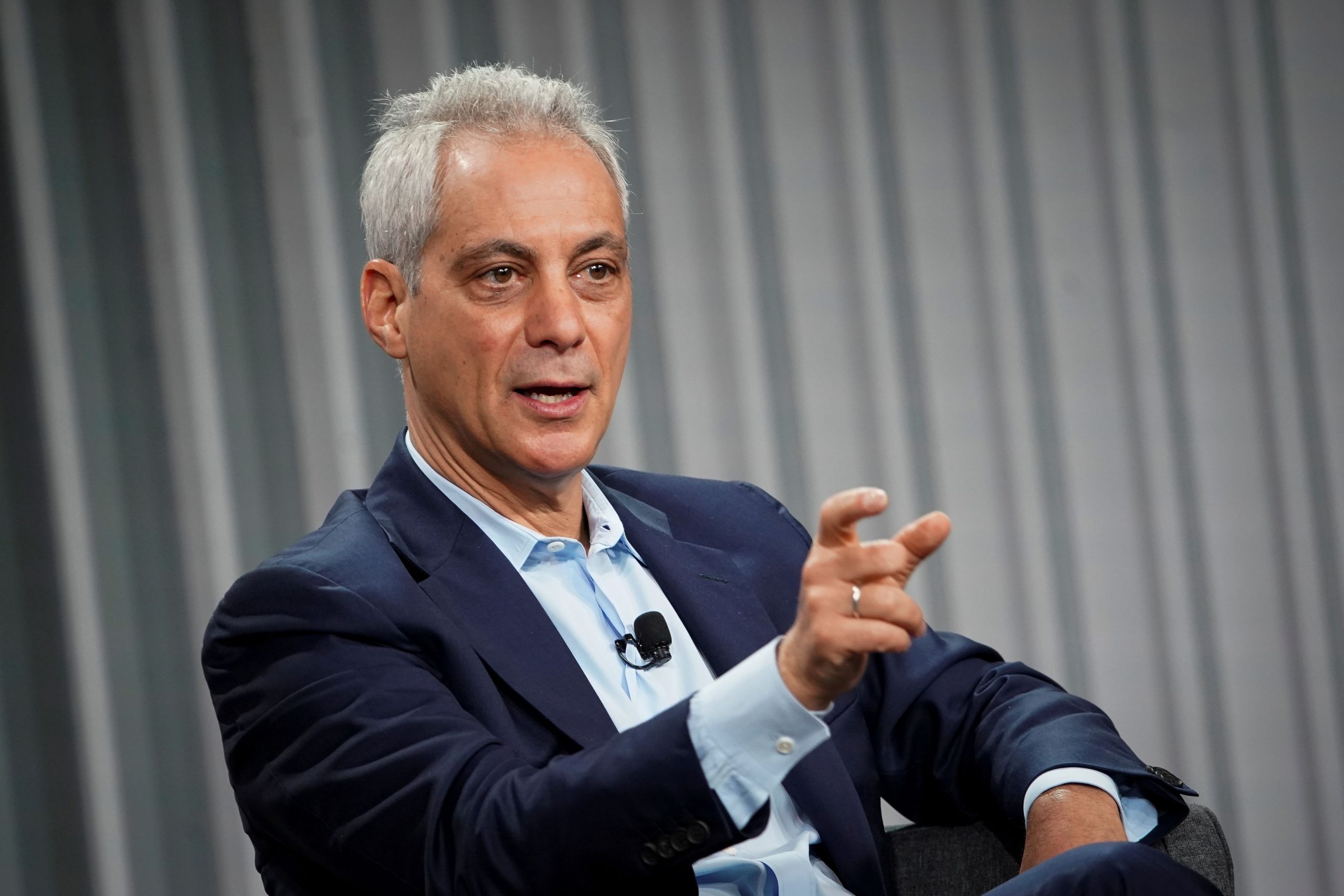
The decision stems from disputes over stadium infrastructure and financial liability. Former Mayor Rahm Emanuel told the Athletic that FIFA’s demand for a dome over Soldier Field led him to reject hosting the 2018 World Cup.

“You expect me to treat the Chicago taxpayers as the dumb money at the table,” Emanuel said. He noted that the city would have had no vote in a decision that left taxpayers exposed to massive costs.
Kara Bachman, Executive Director of the Chicago Sports Commission, described FIFA’s requirements as “egregious and unfair.” Bachman stated in a release that the city made an intentional decision not to continue with FIFA due to these demands.
How is soccer growing in Chicago despite the snub?
Local interest in the sport is rising, evidenced by a recent sold-out U.S.-Germany match at Soldier Field. Austin Carr, President of Intentional Sports, said such events create a “flywheel effect” that encourages more children to play.
Carr reported that his facility’s after-school programming grew from zero to over 500 children in just over four years. Additionally, Intentional Sports collaborated with Abbott to hold tryouts for nearly 200 West Side youth for opportunities to play overseas.
Javi Lopez stated that these opportunities are “opening doors that haven’t been opened before.” Carr believes focusing on a cohesive local ecosystem is the correct investment for the city’s youth.
What may happen next for soccer in the city?
City sports advocates may continue to build local infrastructure to attract future international events. There is a stated hope among local leaders that Chicago could host a World Cup match again in the future.
Further expansion of youth programming is likely to continue as the sport’s popularity surges. This growth could potentially make the city a more viable candidate for future bids if FIFA’s hosting requirements change.
Frequently Asked Questions
Why did Chicago decline to host FIFA matches?
According to former Mayor Rahm Emanuel and the Chicago Sports Commission, FIFA made “egregious and unfair” demands, including a requirement for a dome over Soldier Field that would have cost taxpayers hundreds of millions of dollars.
When was the last time Chicago hosted a World Cup game?
The city last hosted a World Cup game in 1994.
How has youth soccer participation changed in Chicago?
Intentional Sports President Austin Carr reported that their after-school programming grew from zero to over 500 children in slightly more than four years.
Do you believe the long-term financial risk of stadium mandates outweighs the economic benefits of hosting a global sporting event?