

Why Disclosure Day proves Steven Spielberg still has it
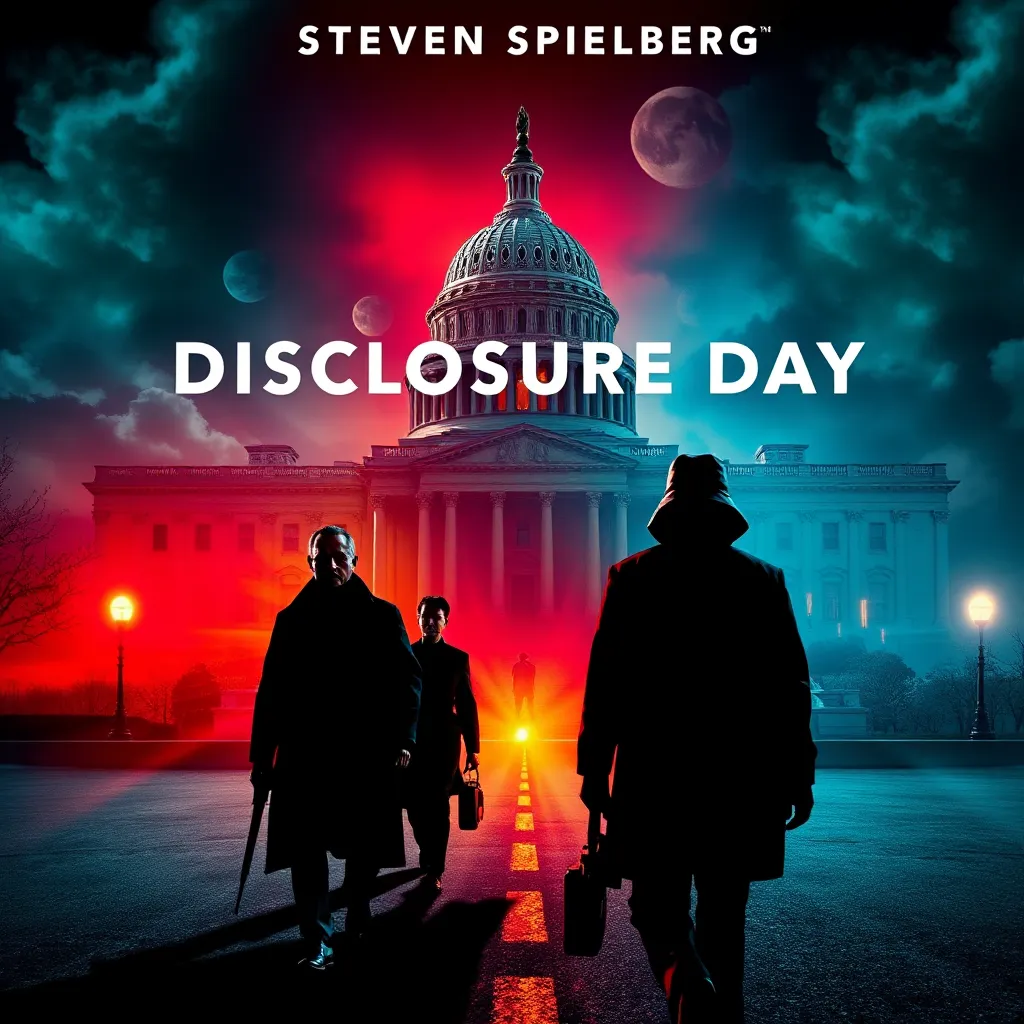
Steven Spielberg has returned to the science fiction genre with his latest feature, Disclosure Day, a film that serves as a spiritual successor to his earlier work in the UFO subgenre. The director, who defined the modern blockbuster with titles like Jaws and Close Encounters of the Third Kind, aims to avoid repeating his past successes by positioning this release as a tense, philosophical thriller rather than a spectacle-heavy special effects film.
How Disclosure Day Fits Into Spielberg’s Career
Disclosure Day functions as an unofficial third entry in Spielberg’s exploration of extraterrestrial themes, following the massive success of E.T. the Extra-Terrestrial and Close Encounters of the Third Kind. Unlike those predecessors, the film focuses on a grounded narrative involving car chases and train smashes, deliberately moving away from the large-scale spectacle that characterized his earlier sci-fi blockbusters. According to the director, his approach to casting involves instructing actors to disregard his previous filmography entirely, focusing instead on the specific demands of the current project.
Why Spielberg’s Return to Sci-Fi Matters
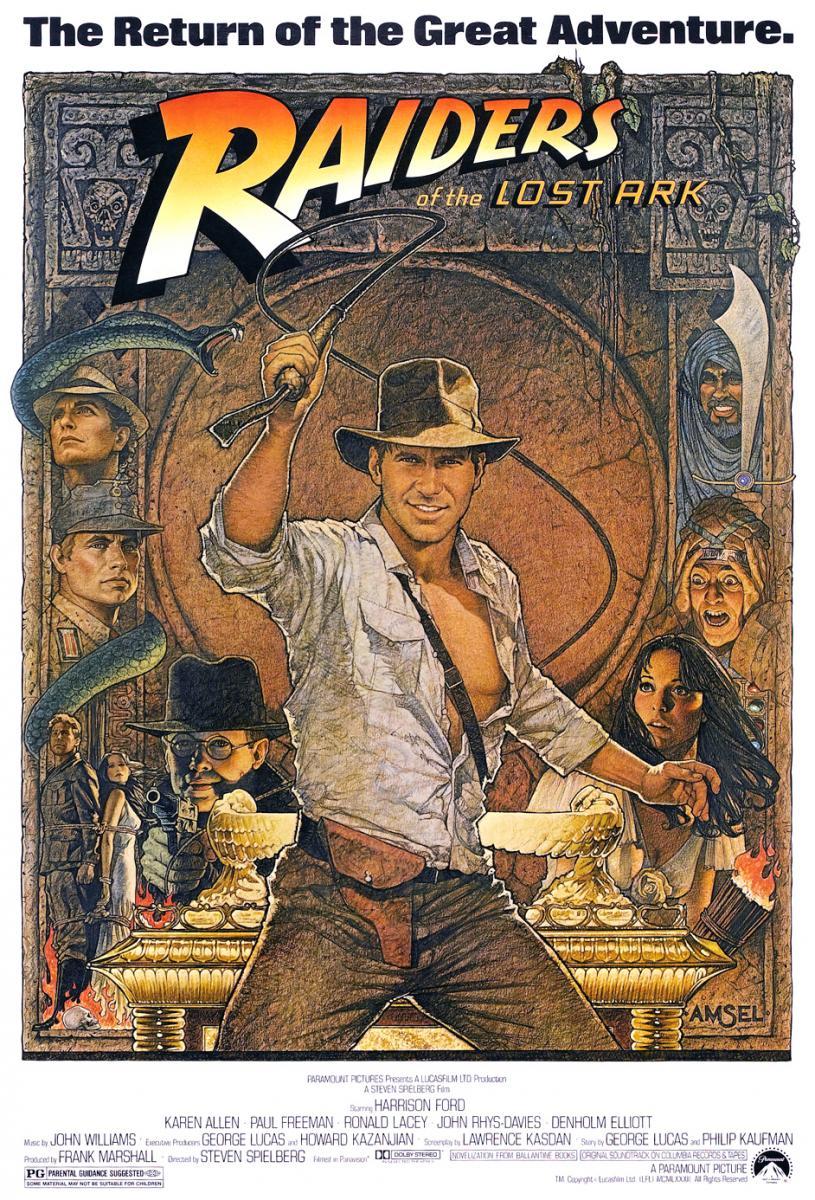
The significance of Spielberg’s career trajectory lies in his ability to shift industry standards. In the 1970s, his films—specifically Jaws and Close Encounters—transformed science fiction from a perceived “second-rate” B-movie genre into a viable, high-profit blockbuster landscape. This success pressured studio heads to monitor box office performance with unprecedented intensity. Furthermore, Spielberg’s historical transition into the 1980s was marked by a need to prove his reliability to Hollywood, leading him to accept the directing role on Raiders of the Lost Ark to demonstrate his ability to deliver projects on time and within budget.
What May Happen Next for the Director
Analysts and audiences are observing how Disclosure Day performs as a 70mm film print release at the Irish Film Institute. Given the director’s history of “two-for-one” production methods—such as filming Minority Report back-to-back with A.I.: Artificial Intelligence—industry observers may look for signs of whether he intends to continue exploring philosophical science fiction themes or shift back to historical drama. The film’s reception could influence how future audiences interpret his legacy, particularly as he continues to balance his status as a household name with his desire to avoid self-repetition.
Frequently Asked Questions
Is Disclosure Day a sequel to E.T. or Close Encounters?
No, it is described as a spiritual sequel or a topper to an unofficial UFO trilogy, but it is not a direct continuation of those stories.
What is the primary focus of Disclosure Day?
The film is primarily a thriller that emphasizes car chases, train smashes, and philosophical themes regarding alien technology, rather than relying on giant special effects spectacles.
Why did Spielberg accept the job for Raiders of the Lost Ark?
He accepted the offer to prove to the film industry that he could deliver a movie on time and on budget following the delays and budget overruns of his previous films, Jaws, Close Encounters, and 1941.
How do you think Spielberg’s legacy will be viewed by future generations of moviegoers?