
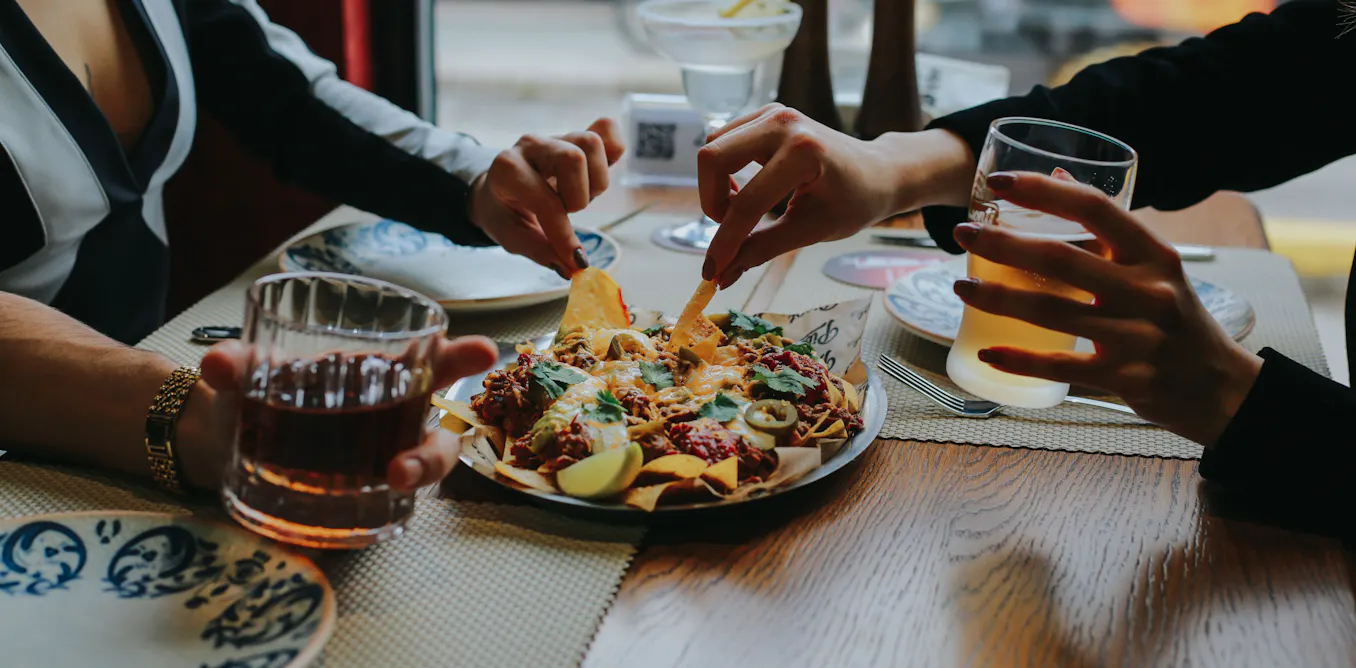
Why drinking alcohol makes you reach for chips and nachos
Alcohol consumption triggers a biological drive for protein by stimulating the hormone FGF21, according to a study of 9,337 Australian adults. This “aperitif effect” often leads to the consumption of “protein decoys”—ultra-processed foods that mimic savory flavors but lack actual protein, potentially increasing total energy intake.
Why does alcohol make you crave savory foods?
Drinking alcohol causes the liver to release a hormone called FGF21. According to researchers, this hormone signals the brain to seek out protein-rich, savory foods while avoiding sweet options.

Scientists refer to this as the “aperitif effect.” It explains why many cultures pair alcoholic drinks with food to enhance the pleasure of eating.
What are “protein decoys” and how do they affect weight?
Not all savory foods satisfy the body’s biological needs. Researchers identified “protein decoys” as ultra-processed foods—such as chips, pizzas, hot dogs, and savory crackers—that use added flavorings to mimic protein.
These foods provide energy-rich fats and carbohydrates instead of actual protein. Because they lack the necessary nutrients, the body may trigger a mechanism called “protein leverage,” where a person eats more to satisfy a protein target.
The study found that when people chose whole proteins like poultry, pulses, or lean meat while drinking, their calorie intake didn’t rise. However, those who ate protein decoys saw higher energy intakes, which could increase the risk of weight gain.
How was the Australian study conducted?
Researchers used mechanistic ecological modelling to analyze the interaction between FGF21, alcohol, and appetite. They tested this model using daily dietary records from 9,337 adults part of the Australian Adult Health Survey.
About one-third of the participants reported drinking alcohol on the day of the survey. This method allowed researchers to see how physiological mechanisms influence real-world behavior outside of a lab.
What may happen next for those who drink regularly?
Individuals who recognize savory cravings as a biological need for protein may be able to avoid the “alcohol-junk food trap.” Choosing roasted chickpeas, eggs, seafood, or lean cold meats could satisfy the FGF21-induced hunger without the calorie spike found in processed foods.
If dietary habits don’t shift away from protein decoys, drinkers may continue to experience an insatiable appetite for junk food, which is likely to contribute to sustained energy surpluses.
Frequently Asked Questions
Why do I want pizza or a kebab after drinking?
Alcohol stimulates the release of FGF21, creating a hunger for protein. If you’ve eaten “protein decoys” like salty chips earlier in the night, your body’s protein target remains unsatisfied, leaving room for more high-calorie foods.
What exactly is a protein decoy?
A protein decoy is an ultra-processed food that delivers the sensory cues of protein—like a savory taste—but actually consists mostly of fats and carbohydrates.
Does alcohol always lead to weight gain?
The study suggests energy intake varies by food choice. When paired with savory whole foods like lean meat or pulses, calorie intakes weren’t elevated despite the energy content of the alcohol.
Do you notice a specific craving for salty snacks when you have a glass of wine or beer?