
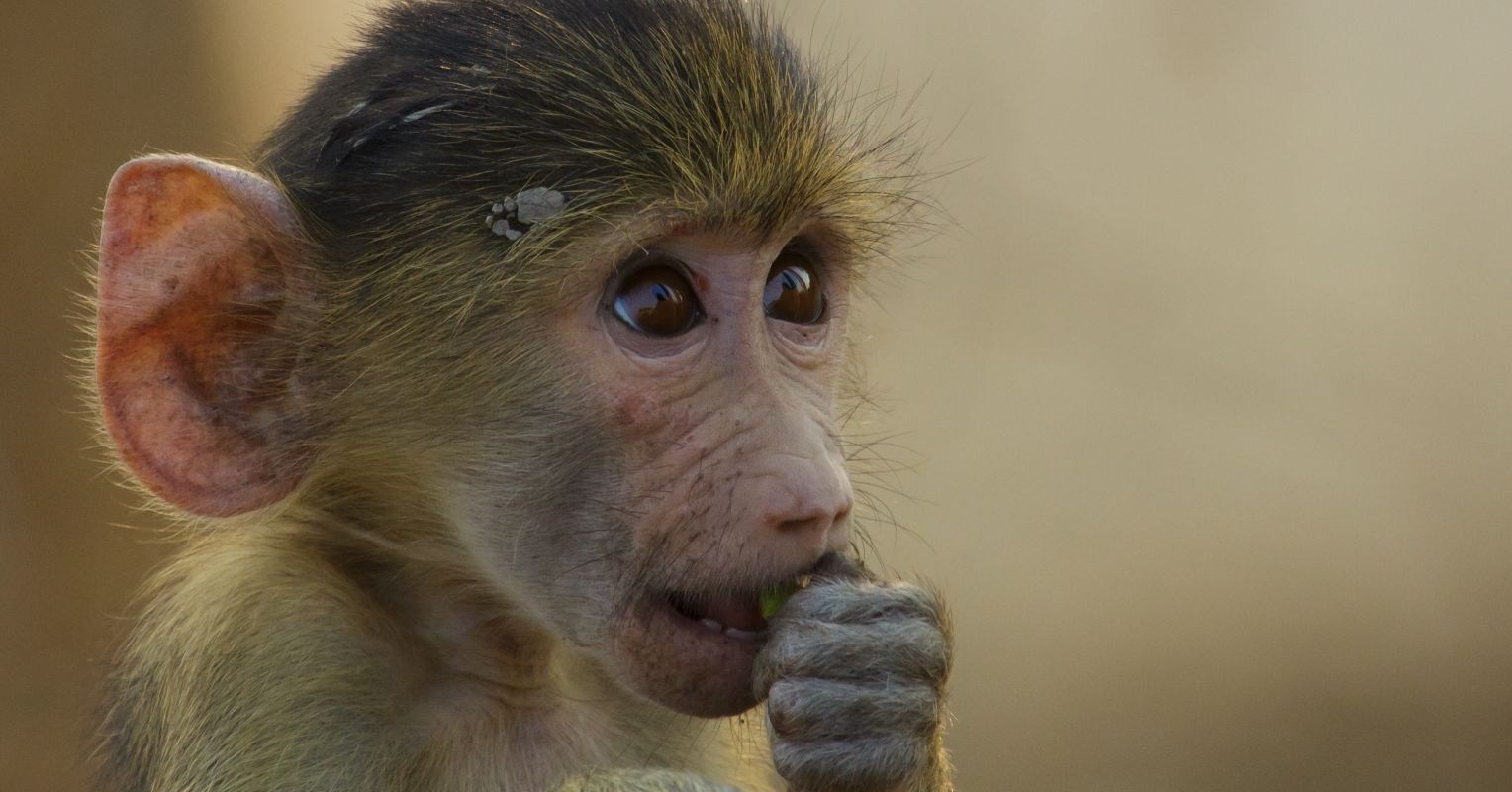
Why Friendship Feels Draining: How Early Adversity Shapes Social Connection
Early adversity, such as childhood loss or instability, reduces adult social connectivity and shortens lifespans, according to data from the Amboseli Baboon Research Project and evolutionary anthropologist Joan Silk. While these “early hits” impair social signaling and increase the “energetic cost” of friendship, strong adult social ties can partially buffer these negative biological outcomes.
Why does early adversity shorten lifespans?
Female baboons experiencing three or more sources of early adversity—such as drought or the loss of a mother—died roughly 10 years earlier than those with one or no adverse events, according to long-term research from the Amboseli Baboon Research Project in Kenya.
The reduced lifespan is driven largely by social isolation. According to Joan Silk, these females are less integrated into essential group activities like grooming and mutual support. This isolation registers at a molecular level; research on humans and parrots indicates that social disconnection leads to shorter telomeres, which are linked to cellular aging and death.
How does trauma change social signaling?
Early hardship alters the way individuals communicate safety and intent. In baboon populations, “quiet grunts” serve as signals of friendly intention, often used after conflict or when approaching infants. Joan Silk’s research shows that females with more early hardship use these grunts less frequently and are less effective at building stable relationships.
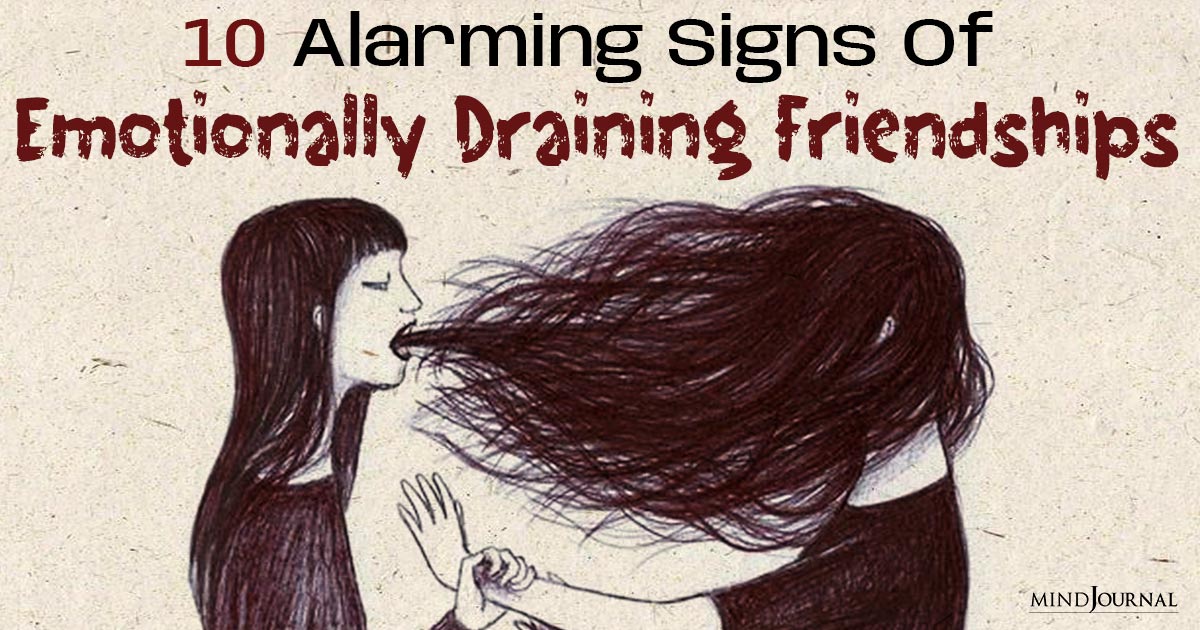
In humans, this manifests as a struggle with “positive bids”—small, friendly signals like a softening gesture, a specific tone of voice, or a quick check-in. For those with a history of bullying or unstable caregiving, the ability to send or read these signals is often diminished. This creates a cycle where the individuals who most need social support are the least equipped to cultivate it.
What is the “energetic cost” of friendship for survivors?
Friendship requires a significant investment of time and emotional energy to manage misunderstandings and reciprocity. For individuals with a stable early history, this process is relatively seamless. However, for those with a history of rejection, Joan Silk describes friendship as “energetically expensive.”
Every social interaction carries an additional cognitive “tax” characterized by hyper-vigilance. Survivors of early adversity often face recurring internal questions: “Is this worth it?” or “What happens if we argue?” This often results in social withdrawal, which observers may mistake for introversion or shyness, but is actually a nervous system response to manage overstimulation.
Can adult relationships “rescue” those with difficult starts?
Strong adult social ties can mitigate the biological damage caused by early adversity. Data from the Amboseli researchers suggests that while early hardship carries a permanent cost, individuals who form strong social bonds in adulthood fare better than similarly unlucky peers who remain isolated.
This suggests a shift in therapeutic trends toward “repair as a teachable skill.” Rather than urging clients to simply “be more social,” clinicians are encouraged to help patients practice low-intensity reconciliation signals—the human equivalent of the baboon’s grunt—to rebuild trust incrementally.
Comparison of Social Outcomes by Early Experience
| Early Experience | Social Signaling | Biological Impact |
|---|---|---|
| Low Adversity | Frequent, effective “peace” signals | Standard lifespan; stable telomeres |
| High Adversity | Reduced signaling; higher social cost | Shorter lifespan (up to 10 years less in baboons) |
Frequently Asked Questions
Is social withdrawal always a sign of trauma?
No. Some individuals are naturally introverted or socially cautious. However, when withdrawal is a response to stress or a fear of instability, it may be rooted in early adversity.

Can you “fix” the biological impact of early stress?
While early hits leave a mark, strong adult relationships act as a buffer, improving overall health and longevity compared to those who remain isolated.
What are “friendship signals” in humans?
These are low-stakes bids for connection, such as a friendly tone, a small check-in, or a softening of body language that signals “I come in peace.”
How does the Amboseli Baboon Research Project help humans?
By tracking animals from birth to death, the project provides a longitudinal look at how early environmental stressors physically and socially shape an individual over a lifetime.
Do you find that some friendships feel more “expensive” than others? Share your experience in the comments or subscribe to our newsletter for more insights into the biology of connection.