

Why Fructose Makes You Hungrier: The Science Behind Sugar and Brain Signaling
Recent research from the Monell Chemical Senses Center, published June 10 in the journal Neuron, suggests that the human brain processes fructose and glucose differently, impacting how effectively different sugars signal fullness. While both sugars provide four calories per gram, animal studies indicate that fructose is significantly less efficient at deactivating the brain’s “hunger switch,” potentially explaining why some individuals struggle to feel satisfied after consuming sugar-sweetened beverages.
Why Brains Respond Differently to Sugar
The hunger “switch” in the brain is controlled by AgRP neurons, which trigger the impulse to eat. According to the Monell Chemical Senses Center study, glucose successfully suppresses these neurons, effectively turning off the hunger signal. Conversely, fructose provides a much weaker inhibitory effect on these same neurons.
The difference lies in the biological signaling pathway. When fructose enters the small intestine, it triggers the release of the hormone PYY, which signals the brain via the vagus nerve. Researchers found this pathway to be significantly less efficient than the one utilized by glucose, meaning the brain may not receive a strong enough “fullness” signal even when the same amount of calories is consumed.
Did You Know?
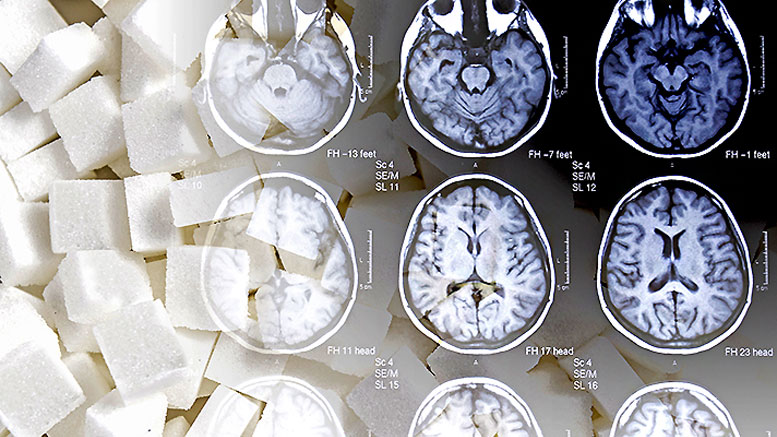
Did You Know? Research conducted by Yale University and published in the Journal of the American Medical Association (JAMA) in 2013 found that participants who consumed fructose-based drinks reported feeling less full than those who consumed glucose-based drinks, with brain scans showing that their appetite-regulating centers were not sufficiently suppressed.
The Impact of High-Fructose Corn Syrup
The study also examined mixtures of fructose and glucose, commonly found in high-fructose corn syrup or liquid fructose. Researchers observed that these mixtures were highly preferred by test subjects and suppressed AgRP neurons more effectively than pure fructose alone. This suggests that the appeal of processed foods and beverages containing these sweeteners cannot be attributed solely to a failure of satiety signals.
Experts suggest that the preference for these sweeteners may result from a combination of factors, including the intensity of the sweetness, the combined signaling of both sugars, and learned reward behaviors. Because these ingredients are widely used in products ranging from sodas and dressings to yogurt and bread, the way the brain processes these specific combinations may influence overall food preferences.
Expert Insight:
Expert Insight: Samantha Carter notes that the distinction between how the brain handles whole fruit versus processed juice is critical. When eating whole fruit, the presence of dietary fiber slows sugar absorption and the physical act of chewing contributes to satiety. When fruit is processed into juice, these natural “buffers” are removed, potentially leading to a more rapid intake of fructose that the brain’s hunger-regulating centers are not equipped to manage effectively.
Navigating the “No Added Sugar” Label
The term “no added sugar” on a product label does not mean the beverage is free of sugar. According to findings from the Korea Consumer Agency, some fruit-based beverages contain between 11.0g and 13.1g of sugar per 100mL, which is higher than the 10.8g found in an equivalent amount of cola.
Consumers are encouraged to check the ingredient list for terms such as “liquid fructose,” “high-fructose corn syrup,” “other fructose,” or “corn syrup.” Relying on front-of-package marketing can be misleading because natural sugars present in fruit contribute to the total sugar content, even if no refined sugar was added during manufacturing.
Frequently Asked Questions
Does “no added sugar” mean a drink has no sugar?
No. It only indicates that sugar was not added during the manufacturing process. The product may still contain significant levels of naturally occurring sugar from the fruit itself.
Why do I still feel hungry after drinking fruit juice?
The brain may not be receiving a strong enough signal of fullness. Research indicates that fructose, often found in juices, is less effective at suppressing the brain’s hunger-inducing AgRP neurons compared to glucose.
Are all sugars processed by the brain in the same way?
No. While fructose and glucose have the same caloric density, they utilize different signaling pathways to communicate with the brain, resulting in varying levels of satiety.
Have you ever considered how the form of your food—liquid versus solid—might be changing the way your brain signals hunger?