

Why I’m making a new buy recommendation for this mining stock
Rising tariffs and geopolitical tensions in the Middle East are driving up global costs while boosting the valuation of mining stocks. Hudbay Minerals Inc. has capitalized on this environment, reporting record first-quarter revenue of US$757.3 million driven by strong copper and gold exposure and strategic cost controls.
Why are U.S. tariffs and Middle East conflicts raising costs?
President Donald Trump recently moved to bypass a Supreme Court ruling by imposing duties of 10 to 12.5 per cent on countries accused of failing to ban imports made with forced labour. Canada is among the countries named in this action. The administration’s goal is to pressure offshore American companies to return to the U.S. and encourage foreign firms to build domestic facilities.
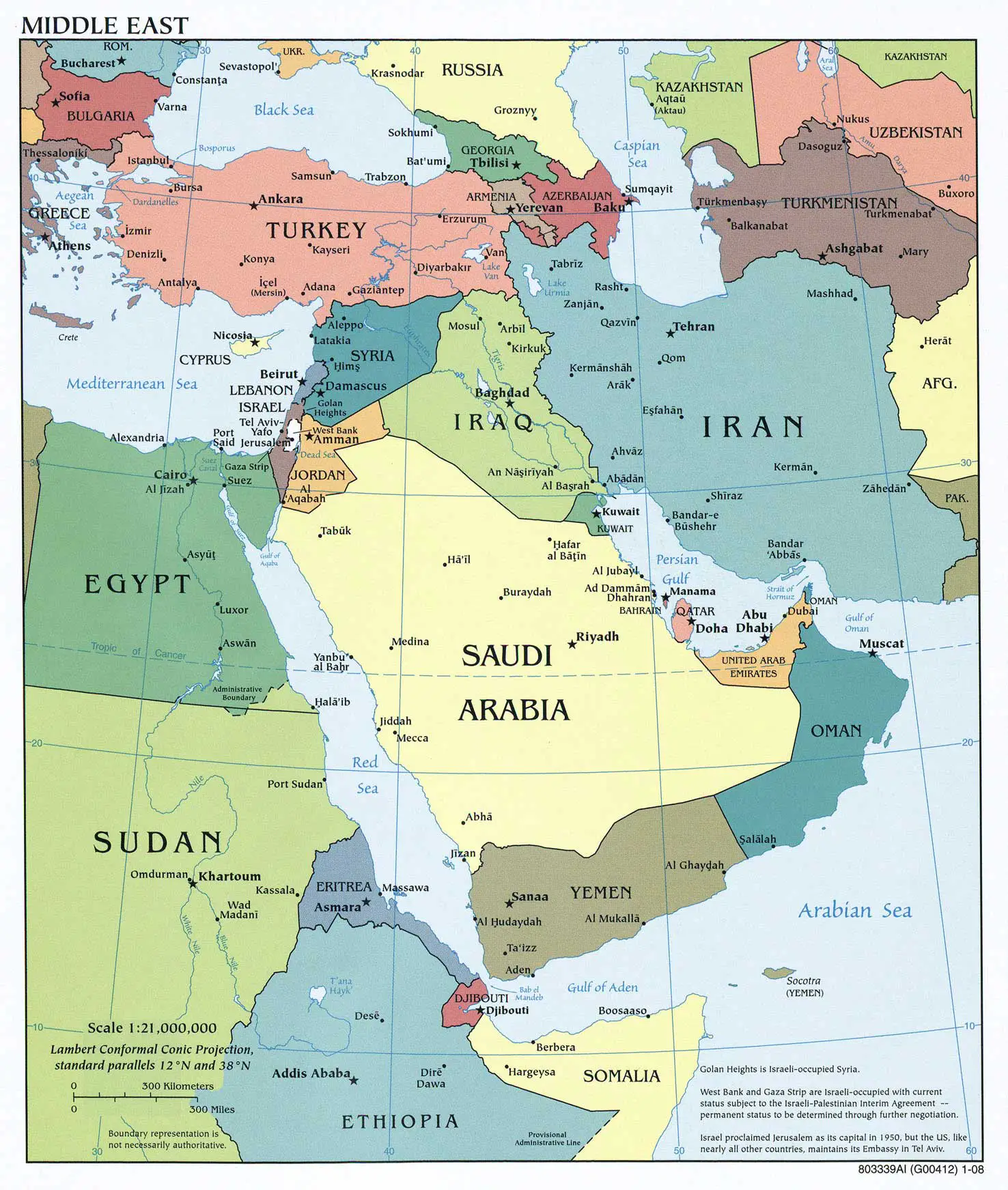
Simultaneously, the Iran war and the blockage of the Strait of Hormuz have disrupted the supply of fuel and critical minerals. This disruption has pushed aluminum prices toward four-year highs, reaching approximately US$3,600 per tonne, as several regional producers declared force majeure.
The shortage of sulfur, a vital ingredient in high-pressure acid-leach processing, has also squeezed margins for lead and zinc smelters. Many companies are passing these increased costs directly to consumers, making a wide range of products more expensive.
How is Hudbay Minerals performing in this market?
Hudbay Minerals Inc. (HBM-T), a Toronto-based diversified mining company, is focusing heavily on copper, which generates over 50 per cent of its total revenue. The company recently announced plans to buy Arizona Sonoran for $1.48 billion.
Financial results for the first quarter showed record adjusted net earnings and revenue of US$757.3 million. Net earnings reached US$191.5 million, or 48 US cents per share, with free cash flow totaling US$102.3 million. The company ended the quarter with more than US$1 billion in cash and cash equivalents.
Production levels remained in line with expectations, with consolidated gold production at 61,700 ounces and copper at 27,929 tonnes. CEO Peter Kukielski stated that leading operating cost performance resulted in record low consolidated cash costs.
Where does Hudbay operate?
The company maintains high-quality, long-life mines in mining-friendly regions. These include the Lalor mine in Manitoba, the Copper Mountain mine in British Columbia, and the Constancia mine in Peru. Hudbay currently stands as the third-largest copper producer in Canada.

What happens next for mining investments?
Mining stocks have already seen significant gains. Teck Resources (TECK-B-T) is up about 31 per cent so far in 2026, while Altius Minerals (ALS-T) has gained 36 per cent. The iShares North American Natural Resources ETF (IGE-A) has seen a year-to-date return of 19 per cent.
Hudbay stock, which closed at $41.63 on June 5, may continue to flourish as long as metals remain in short supply and demand stays high. However, the stock is trading near its all-time high of $44.48, which could increase risk for new investors.
Future performance is likely to depend on metal prices and exploration costs. Because the company does not pay a dividend, aggressive investors may view current pullbacks as an opportunity to buy the dip.
Frequently Asked Questions
What is the impact of the Strait of Hormuz blockage on minerals?
The blockage has disrupted supply chains and transportation, causing sulfuric acid prices to rise by up to 245 per cent and pushing aluminum prices to near four-year highs of around US$3,600 per tonne.
What are the primary risks associated with Hudbay Minerals?
Risks include volatility in metal prices, exploration and production costs, and the general state of the stock market, compounded by the fact that the stock is trading near its all-time high.
Why did the U.S. impose new duties on Canada?
The U.S. President imposed duties of 10 to 12.5 per cent on countries, including Canada, that were accused of not taking appropriate action to ban imports produced using forced labour.
Do you believe geopolitical instability in the Middle East will permanently shift the valuation of North American mining stocks?