
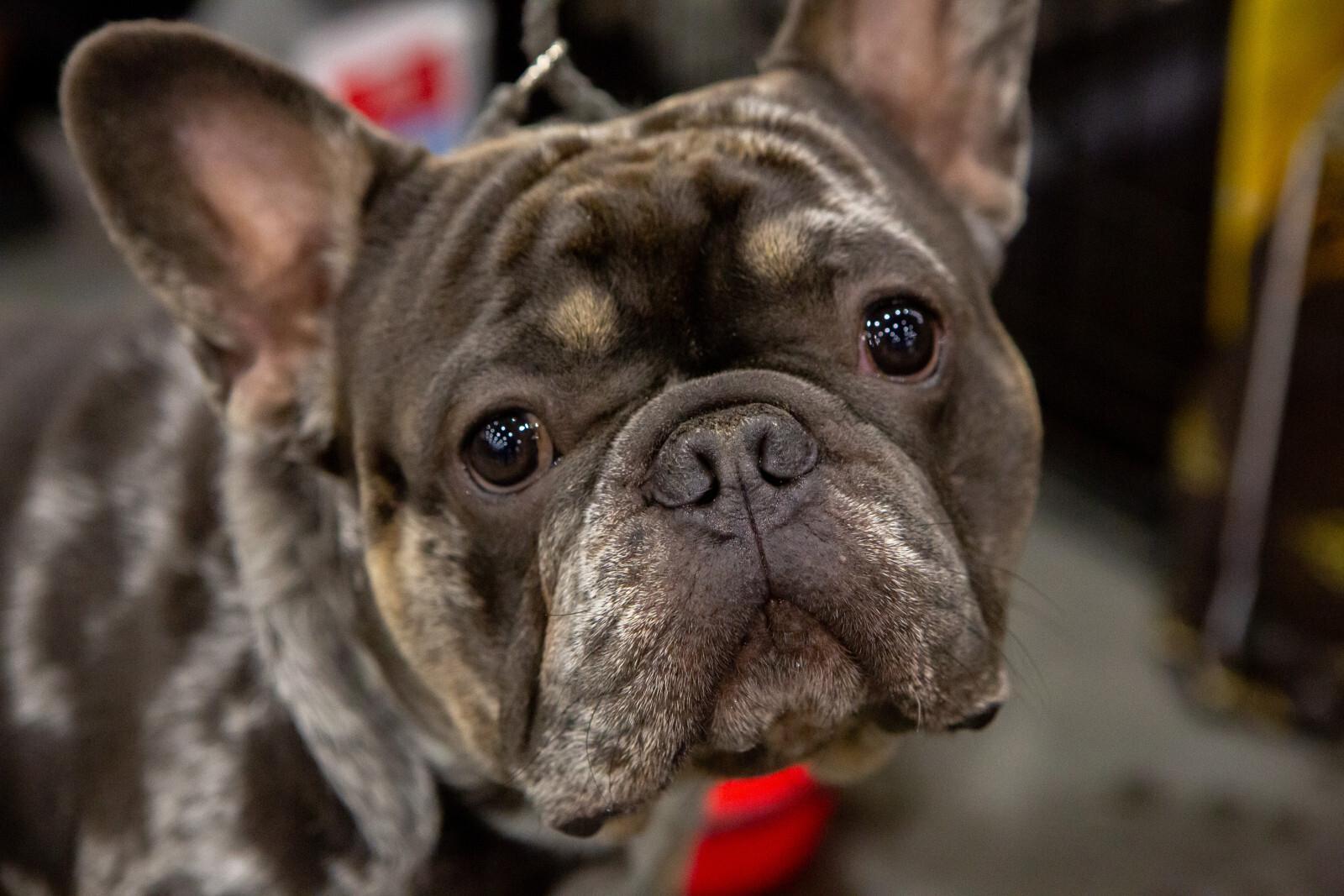
Why Is My Dog Shaking? Common Causes and When to See a Vet
When your dog begins to shake, your first instinct might be to reach for a blanket. However, according to Vladimir Golubev, president of the Russian Kynological Federation, a shivering pet is not always signaling a need for warmth. Understanding the difference between emotional excitement and underlying medical issues is essential for every pet owner.
Shaking can be a purely behavioral response to intense emotions. Dogs may tremble when they are afraid, such as during a visit to the veterinary clinic, or when they are overwhelmed by joy, like when anticipating a favourite treat or a long-awaited reunion. Frustration can also trigger this physical reaction.
Did You Know? Small dog breeds frequently experience tremors as a natural biological trait, due to their accelerated metabolism and elevated muscle tone, even when they are at rest.
When to Seek Veterinary Care
While emotional shivering is often a normal, temporary state, it can also be a red flag for serious health concerns. If a dog begins to tremble suddenly without an obvious emotional or environmental cause, owners should remain vigilant. Shaking can indicate physical pain, ranging from gastrointestinal distress to injuries or, in older dogs, the onset of arthritis.
Medical conditions such as hypoglycemia, viral or bacterial infections, poisoning, and neurological or endocrine disorders may also manifest as tremors. If the shaking is accompanied by symptoms like vomiting, an unsteady gait, or a refusal to eat, immediate professional veterinary intervention is necessary.
Expert Insight: The challenge for owners lies in distinguishing between a dog’s personality-driven quirks and genuine physiological distress. While it is tempting to attribute all shivering to cold weather, failing to monitor for secondary symptoms could delay critical diagnosis of internal conditions.
Managing Behavioral Tremors
If a veterinarian determines that a dog’s shivering is rooted in behavior rather than illness, owners can often manage the situation at home. Experts suggest that consistent training, which rewards calmness and provides adequate physical and mental stimulation, can help stabilize a dog’s emotional response.

It is also important to introduce pets to new environments, like car rides, in a gradual and controlled manner. However, if a dog struggles with extreme anxiety, reacts poorly to commands, or appears fearful of everything, it may suggest deeper issues such as poor socialization or separation anxiety. In such cases, a professional assessment remains the most reliable path forward.
Looking Ahead
As pet owners become more attuned to these nuances, those who monitor their animals for consistent, healthy behavior are likely to see better long-term outcomes. If owners continue to observe frequent, unexplained tremors, a possible next step is to maintain a detailed log of symptoms to assist a veterinarian in reaching an accurate diagnosis. Without intervention, behavioral issues like chronic frustration or anxiety may persist, but with patient socialization and proper activity, most dogs can learn to regulate their emotional responses effectively.
Frequently Asked Questions
Are small dogs more prone to shivering than larger breeds?
Yes. Small dogs often have a faster metabolism and higher muscle tone, which makes light trembling a normal occurrence for them, especially when they are excited.

At what temperature should I worry about my small dog being cold?
Small dogs can feel the cold at temperatures of 10 degrees Celsius and below, even if the weather feels mild to humans.
What should I do if my dog starts shaking suddenly?
If there is no obvious emotional or environmental reason for the shaking, you should monitor the dog for other symptoms. If the shivering is accompanied by vomiting, an unsteady gait, or loss of appetite, you should visit a veterinarian immediately.
How do you typically distinguish between your pet’s excitement and their need for comfort?