
Why Large Animals Are Surprisingly Thriving In The “Exclusion Zone” Of The Chernobyl Disaster
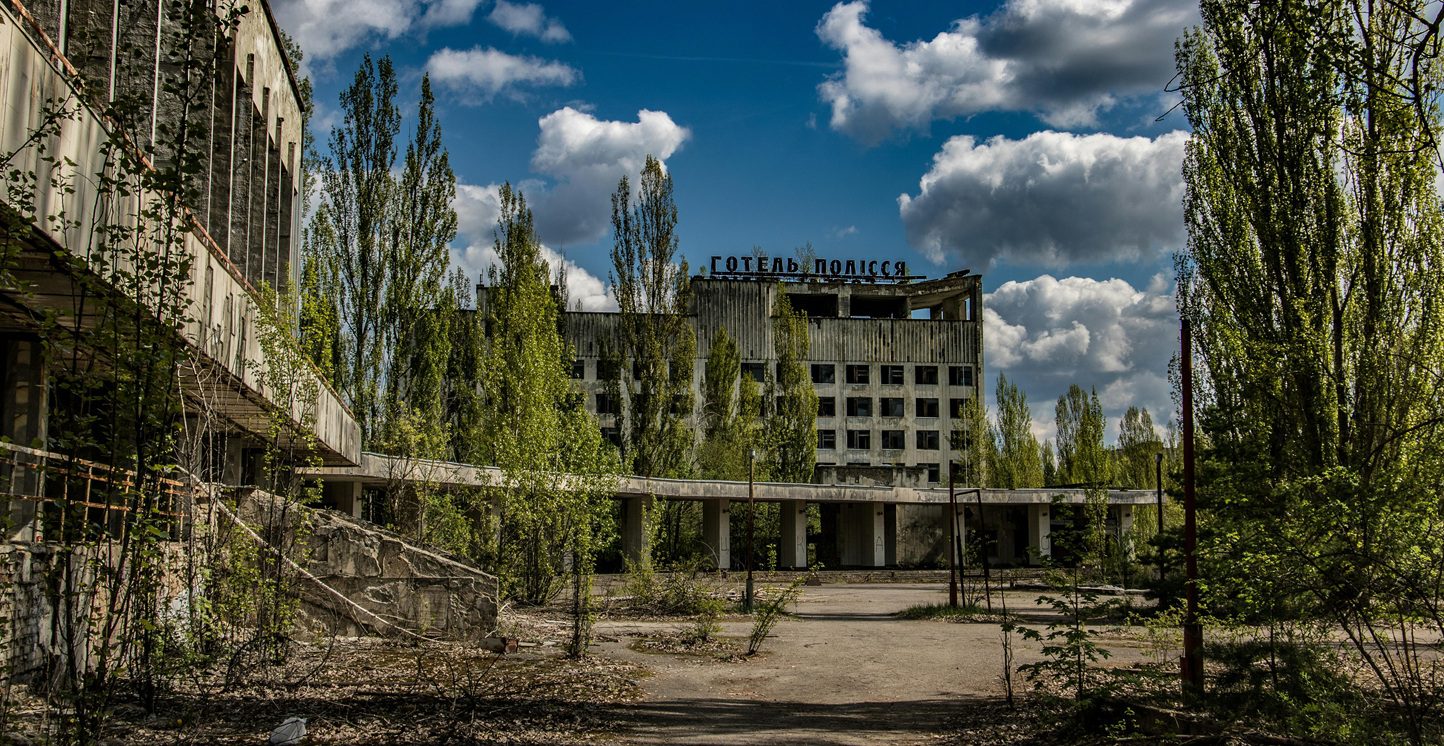
In one of the most unexpected turns of biological irony, the site of the world’s worst nuclear meltdown has transformed into an unlikely sanctuary. While the area remains perilous for people, wildlife is not only returning to the Chernobyl Exclusion Zone (CEZ) but is actively thriving.
The Legacy of the 1986 Disaster
The current state of the region is the result of the April 1986 Chernobyl disaster in northern Ukraine. A malfunction at the nuclear power plant triggered an explosion, releasing debris and cancer-causing radiation into the atmosphere.
Today, radiation levels remain six times higher than the amount considered safe for human exposure. Experts believe it may take 20,000 years before the immediate area is once again habitable for people.
A Human Wasteland, a Wildlife Paradise
Despite the lingering radiation, large mammals are moving into the CEZ rather than avoiding it. Ecologist Svitlana Kudrenko recently concluded in a study that animals are increasingly drawn to the area.

The region now supports diverse populations of bears, lynx, elk, deer, moose and horses. It is also home to dogs, which are likely descendants of pets left behind during the original evacuation.
“It is very clear that large protected regions like the Chernobyl Exclusion Zone provide the requirements for mammals like moose, deer, wolves, and wild horses to escape from hunting pressures and other human disturbances.”
According to Tim Mousseau, a professor of biological sciences at the University of South Carolina, the absence of humans is the primary driver. With no traffic incidents or hunting, the wasteland has effectively become a utopia for larger mammals.
Genetic Secrets and the Fight Against Cancer
The resilience of these animals has opened new doors for medical research. A 2024 study focused on the wolves of the CEZ, using GPS collars with radiation detection technology and blood samples to monitor their health.
Researchers discovered that these wolves are virtually unaffected by radiation levels that should be fatal. Further examination revealed that genes linked to cancer had mutated, suggesting the wolves have evolved a form of radiation protectant.
This discovery could provide a roadmap for cancer experts. By studying these mutations, scientists may be able to identify human mutations that could reduce cancer risk or potentially be used to cure the disease.
What Which means for the Future
The ongoing study of the CEZ may lead to significant advancements in genetic medicine. If the mutations found in wolves can be understood, this research could pave the way for new human treatments.
While the zone will likely remain off-limits to humans for millennia, it may continue to serve as a critical safe haven and a living laboratory for evolutionary science.
Frequently Asked Questions
Why are large mammals thriving in the Chernobyl Exclusion Zone?
Animals are benefiting from the total absence of humans, which eliminates the two most significant disturbances they face: hunting and traffic incidents.
Which animals have been observed in the area?
The zone is populated by moose, deer, wolves, wild horses, bears, lynx, elk, and descendants of dogs left behind during the evacuation.
How could the wolves of Chernobyl help cure cancer?
Researchers found that the wolves’ genes linked to cancer have mutated to protect them from radiation; studying these mutations could help experts reduce cancer risk or find cures in humans.
Do you think the benefits of such a sanctuary outweigh the tragedy of the disaster that created it?