
Why Ozempic and Wegovy Users Face Greater Social Stigma After Weight Loss
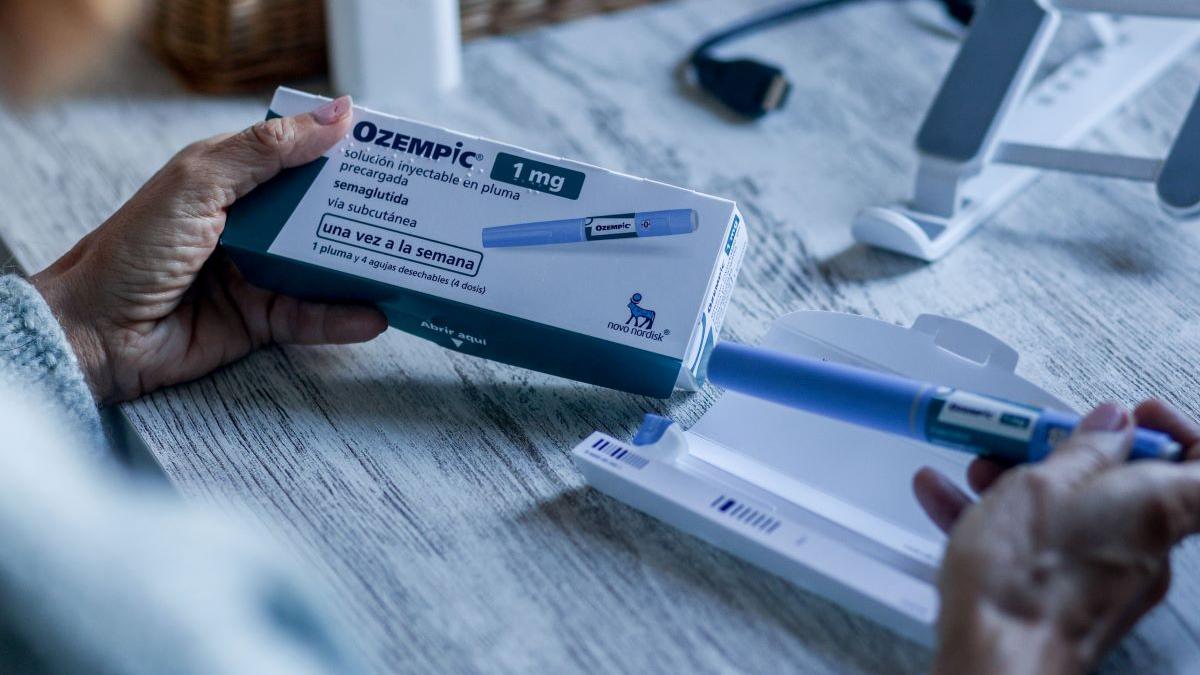
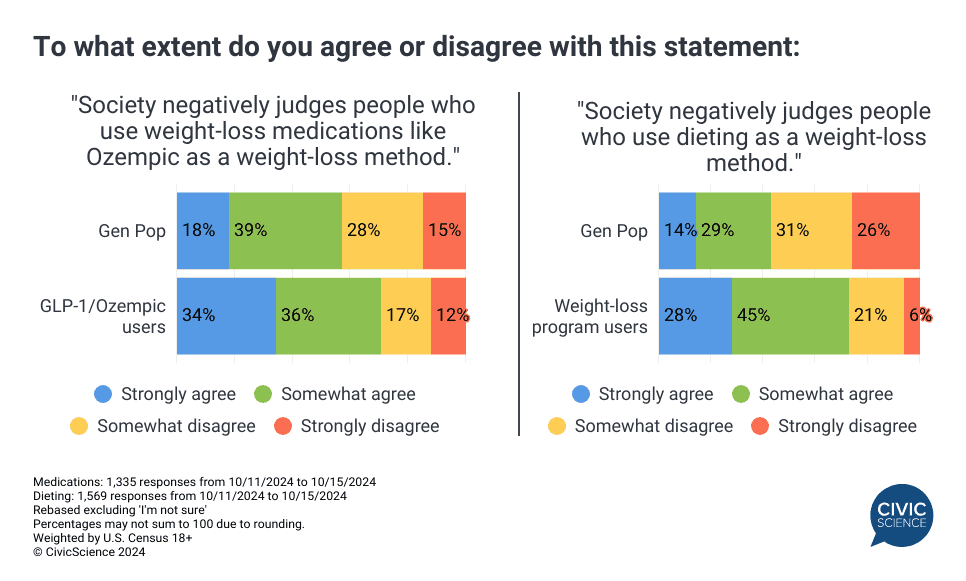
Researchers at Rice University found that individuals using GLP-1 weight-loss medications, such as Ozempic and Wegovy, face higher levels of social stigma than those using traditional weight-loss methods. According to a study published in the International Journal of Obesity, these users are often viewed more negatively than people who do not lose weight at all.
Why are GLP-1 users judged more harshly than those on diets?
Participants in the study viewed weight-loss medication as a “shortcut” or an “easy way” to achieve results. This perception stems from a cultural belief that weight loss should only result from strict diets, exercise, and personal discipline, according to the researchers.

The study, coordinated by Erin Standen of Rice University, Sean Phelan of the Mayo Clinic, and Janet Tomiyama of the University of California, Los Angeles, used fictional scenarios to test these biases. Participants evaluated a fictional person based on whether they lost weight via GLP-1 drugs, traditional methods, or not at all.
The results showed that those who used medication were judged more severely than those who used traditional methods. They were even evaluated more negatively than individuals who failed to lose any weight.
What happens when patients regain weight?
Social criticism increases when patients regain weight, regardless of how they initially lost it. The research indicates that those who regained weight were viewed more negatively than those who maintained their results.
Researchers noted that many GLP-1 users stop treatment due to side effects, insurance limits, or high costs. Despite these systemic barriers, the social stigma remains strong when weight is regained.
Erin Standen explained that people are judged in multiple stages. They face criticism for their weight and then further judgment for how they choose to manage it.
How does weight stigma affect physical and mental health?
Weight-based discrimination leads to serious health consequences beyond social discomfort. According to the researchers, stigmatized individuals are more likely to experience depression, anxiety, and chronic stress.
This shame can cause patients to avoid necessary medical consultations for fear of being criticized. Standen stated that people who feel judged for their health choices may become more reluctant to seek medical help or speak openly about their struggles.
The study emphasizes that obesity is a complex condition influenced by hormonal, genetic, biological, and psychological factors. Current social perceptions often ignore these complexities in favor of a discipline-based narrative.
Frequently Asked Questions
Which medications were specifically mentioned in the study?
The research focused on GLP-1 medications, specifically naming Ozempic and Wegovy.
Who conducted the research on GLP-1 social stigma?
The study was coordinated by Erin Standen (Rice University), Sean Phelan (Mayo Clinic), and Janet Tomiyama (University of California, Los Angeles).
Why do some users stop taking GLP-1 medications?
According to the study, patients often interrupt treatment because of high costs, limitations imposed by insurance, or adverse side effects.
How do you think social perceptions of medical weight loss will change as these treatments become more common?