
Why the Nairobi-Cairo Proposals Fail the Anglican Communion
The Anglican Consultative Council (ACC-19) is scheduled to convene in Belfast, Northern Ireland, from June 27 to July 5, 2026, to consider proposed reforms to the structure and identity of the Anglican Communion. The agenda includes the Nairobi-Cairo Proposals, which suggest a rotating chair for the ACC and a redefinition of the Communion based on a 1930 Lambeth Conference resolution.
Background of the Nairobi-Cairo Proposals
The Inter-Anglican Standing Commission on Unity, Faith, and Order (IASCUFO) developed the Nairobi-Cairo Proposals following a mandate from the 18th meeting of the ACC. The commission released the initial report in December 2024 and a supplementary report in March 2026. These documents were created in response to the 2022 Lambeth Conference Call on Anglican Identity, which sought to address ongoing internal divisions and the structure of the church.
According to the Rt. Rev. Glenn Davies, a former Archbishop of Sydney and current bishop of the Diocese of the Southern Cross, the reports aim to resolve issues surrounding the “anachronistic colonial structure” of the church. However, critics argue the proposals fail to adequately address deep-seated disagreements regarding marriage and human sexuality that have persisted for over 30 years.
Did You Know?
The Nairobi-Cairo Proposals suggest updating Resolution 49 from the 1930 Lambeth Conference, which has served as the primary, albeit unofficial, definition for the status and nature of the Anglican Communion for nearly a century.
Proposed Structural Changes
One primary proposal involves shifting the leadership of the ACC and the Primates’ Meetings away from the Archbishop of Canterbury by implementing a system of rotating chairs. The supplementary report suggests that the Communion’s leadership should reflect its global demographic reality, as regions like Nigeria, Uganda, and South Sudan currently represent high attendance numbers.
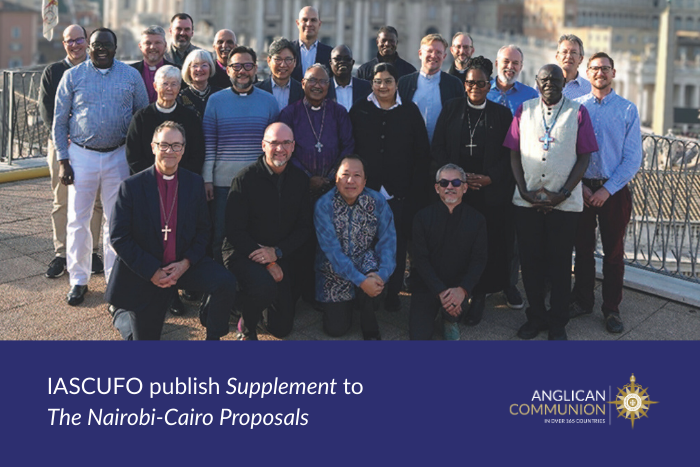
Bishop Davies notes that while the change is intended to address the postcolonial era, the supplementary report appears to maintain a “Canterbury-centric” model. Under the proposed framework, the Archbishop of Canterbury’s ministry of unity would continue to complement other instruments of the Communion, with the Archbishop remaining primus inter pares.
Expert Insight:
The debate highlights a tension between modernizing administrative roles and maintaining theological uniformity. While the proposed changes to the 1930 definition remove the explicit requirement of communion with the See of Canterbury as a defining characteristic, they simultaneously weaken the commitment to uphold the “Catholic and Apostolic faith” by replacing it with a requirement to merely “seek to uphold” those principles. This shift suggests a widening gap in how individual provinces interpret their adherence to shared doctrine.
Potential Implications for the Communion
The adoption of these proposals could fundamentally alter the legal and theological framework of the Anglican Communion. By redefining the nature of the fellowship, the proposals seek to allow for local autonomy in matters of doctrine. However, critics suggest this could lead to the further fragmentation of the church, particularly as individual provinces have already moved to approve same-sex marriage, a practice that contradicts the traditional interpretation of the Book of Common Prayer.
If the ACC approves these changes, it may signal a move toward a more decentralized model of governance. Conversely, failure to address the “elephant in the room”—the crisis of doctrine regarding marriage—may leave the current divisions unresolved, regardless of structural changes to the leadership of the ACC.
Frequently Asked Questions
When and where will the ACC meet to discuss these proposals?
The Anglican Consultative Council (ACC-19) will meet in Belfast, Northern Ireland, from June 27 to July 5, 2026.
What is the primary goal of the Nairobi-Cairo Proposals?
The proposals seek to renew the instruments of the Anglican Communion by addressing colonial-era structures and clarifying the definition of the Communion in response to the 2022 Lambeth Conference Call on Anglican Identity.
What specific change is proposed for the chair of the ACC?
The report recommends transitioning from the Archbishop of Canterbury serving as the permanent chair to a system where Regional Primates rotate into the position of chairing the ACC and the Primates’ Meetings.
How do you believe these proposed structural changes might affect the future unity of the global church?