
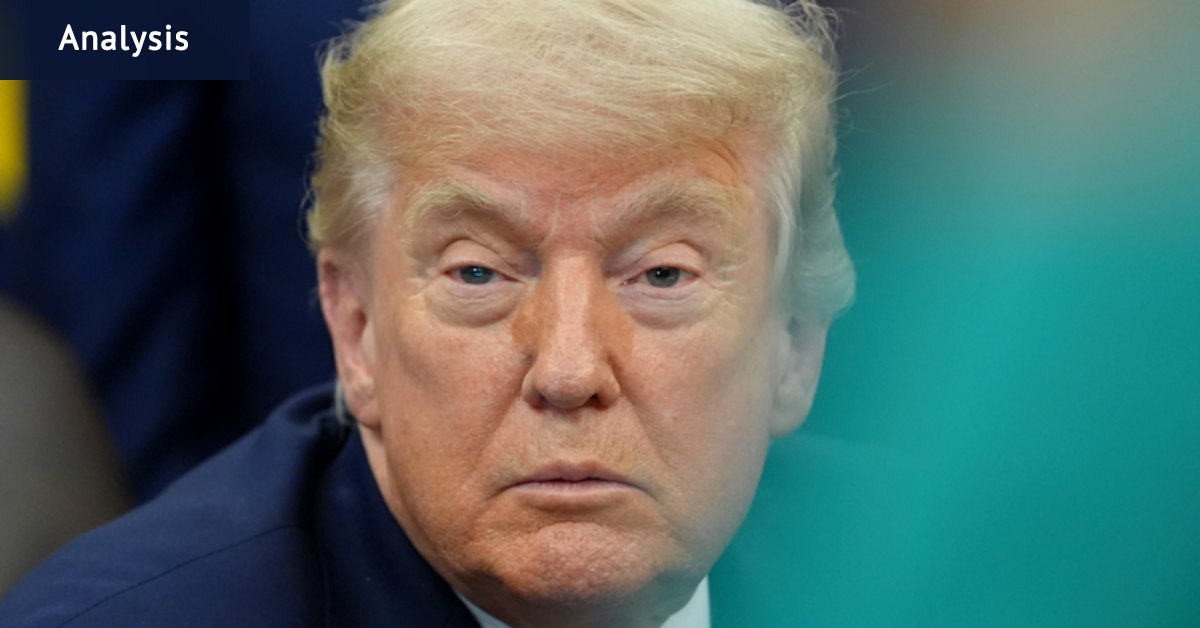
Why Trump’s Iran Peace Deal Is a Perilous Failure
The United States has secured a peace agreement with Iran, though the deal falls short of the regime-change goal originally stated by President Donald Trump. While the ceasefire aims to stabilize the Strait of Hormuz and halt active hostilities, regional analysts and political allies warn that the agreement leaves the Iranian government intact, creating a fragile landscape for future diplomatic and military stability.
Why is the peace deal considered fragile?
The primary instability stems from the gap between President Trump’s February 28 rhetoric—where he called for the Iranian people to take over their government—and the current reality of a negotiated settlement. According to reports from The Sydney Morning Herald, Trump has shifted his stance, recently telling The Wall Street Journal that he never prioritized regime change. This pivot leaves the existing Iranian leadership in place, which critics argue remains a threat to regional security. The volatility is compounded by internal dissent within the Iranian government, where officials have publicly clashed over whether the negotiations constitute “treason.”

What are the risks to shipping in the Strait of Hormuz?
While the administration claims the Strait of Hormuz will be “toll-free” and open for international shipping, historical precedent suggests potential for renewed friction. Sources indicate that Iran has previously explored arrangements with Oman to impose tolls on vessels, citing a need for compensation for strikes on their territory. Even if the blockade is lifted this Friday as planned, the Iranian regime’s proven ability to disrupt global oil flows ensures that the mere threat of closure will likely force ongoing international military posturing.
How does the deal affect Israeli security policy?
The agreement lacks a binding framework for Israel, which remains a significant point of contention for the Netanyahu administration. According to Israeli Defence Minister Israel Katz, the Israel Defence Forces (IDF) will maintain a presence in designated “security zones” across Lebanon, Gaza, and Syria with no established time limit. This stance directly conflicts with the expectations of a total regional ceasefire. Furthermore, hardline figures such as National Security Minister Itamar Ben-Gvir have publicly stated they will not accept terms that restrict Israel’s right to strike targets, such as Hezbollah, if rockets continue to cross the border.
Comparison: The 2015 Nuclear Agreement vs. The Current Deal
| Feature | 2015 JCPOA (Obama) | Current Trump Agreement |
|---|---|---|
| Status | Torn up by Trump | New negotiation |
| Congressional Approval | Required | Required |
| Regime Outlook | Diplomatic containment | Maintains current leadership |
What is the potential impact on the nuclear program?
The uncertainty surrounding Iran’s nuclear capabilities remains the most significant long-term risk. While the agreement is being presented as a diplomatic breakthrough, Republican Senator Lindsey Graham has publicly expressed concern that the American negotiating team’s interpretation of the deal does not align with the expectations held by officials in Tehran. Without strict, verified constraints on missile and drone development, the deal faces a high probability of collapse during the upcoming 60-day review period.

Monitor the upcoming Israeli elections, scheduled for October, as a bellwether for the deal’s longevity. The political pressure from Israeli hardliners will likely dictate the intensity of future military operations in the region.
Frequently Asked Questions
Is the Iranian regime expected to change under this deal?
No. President Trump has explicitly stated he is no longer pursuing regime change, and the current terms leave the existing Iranian government in power.
Will the Strait of Hormuz be permanently toll-free?
While the U.S. has secured an agreement for free passage, historical context suggests Iran may attempt to leverage its position for compensation, making the long-term stability of these lanes uncertain.
Does this deal force an Israeli withdrawal from Lebanon?
No. Israeli Defence Minister Israel Katz confirmed that the IDF intends to remain in “security zones” in Lebanon, Gaza, and Syria with no set timeline for withdrawal.
What are your thoughts on the long-term viability of this ceasefire? Share your perspective in the comments section below or subscribe to our newsletter for the latest updates on international security.