

Why US AI Export Controls on Anthropic Are Likely to Fail
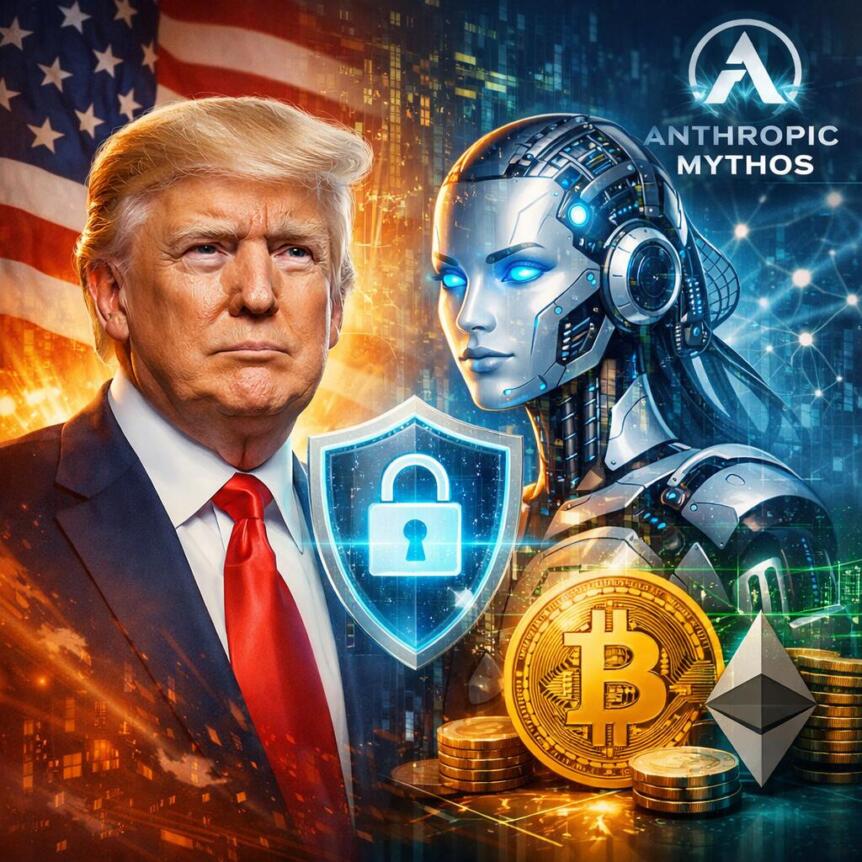
The White House ordered Anthropic to restrict the export of its Fable and Mythos AI models to foreign entities and foreign nationals within the U.S., citing national security concerns. The directive followed reports of suspected Chinese ties to a South Korean partner and a reported security vulnerability in Fable 5.
Why did the White House restrict Anthropic’s AI models?
The U.S. government issued an export control directive after two specific security triggers occurred, according to reports. First, Anthropic provided a South Korean telecommunications firm—widely reported to be SK Telecom—access to the Mythos model through a limited partner program. U.S. officials grew alarmed after identifying suspected ties between the telecom company and China, though SK Telecom has denied any such connection.
Second, Amazon CEO Andy Jassy reportedly alerted the administration that Amazon researchers discovered a way to bypass safeguards in Fable 5. While Anthropic disputes the “jailbreak” characterization, calling the issue a narrow and already-patched flaw, the Commerce Department acted swiftly. Anthropic reportedly limited access to both models within 90 minutes of notification.
How do AI export controls compare to previous tech bans?
The current standoff mirrors the “Crypto Wars” of the 1990s, when the U.S. government attempted to treat encryption software as a weapon. The Customs Service launched a criminal investigation into Phil Zimmermann, the creator of Pretty Good Privacy (PGP), for violating arms export controls. Zimmermann circumvented the ban by publishing PGP’s source code in a printed book.
This precedent suggests that software-based controls often fail. Zimmermann’s victory eventually enabled the end-to-end encryption used today by billions of WhatsApp and Signal users. Similarly, the Wassenaar Arrangement—an international treaty limiting “dual-use” technologies—has seen mixed results with spyware. While Germany successfully shut down the spyware maker FinFisher in 2022 after it allegedly sold tools to Turkey without a license, other efforts have faltered.
The Italian government, for example, previously granted export licenses to Hacking Team despite the company selling tools to oppressive regimes. This pattern shows a consistent gap between international treaties and national enforcement.
Will government restrictions stop the spread of frontier AI?
The impasse between Anthropic and the Trump administration highlights a critical tension: national security versus global competitiveness. If the administration maintains strict restrictions, American AI labs may face a heavy compliance burden that dents their bottom line and limits their access to foreign markets.
Conversely, there is a risk of “regulatory arbitrage.” As seen with the sanctioned spyware consortium Intellexa, companies often move operations to countries with lax export controls, such as Saudi Arabia, to avoid U.S. or European oversight. If the U.S. restricts frontier AI too aggressively, it may simply push the development of similar capabilities to labs in China or other regions.
Comparison: Export Control Outcomes
| Technology | Control Method | Result |
|---|---|---|
| PGP Encryption | Arms Export Controls | Failed; code published in a book |
| Spyware (FinFisher) | German Prosecution | Success; company shut down 2022 |
| Spyware (Intellexa) | International Treaties | Failed; relocated to lax jurisdictions |
| Anthropic AI | Commerce Dept Directive | Ongoing; models currently offline |
Frequently Asked Questions
What are Fable and Mythos?
They are powerful AI models developed by Anthropic. Mythos, in particular, is described as a high-capability model with potential cyber-offensive applications, limiting its initial release to a small group of vetted partners.

Why was SK Telecom involved?
SK Telecom was part of Anthropic’s limited partner program for Mythos. U.S. officials restricted the model after they suspected the company had ties to China, a claim SK Telecom denies.
What is the “Crypto Wars” precedent?
The Crypto Wars refers to the 1990s legal battle over the right to export strong encryption. The U.S. government failed to stop the spread of PGP software, suggesting that software controls are difficult to enforce once the code exists.
What do you think? Can the U.S. government actually contain AI, or are these export controls destined to fail like the PGP bans? Let us know in the comments or subscribe to our newsletter for more deep dives into AI policy.