
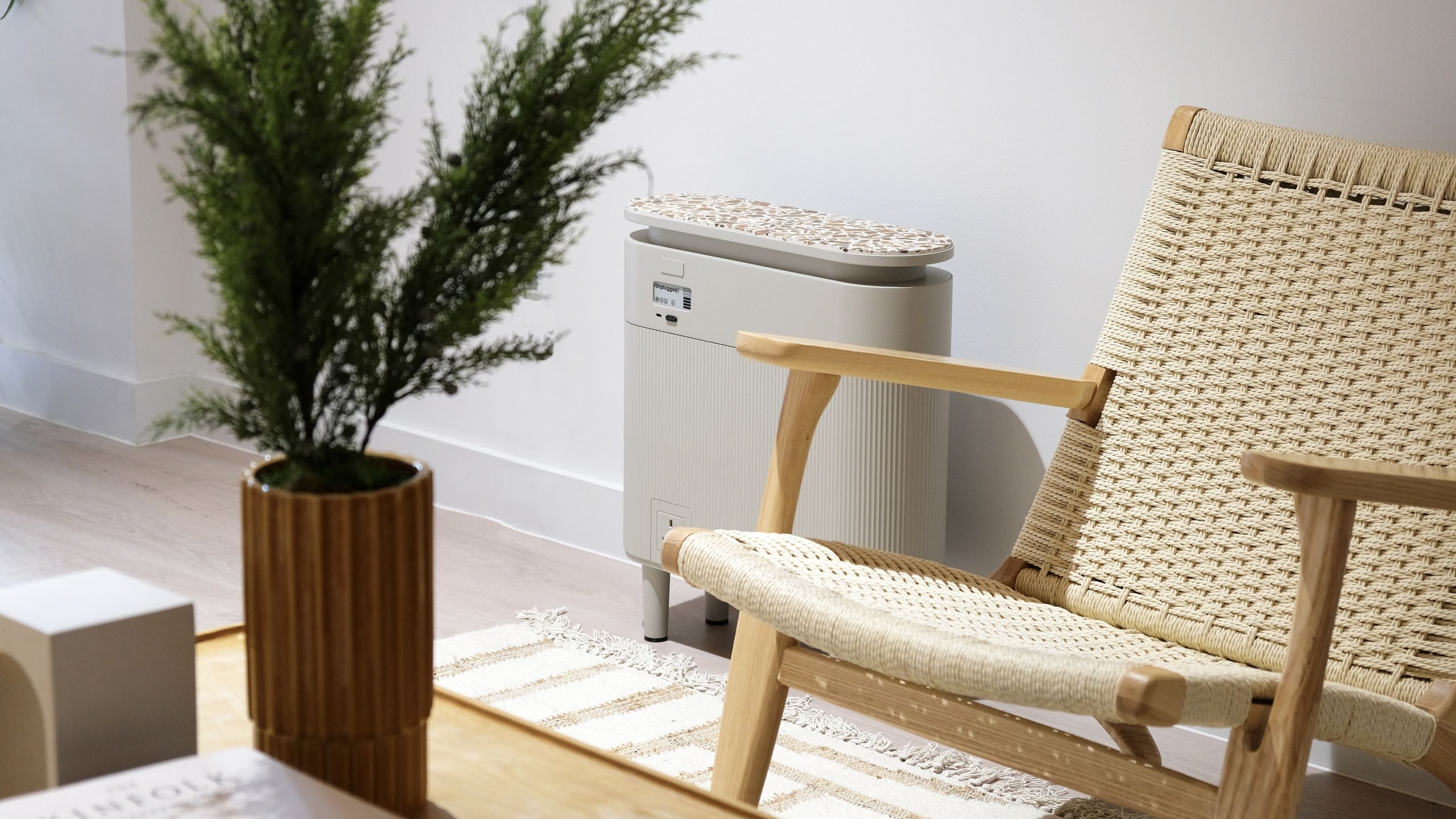
Windfall Battery: The Plug-and-Play Energy Storage Solution for Renters
Plug-and-play home battery systems, such as the Windfall Battery, allow apartment dwellers to store electricity during off-peak hours and discharge it during peak periods to lower energy bills. According to Windfall Energy co-founder Rob Hallifax, these units bypass the need for traditional solar panel installations, though current UK wiring regulations may still require professional hardwiring for safety compliance.
How do plug-and-play batteries work for renters?
Unlike traditional residential solar setups that require rooftop access, plug-and-play batteries are designed to integrate directly into existing apartment infrastructure. According to Windfall Energy, these units connect to a standard wall socket to charge when electricity prices are lowest. An internal app manages the storage and release cycles, effectively shifting a household’s energy consumption away from expensive peak-pricing windows. The unit is compact—measuring 54cm by 48cm—and includes a USB-C port for direct device charging, making it a portable solution for tenants who cannot modify their building’s electrical system.
Why is the regulatory landscape shifting?
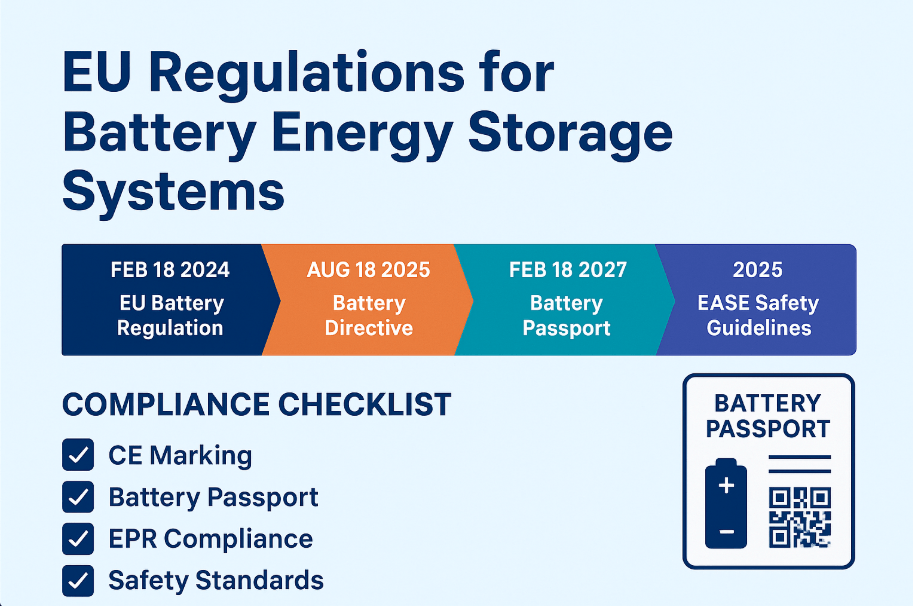
The primary barrier for plug-and-play energy storage is existing safety legislation. As noted by Rob Hallifax, current UK wiring regulations treat high-capacity storage units similarly to fixed appliances like electric cookers, which mandates hardwiring. However, the government is actively re-evaluating these standards to support broader carbon reduction targets. Discussions are currently underway with the Microgeneration Certification Scheme (MCS) to create a framework that allows for safer, non-permanent installations. Industry observers expect these regulatory updates to potentially materialize within the next 12 months, which could significantly expand the market for renters.

Design considerations for small-space living
Market research indicates that aesthetics play a major role in the adoption of home energy tech. Windfall Energy collaborated with designers previously associated with IKEA and Joseph Joseph to ensure the battery functions as a piece of furniture rather than a piece of industrial equipment. This minimalist approach addresses a common pain point for apartment residents who lack utility rooms or garages to hide bulky hardware. By prioritizing a clean, unobtrusive aesthetic, the company aims to normalize the presence of energy storage in living rooms and studios.
How to monitor the future of home energy storage
The shift toward decentralized energy storage is likely to accelerate as more manufacturers target the rental market. While the first production batch of the Windfall Battery has already sold out, the company is maintaining a waitlist for future units. Potential buyers should monitor the Microgeneration Certification Scheme (MCS) website for updates on plug-and-play standards, as these will determine whether such devices become standard consumer electronics or remain niche products requiring professional installation.
Frequently Asked Questions
- Can I use a plug-and-play battery without solar panels? Yes. These systems are designed to charge from the grid during off-peak hours when electricity is cheaper.
- Do I need a landlord’s permission? Because these units plug into standard sockets and are not permanently fixed, they often fall outside traditional lease restrictions, though it is always best to verify with your rental agreement.
- Is the Windfall Battery available now? The initial production run has sold out; the company is currently managing a waitlist for future batches via their official website.
Are you looking to optimize your home energy usage? Join the conversation in the comments below or subscribe to our newsletter for the latest updates on sustainable home technology trends.