

Wisconsin doctors say HPV vaccine has cut cancer rates. Only half of teens get the shots.
Wisconsin pediatricians are marking 20 years of the HPV vaccine, but state data reveals a significant gap in teen uptake. While the vaccine prevents 90% of HPV-related cancers, just over half of Wisconsin’s 13- to 18-year-olds completed the series in 2025, trailing national averages reported by the CDC.
Why are HPV vaccination rates lower in Wisconsin?
Data from the state Department of Health Services shows nearly half of the state’s teenagers aren’t getting the shots. In 2025, just over half of Wisconsin’s 13- to 18-year-olds completed the HPV vaccine series, and nearly 65 percent received at least one dose last year.
These figures fall short of national trends. According to the CDC, 78 percent of 13 to 17-year-olds nationwide had at least one dose in 2024, with nearly 63 percent completing the full series.
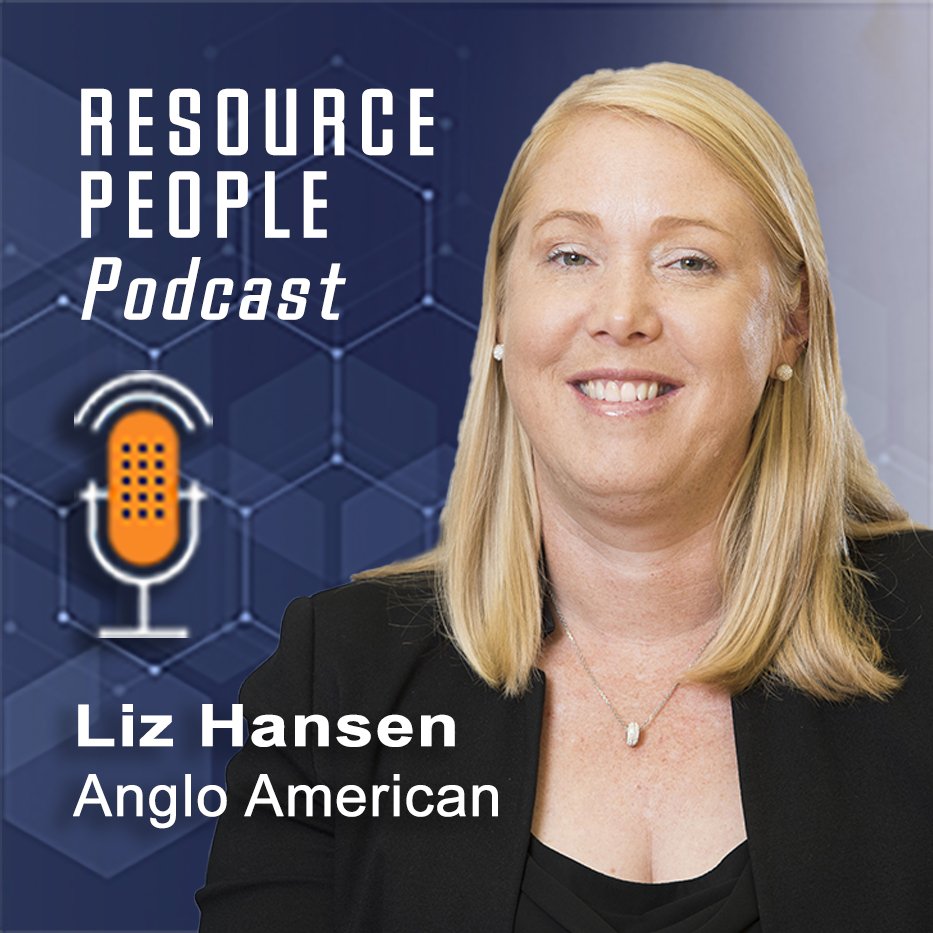
Dr. Liz Hansen, a pediatrician at Emplify Health in Onalaska, notes a disparity between this vaccine and others. In her health system, 92 percent of pediatric patients receive tetanus boosters and meningitis vaccines, but only 85 percent receive the HPV vaccine.
How does the HPV vaccine prevent cancer?
HPV is spread through sex or intimate skin-to-skin contact. While most infections resolve on their own, some lead to cancers of the throat, genitals, and cervix in both men and women. These cancers often take years to develop, and the CDC reports there is no way to predict who will develop cancer from an infection.

The vaccine is designed to stop this progression. Dr. Megan Yanny, a pediatrician at UW Health, emphasizes that while research often seeks a cure, this vaccine prevents the cancer from occurring in the first place.
The results have been measurable. The CDC reports that HPV infections among teen girls in the U.S. have dropped 88 percent since 2006. Additionally, cervical pre-cancers caused by HPV have declined by 40 percent among vaccinated women.
What is the recommended schedule for the vaccine?
Following American Academy of Pediatrics guidelines, Dr. Yanny recommends starting the vaccine at age 9. She advocates for separating the medical necessity of cancer prevention from conversations about sexual activity to ensure all children are protected early.
Starting the two-dose series at age 9 offers biological advantages. Dr. Hansen explains that younger children typically have a stronger immune response, which makes the shot more effective.
An earlier start also provides a safety net for scheduling. It gives families and providers more time to ensure both doses are administered before the child turns 15.
What may happen next for Wisconsin’s vaccination rates?
The current disparity in vaccination rates could be linked to limited access to preventive care or parental perceptions. Dr. Hansen suggests that Wisconsin’s permissive school vaccine exemption allowances may lead some parents to opt out of vaccines generally during the 11- to 12-year-old age range.
Vaccination rates may also be affected by competing health priorities. Dr. Yanny theorizes that the HPV shot could be deferred when families are focused on other health problems or required school immunizations.
To address this, providers may begin prioritizing HPV conversations during every family visit. Increasing the promotion of the vaccine’s success is a possible next step to reduce future cancer rates across the state.
Frequently Asked Questions
At what age do pediatricians recommend the HPV vaccine?
According to American Academy of Pediatrics guidelines, pediatricians like Dr. Megan Yanny recommend starting the vaccine at age 9.
Why is it beneficial to vaccinate children at age 9 rather than as teenagers?
Dr. Liz Hansen states that younger children have a stronger immune response, making the vaccine more effective, and it ensures the series is completed before age 15.
What types of cancer does the HPV vaccine help prevent?
The vaccine prevents 90 percent of HPV-related cancers, including cancers of the cervix, throat, and genitals, affecting both men and women.
Do you believe separating cancer prevention from conversations about sexual activity would encourage more parents to vaccinate their children early?