

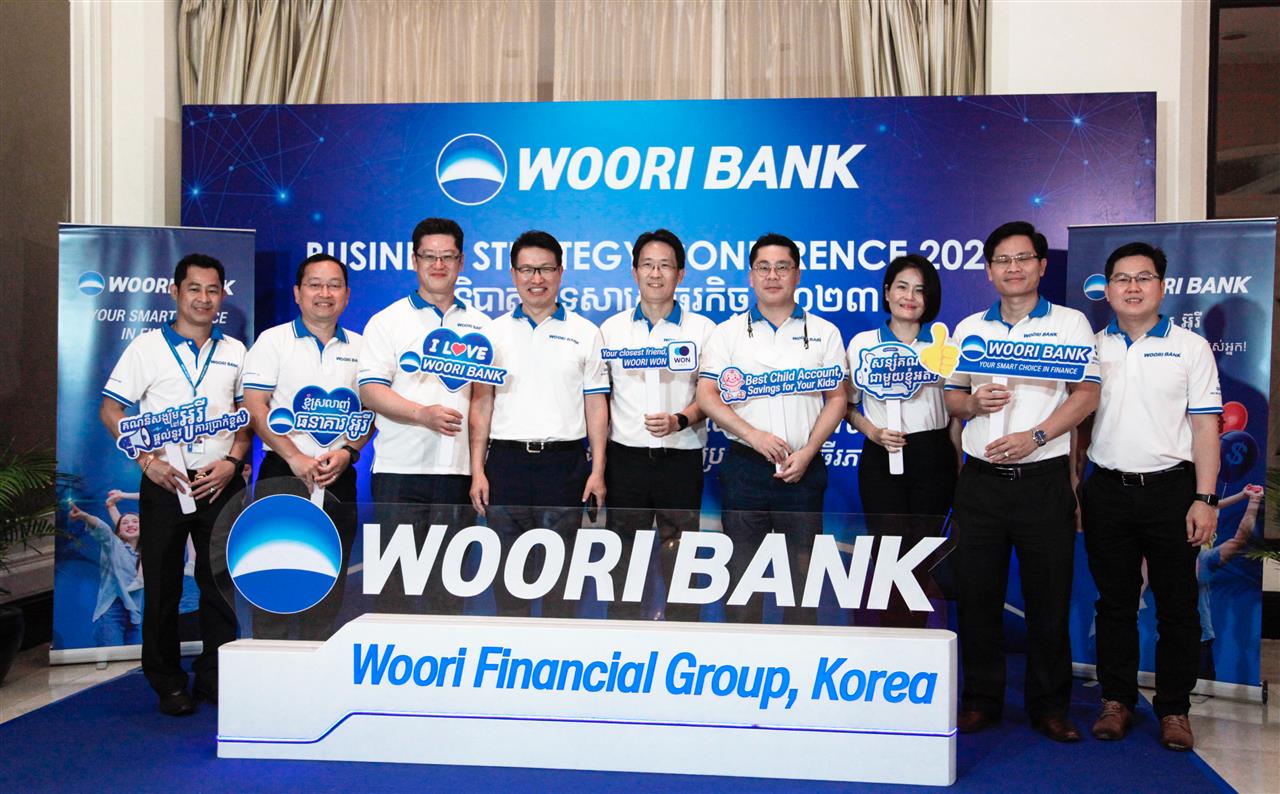
Woori Bank Opens Asia Regional Headquarters in Singapore to Boost Global IB Competitiveness
The ‘Hub-and-Spoke’ Revolution: Why Banks are Centralizing Asia Operations
The traditional model of operating isolated overseas branches is fading. In its place, we are seeing the rise of the “Regional Hub” strategy—a sophisticated hub-and-spoke model where a central command center, typically in a financial powerhouse like Singapore, orchestrates operations across multiple markets.
By centralizing decision-making and risk management, banks can stop treating each country as a silo. Instead, they create a seamless network. When a bank establishes a regional headquarters, it isn’t just about having a fancy office in a skyscraper; it’s about creating a “control tower” that can pivot resources quickly between a booming market in Vietnam and a stable corporate environment in Tokyo.
The Strategic Shift Toward Global Investment Banking (IB)
Retail banking is a game of volume, but Investment Banking (IB) is a game of value. The current trend shows a decisive shift toward enhancing IB capabilities within Asian hubs. Banks are no longer content with just providing loans; they are moving into complex corporate finance, mergers and acquisitions (M&A), and structured finance.
The goal is to capture the entire lifecycle of a corporate client. For instance, a Korean company expanding into Indonesia doesn’t just need a bank account; they need advice on local acquisitions, hedging against currency volatility, and securing large-scale infrastructure funding. By placing specialized IB teams in a regional hub, banks can offer these high-margin services with much greater agility.
For more on how global capital flows are shifting, check out our guide on emerging market investment strategies.
Digital Leapfrogging in Southeast Asia
One of the most critical trends is the “digital leapfrogging” occurring in markets like Vietnam, Indonesia, and Cambodia. In these regions, many consumers skipped the credit card era entirely and jumped straight to mobile wallets and super-apps.
Global banks are now integrating their regional hubs with local IT support to deploy “Digital-First” banking. This involves leveraging AI for credit scoring in regions where traditional credit histories are non-existent. By using alternative data—such as mobile phone usage or e-commerce transaction history—banks can expand their loan portfolios without exponentially increasing their risk.
Balancing Aggressive Growth with Qualitative Risk Management
Rapid expansion in emerging markets often comes with a hidden cost: risk. The trend is moving away from “growth at all costs” toward “qualitative growth.” In other words focusing on the health of the portfolio rather than just the size of the assets.
Regional hubs now employ dedicated internal review teams to ensure that local branches aren’t taking on excessive risk to meet quotas. By having a centralized view of the entire Asian portfolio, banks can spot systemic risks—such as a real estate bubble in one city or a political shift in another—much faster than they could through fragmented reporting.
According to data from the Bank for International Settlements (BIS), the integration of regional risk oversight is becoming a prerequisite for banks operating in volatile emerging markets to maintain Basel III compliance.
The Future of Cross-Border Synergy
The ultimate goal of the regional hub is “synergy.” Imagine a scenario where a corporate client in Sydney is looking to invest in a green energy project in Cambodia. In the old model, the Sydney branch and the Cambodia office might barely communicate. In the hub model, the Singapore headquarters connects the two instantly, providing the funding, the legal framework, and the risk assessment in one package.
This connectivity transforms a bank from a service provider into a strategic partner for global corporations. We expect to see more banks adopting this “ecosystem” approach, where the hub acts as the bridge between developed financial markets and high-growth emerging economies.
Frequently Asked Questions
A: Singapore offers a combination of political stability, a robust legal framework based on English Common Law, and a highly skilled expatriate workforce, making it the ideal neutral ground for managing diverse Asian markets.
Q: What is the difference between a branch and a regional hub?
A: A branch focuses on local execution and customer service within one country. A regional hub focuses on strategy, resource allocation, risk oversight, and synergy across multiple countries.
Q: How does digital transformation affect traditional IB?
A: Digital tools allow for faster data analysis and more accurate valuations. “Fintech-enabled IB” allows banks to automate the mundane parts of deal-making, leaving human experts to focus on high-level negotiation and relationship management.
What do you think about the shift toward centralized banking hubs? Do you believe this will help or hinder local market intimacy? Let us know your thoughts in the comments below or subscribe to our newsletter for more deep dives into global finance.