
World Cup 2026: Extreme Heat Threatens Workers
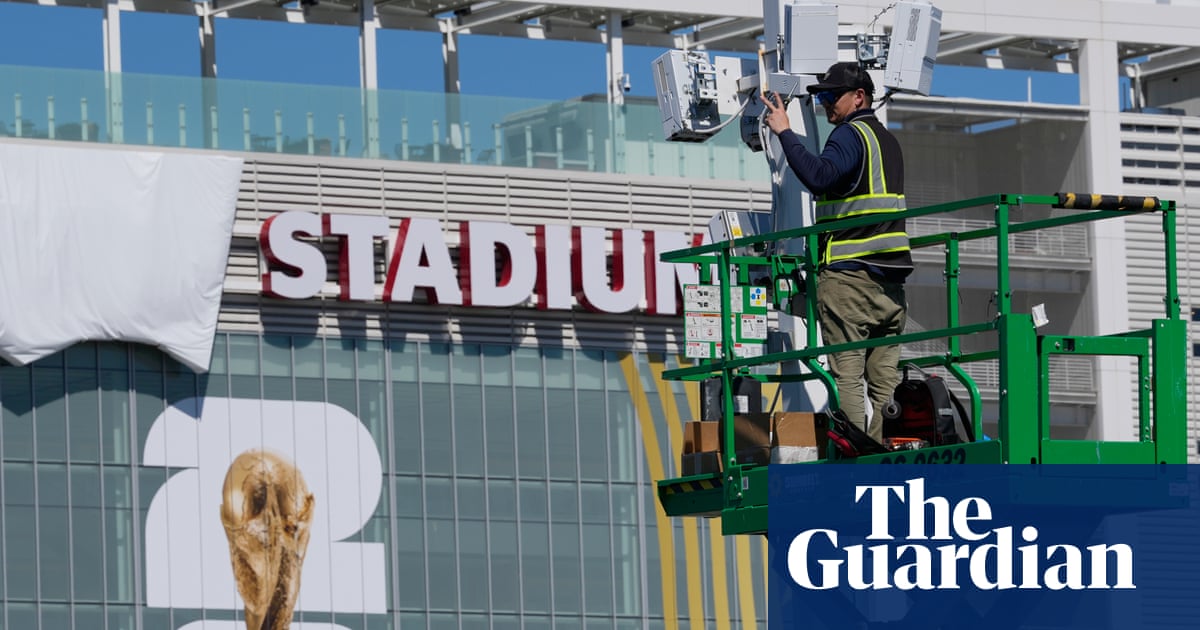
Thousands of workers supporting the upcoming FIFA World Cup face potential heat-related health risks, according to a recent study led by University of Georgia geographer and climatologist Andrew Grundstein. With matches scheduled across 16 cities—including southern hubs like Miami, Houston, Dallas, and Atlanta—temperatures are expected to exceed 85F or 90F, placing staff involved in concessions, security, and field maintenance at risk for heat exhaustion and other illnesses.
Did You Know? The planet has warmed by more than 1F since the last time the World Cup was held in North America, contributing to forecasts that suggest this year’s tournament could be the hottest since the inaugural event in 1930.
Why Heat Risks Persist for Tournament Staff
The danger to workers is heightened by the physical nature of their roles and the environmental conditions of the venues. According to the study, staff performing heavy labor, wearing mascot costumes, or working in stadiums without air conditioning—such as those in Miami, New York, Philadelphia, and Kansas City—are particularly vulnerable. Andrew Grundstein noted that temporary contract workers, who may not be acclimated to local climates, face an elevated risk compared to long-term residents whose bodies have adjusted to higher temperatures.
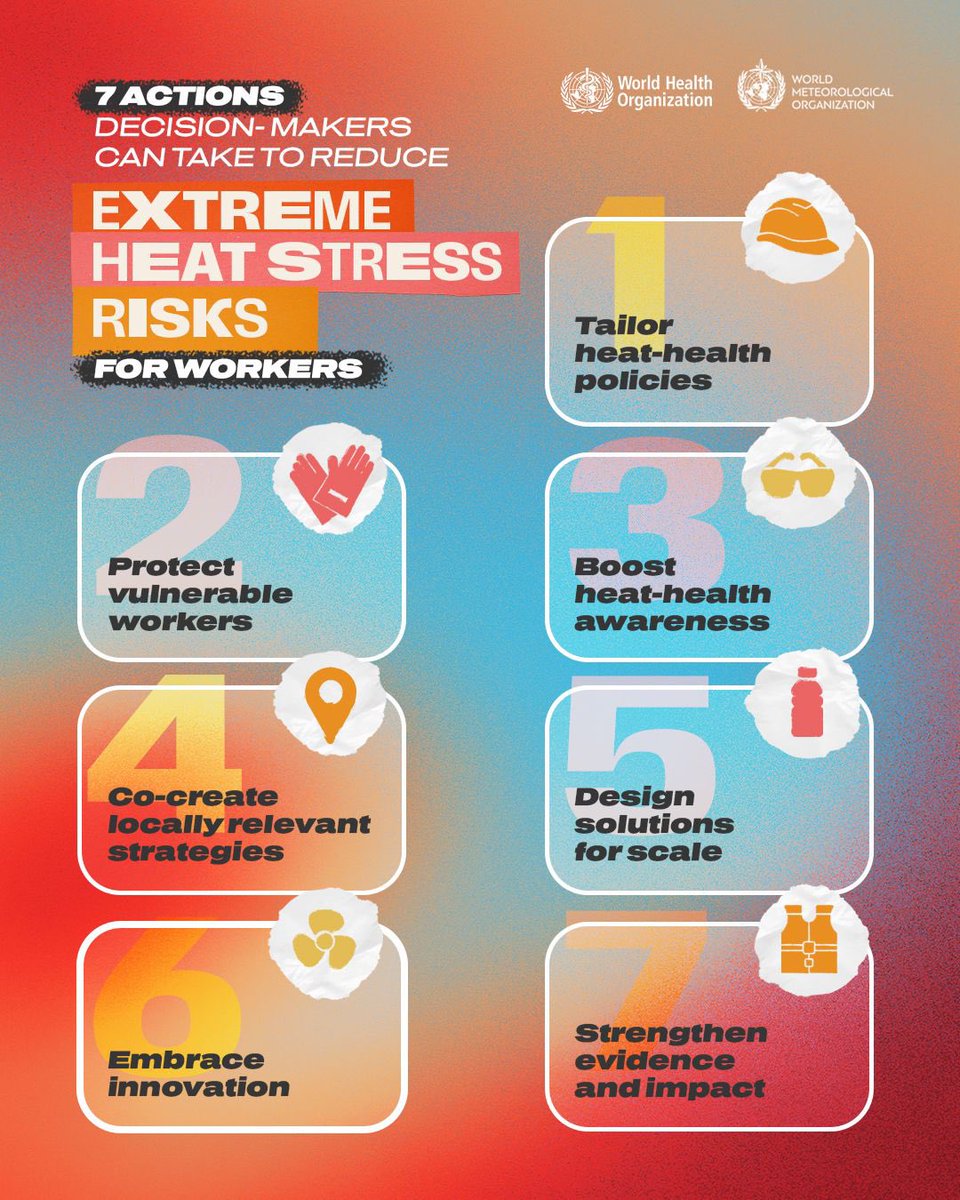
Expert Insight: The challenge lies in the intersection of extreme weather and the logistics of large-scale events. While organizers can implement infrastructure like misting systems, the human element—specifically the physiological strain on unacclimated temporary labor—remains a critical variable that standard safety protocols may not fully mitigate.
How Organizers and Advocates Are Responding
FIFA stated it is committed to safety and will utilize work-rest schedules, real-time weather monitoring, and a taskforce of heat experts to manage risks. The organization also scheduled many matches for late afternoon and evening to avoid peak daytime temperatures. However, labor advocates remain skeptical of the implementation.
Jonathan Alingu, co-executive director of Central Florida Jobs With Justice, warned that stadium workers often begin their shifts hours before kickoff, potentially exposing them to the hottest parts of the day. While some unionized staff in cities like Kansas City have secured access to water and cooling towels, activists in Miami have called for additional cooling hubs and safety training, requests that they report have not yet been addressed by local officials or FIFA.
What May Happen Next
The effectiveness of heat protections will likely remain a point of contention throughout the tournament. In states like Florida and Texas, where local municipalities are barred by state law from mandating heat protections, workers may remain reliant on the voluntary precautions of their individual employers. Labor rights groups, including the American Friends Service Committee, have indicated they will continue to monitor conditions on the ground. If temperatures spike, organizers could face increased pressure to provide additional resources or face potential labor disruptions as advocates push for more robust safety standards.

Frequently Asked Questions
Who is most at risk during the tournament?
According to the study, those most at risk include concession workers, security personnel, construction staff, and anyone performing physical labor or wearing heavy costumes in direct sunlight.
What protections has FIFA announced?
FIFA has stated it will use work-rest schedules, station medical personnel at matches, monitor weather in real-time, and deploy cooling measures such as misting systems and shaded areas.
Why are some states a concern for worker safety?
Florida and Texas have enacted laws that prevent local governments from mandating heat protections, leaving workers in those states largely dependent on their employers’ internal policies.
How might the lack of federal heat standards impact the safety of temporary workers during the tournament?