
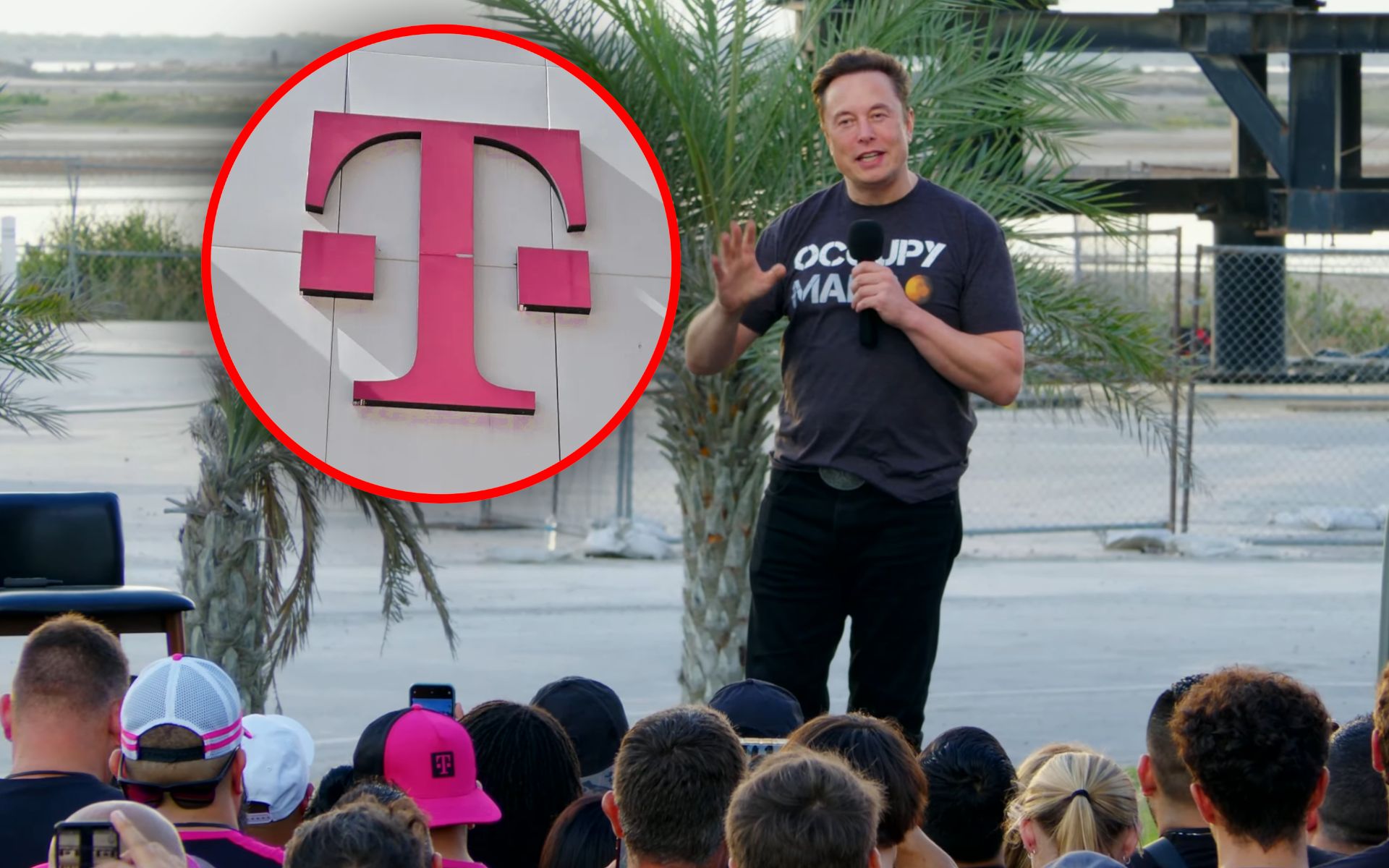
Could Elon Musk Acquire T-Mobile to Power Starlink?
SpaceX may acquire a major U.S. wireless carrier to secure the ground infrastructure needed for Starlink Mobile, according to analysis from Wolfe Research. This follows reports that AT&T, T-Mobile, and Verizon rejected requests to provide the infrastructure required for Starlink to operate as a mobile virtual network operator (MVNO).
Why is Starlink considering a carrier buyout?
Starlink needs access to terrestrial frequency infrastructure to launch its mobile services. The “Big Three” U.S. operators—AT&T, T-Mobile, and Verizon—have reportedly blocked SpaceX from accessing this infrastructure via MVNO agreements.
This blockade leaves Elon Musk with two options: build a nationwide network of ground transmitters from scratch or buy an existing company. Peter Supino, a senior analyst at Wolfe Research, told Fierce Network that an acquisition is the most realistic path forward.
Would T-Mobile be the most likely target?
Analysts at Wolfe Research identify T-Mobile as the ideal acquisition target. This preference stems from an existing relationship between the two companies. In 2022, SpaceX and T-Mobile formed a partnership that led to the launch of the T-Satellite service in the U.S.

T-Satellite allows users to access specific mobile services in areas where ground-based cell towers are unavailable. This existing integration makes T-Mobile a more natural fit for a full-scale merger than its competitors.
What has Elon Musk said about acquiring a telecom giant?
Musk has previously indicated that consolidating the traditional telecom market aligns with his long-term goals. During a session at the All-In Summit last year, Musk was asked directly about the possibility of taking over a giant like Verizon.
Musk responded that such a move “is not ruled out” and suggested that it “could happen.” While he did not name a specific timeline, the comment confirms that SpaceX is open to large-scale acquisitions to bypass infrastructure hurdles.
How would a new independent player affect the market?
The entry of a fourth independent wireless giant could destabilize the current U.S. telecom economy. According to Peter Supino of Wolfe Research, a standalone Starlink carrier would likely reduce profit margins across the entire industry.
If SpaceX buys an existing player, the market remains a triopoly, which maintains higher price stability. If SpaceX builds its own network, it creates a price war that could force AT&T and Verizon to lower their rates to compete with satellite-integrated mobile plans.
Comparison: Acquisition vs. Independent Build
| Strategy | Speed to Market | Industry Impact |
|---|---|---|
| Acquisition (e.g., T-Mobile) | Fast (Instant infrastructure) | Stable margins; consolidated power |
| Independent Build | Slow (Years of construction) | Margin reduction; aggressive price wars |
Frequently Asked Questions
Why can’t Starlink just use satellites for everything?
While satellites provide wide coverage, terrestrial ground infrastructure is still necessary for the high-capacity, low-latency connections required by standard smartphones in densely populated areas.
Which carriers have blocked SpaceX?
Reports indicate that AT&T, T-Mobile, and Verizon have all declined to provide the necessary infrastructure for Starlink to operate as an MVNO.
What is T-Satellite?
It is a joint service between T-Mobile and SpaceX that enables mobile connectivity in “dead zones” via satellite links.
Do you think a Starlink-owned carrier would lower your monthly phone bill?
Let us know in the comments below or subscribe to our newsletter for the latest updates on the satellite internet race.