

World Cup in a City Without Public Transport: The Arlington Experience
Arlington, Texas, serves as a primary host for the 2026 FIFA World Cup despite being the largest U.S. city without a traditional public transit system. With over 402,000 residents, the city relies almost exclusively on private vehicles, creating a unique logistical challenge for large-scale international events. Local officials have mitigated this by deploying 125 temporary shuttle buses, according to municipal reports, to manage the influx of tournament spectators.
How does a city function without public transit?
Arlington’s infrastructure reflects a post-war American development model centered on the personal automobile. According to local historical data, residents have repeatedly rejected ballot measures to fund public transportation in referendums held in 1980, 1995, and 2002. These voters cited concerns over high costs, potential increases in crime, and the perception that public transit was unnecessary for a car-dependent population. A 2013 attempt to launch a bus line connecting the city center, the university, and the airport was shuttered four years later after averaging only 175 daily passengers, as reported by city transit archives.

Arlington is a statistical anomaly in the U.S. The organization Transport for America notes that while global transit leaders average 130 public vehicles per 100,000 residents, American cities often struggle to maintain even 27 per 100,000.
Why are U.S. stadiums built near highways instead of transit hubs?
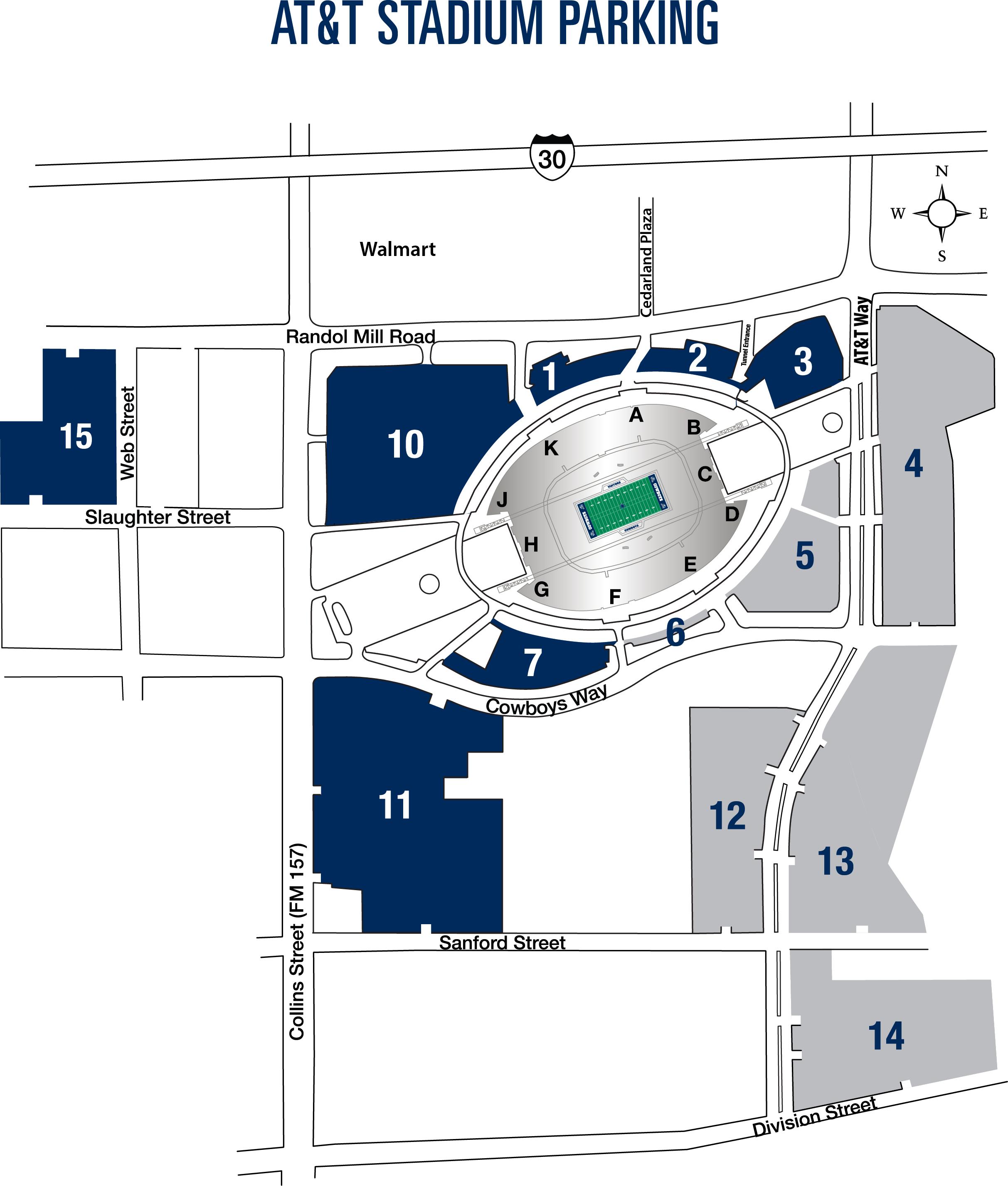
Unlike European venues typically situated near rail or metro stations, AT&T Stadium—branded as “Dallas Stadium” for the tournament—is positioned directly off a major highway. The facility boasts approximately 12,000 on-site parking spaces, with an additional 12,000 available in the immediate vicinity during peak events, according to venue management records. For comparison, the stadium in San Francisco offers more than 31,000 spaces, highlighting a reliance on private vehicle access that forces organizers to treat parking as a primary revenue stream rather than a secondary service.
What are the future trends for transit-scarce host cities?
The reliance on ride-sharing applications and temporary shuttle fleets appears to be the emerging standard for American host cities. Residents in Arlington have increasingly turned to app-based, shared-ride micro-transit to navigate the city, though this remains an imperfect solution for large-scale events. Experts estimate that upgrading the broader American public transit network to meet global standards would require an investment of approximately 4.6 trillion dollars over two decades. Until such funding materializes, tournament organizers are likely to continue relying on temporary, event-specific shuttle networks to bridge the gap between highway-adjacent stadiums and the surrounding urban sprawl.
If you are planning to attend major sporting events in suburban U.S. markets, prioritize booking accommodation within the official “shuttle zone” designated by event organizers. Relying on ride-share apps during peak hours can result in surge pricing and significant wait times.
Frequently Asked Questions
- Is it possible to visit Arlington without a car? While technically possible via ride-sharing apps, the city lacks a formal bus or rail network, making private vehicles the standard mode of transport.
- Why didn’t Arlington build a bus system? Voters rejected public transit funding in multiple referendums between 1980 and 2002, citing cost and social concerns.
- How many parking spaces does the AT&T Stadium have? The stadium offers 12,000 on-site parking spots, with an additional 12,000 available in the immediate vicinity during major events.
Have you navigated a major city with limited public transit? Share your experiences in the comments below or subscribe to our newsletter for more insights into global sports infrastructure.