
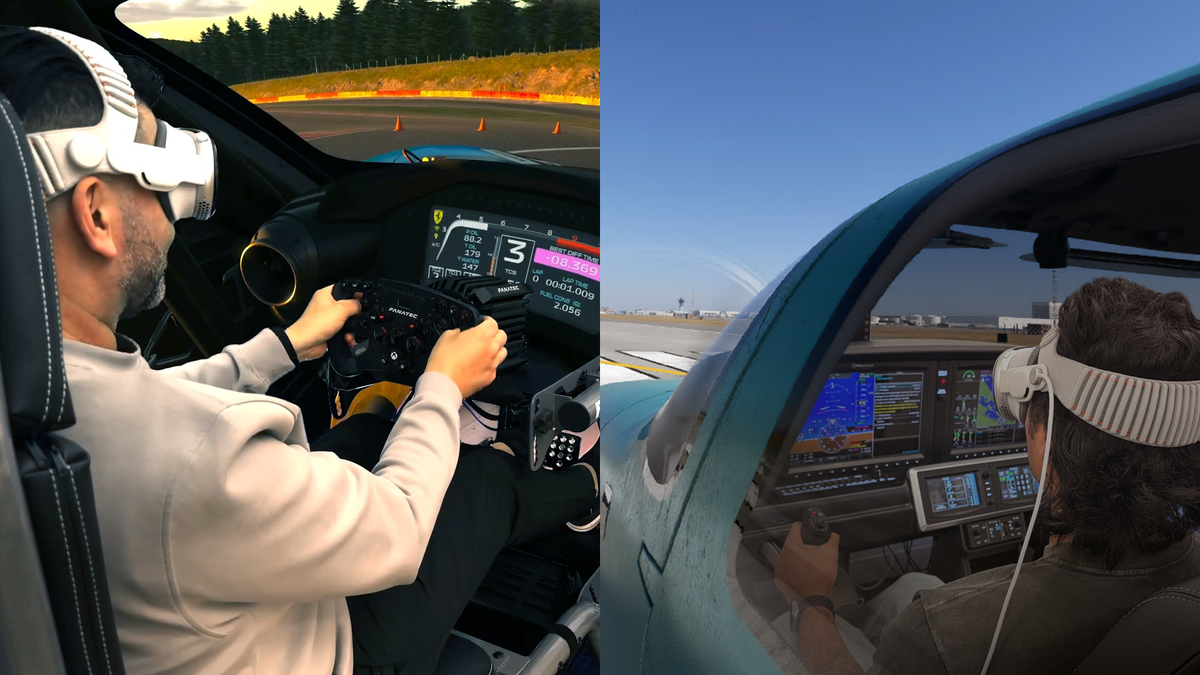
X-Plane & iRacing PC VR Streaming Clients Launched For Apple Vision Pro
The Dawn of “Spatial Simulation”: How Apple Vision Pro is Redefining the Sim Experience
For years, the “holy grail” of simulation—whether you’re piloting a Boeing 747 in X-Plane or hitting the apex at Spa in iRacing—has been total immersion. We’ve tried triple-monitor setups, massive curved screens, and bulky VR headsets that leave us tethered to a PC by a thick umbilical cord of cables.
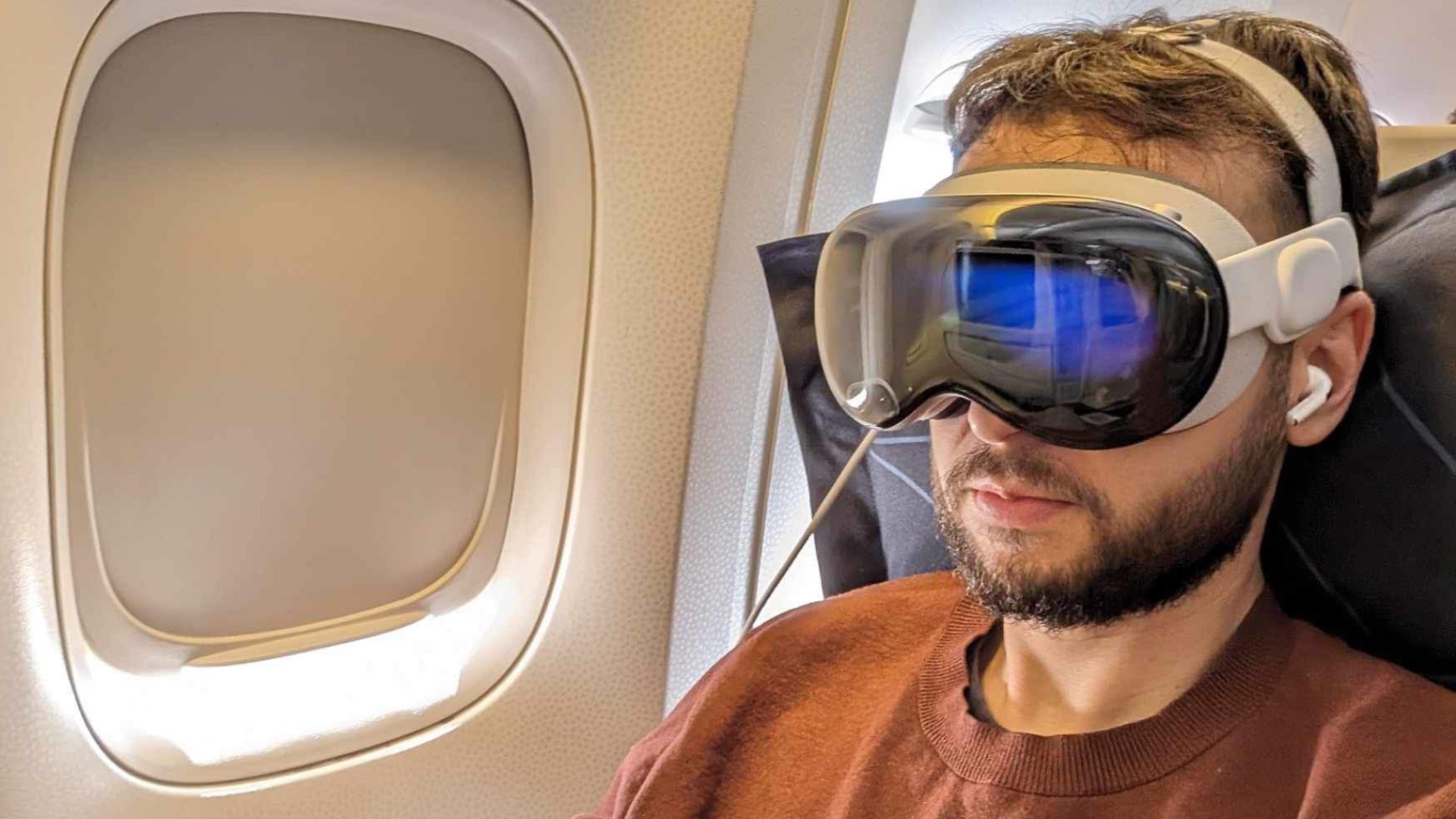
The recent integration of X-Plane 12 and iRacing into the Apple Vision Pro ecosystem via Nvidia CloudXR isn’t just another app update. It represents a fundamental shift in how we interact with high-fidelity software. We are moving away from “playing a game” and toward “stepping into a digital twin” of a cockpit.
Beyond the Tether: The Rise of Wireless High-Fidelity
The biggest hurdle for PCVR has always been the compromise between quality and convenience. To get the visuals required for a flight sim, you usually need a cable. But the shift toward OS-level foveated streaming is changing the math.
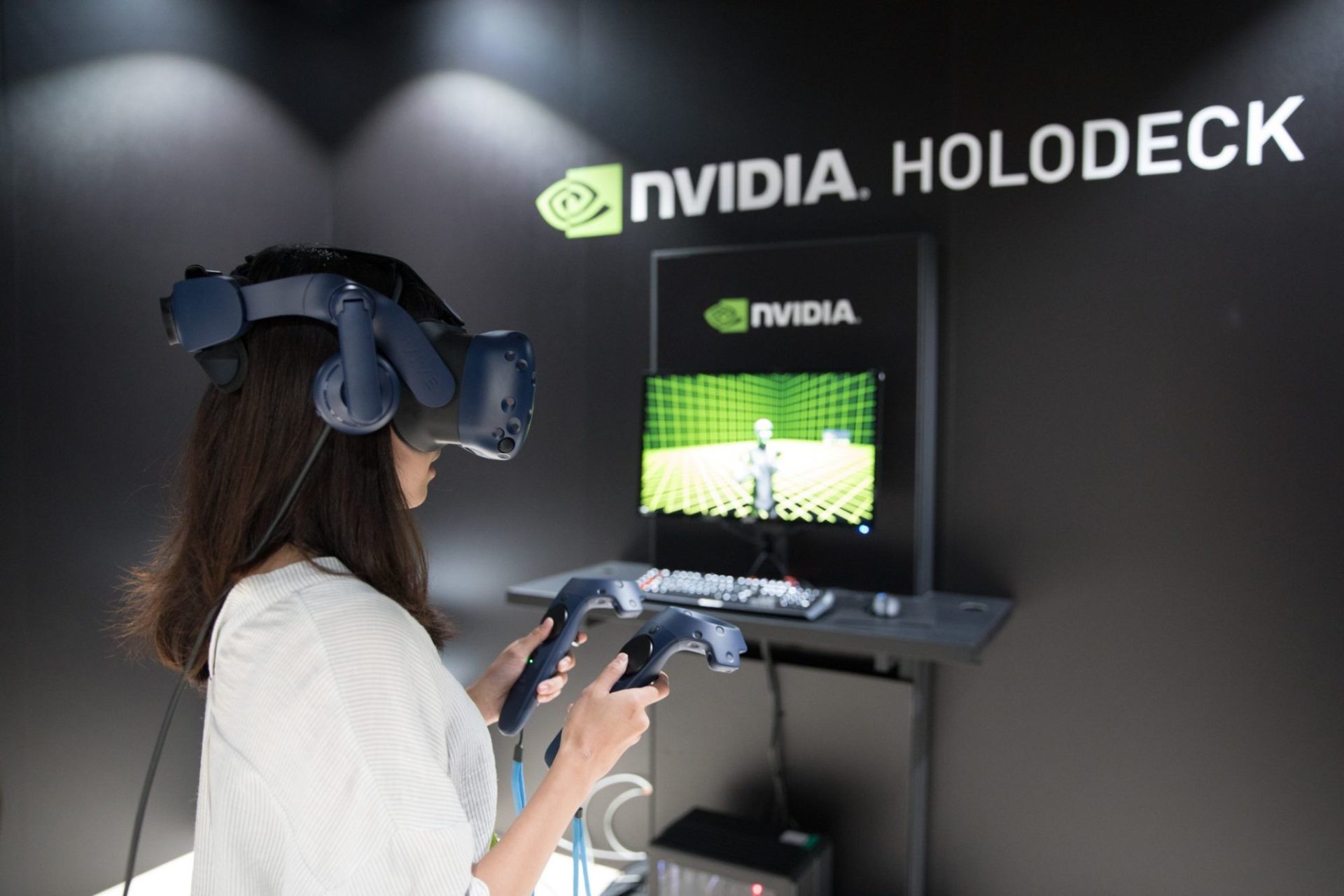
By leveraging Nvidia’s CloudXR SDK, the Vision Pro can stream incredibly dense environments from a local PC. This removes the “screen door effect” and the physical constraints of wires, allowing pilots and drivers to move more naturally within their space.
Looking ahead, this trend suggests a future where the “gaming PC” becomes a headless server tucked away in a closet, while the headset acts as a high-resolution window into that world. We are seeing the transition from hardware-centric gaming to experience-centric spatial computing.
The “Tactile Gap”: Blending Physical Gear with Virtual Worlds
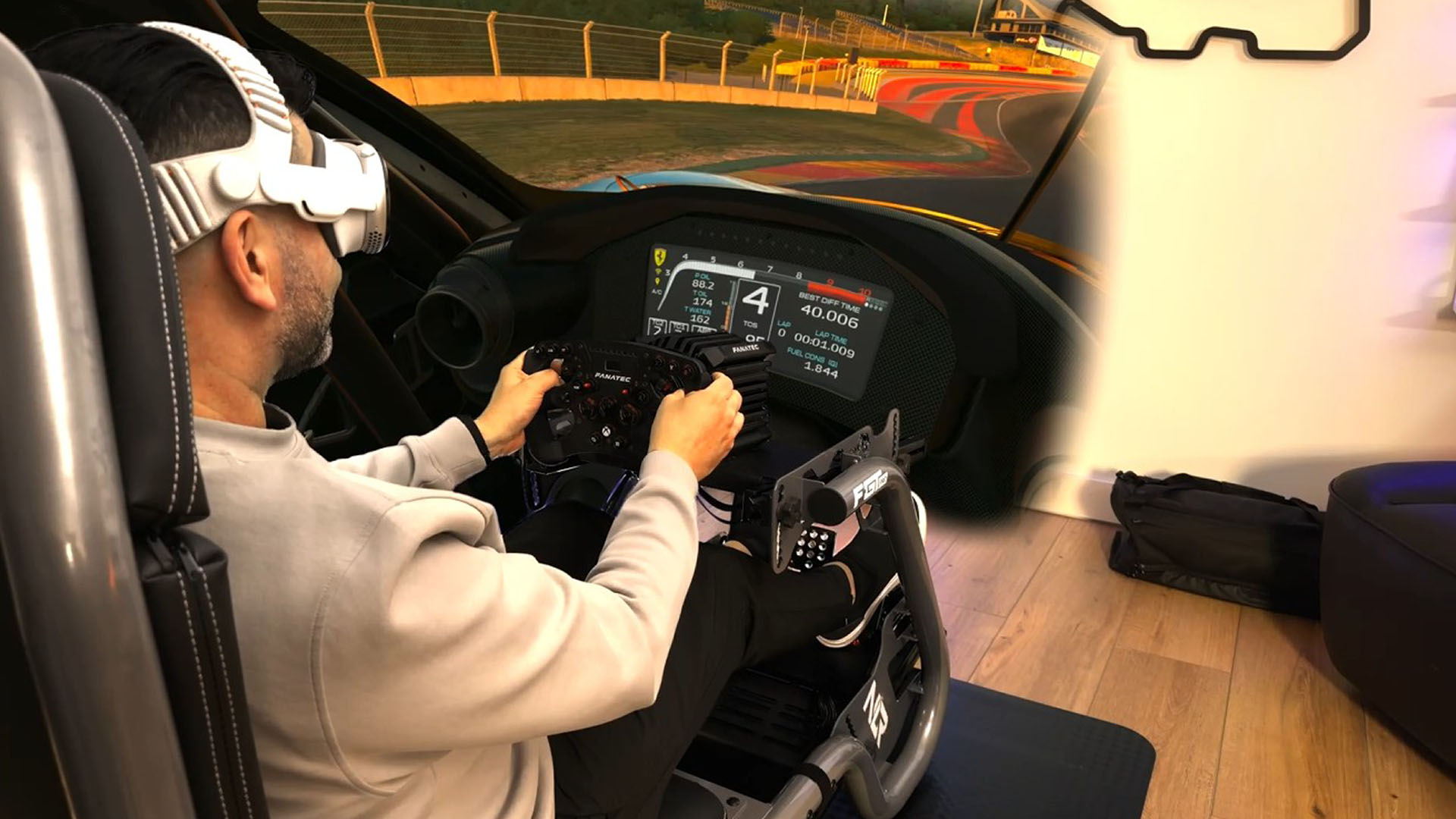
One of the most frustrating parts of VR simulation is “ghost hands”—the feeling of reaching for a gear shifter or a throttle quadrant that you can’t actually see. The use of camera passthrough to blend physical accessories into the VR environment is the solution to this disconnect.
When iRacing automatically segments out your physical racing wheel using ARKit, it solves a psychological barrier. Your brain no longer has to fight the dissonance between what you feel (leather and metal) and what you see (a digital cockpit).
This “Mixed Reality Simulation” (MR Sim) is where the industry is headed. Imagine a flight sim where your entire home office disappears, but your physical flight yoke, pedals, and radio stack remain perfectly visible and anchored in space. This hybrid approach increases safety, reduces motion sickness, and heightens realism.
The Hardware Gatekeeper: The Nvidia Dependency
While the software is evolving, there is a catch: the hardware barrier. Currently, these high-end streaming features are locked behind Nvidia’s Ada and Blackwell architectures (RTX 40-series and 50-series).
This creates a tiered ecosystem. Those with the latest GPUs enjoy a seamless, foveated experience, while others are left with traditional, more taxing streaming methods. This trend indicates that “Spatial Computing” will drive a new cycle of GPU demand, where the focus shifts from raw frame rates to streaming efficiency and AI-driven rendering.
As more developers adopt OpenXR standards, You can expect this technology to trickle down to other hardware, but for now, the “gold standard” of simulation is inextricably linked to high-end Nvidia silicon. For more on the latest GPU benchmarks, check out our guide to the best GPUs for VR.
What This Means for the Future of Training and Leisure
The implications extend far beyond gaming. Professional aviation and automotive training are already eyeing these developments. The ability to stream a high-fidelity simulator to a lightweight, wireless headset—while maintaining the use of physical controls—slashes the cost of training infrastructure.
Instead of building a multi-million dollar physical cockpit, companies can invest in a few high-end PCs and a fleet of spatial headsets, creating a scalable, flexible training environment that can be deployed anywhere in the world.
Frequently Asked Questions
Do I need a cloud subscription to use CloudXR?
No. Despite the name, in the case of X-Plane and iRacing, the “cloud” is actually your own local gaming PC acting as the server.
Can I use any VR headset for foveated streaming?
Foveated streaming requires hardware-level eye tracking. While some high-end headsets have this, the integration seen in visionOS 26.4 is specifically optimized for the Apple Vision Pro’s sensors.
Will this work with AMD graphics cards?
Currently, these specific foveated streaming clients rely on Nvidia’s proprietary SDK and require RTX 40-series or 50-series GPUs.
What do you think? Is the blend of physical gear and virtual cockpits the future of sim racing, or do you prefer the total immersion of a fully virtual world? Let us know in the comments below, or subscribe to our newsletter for more deep dives into the future of spatial computing!