
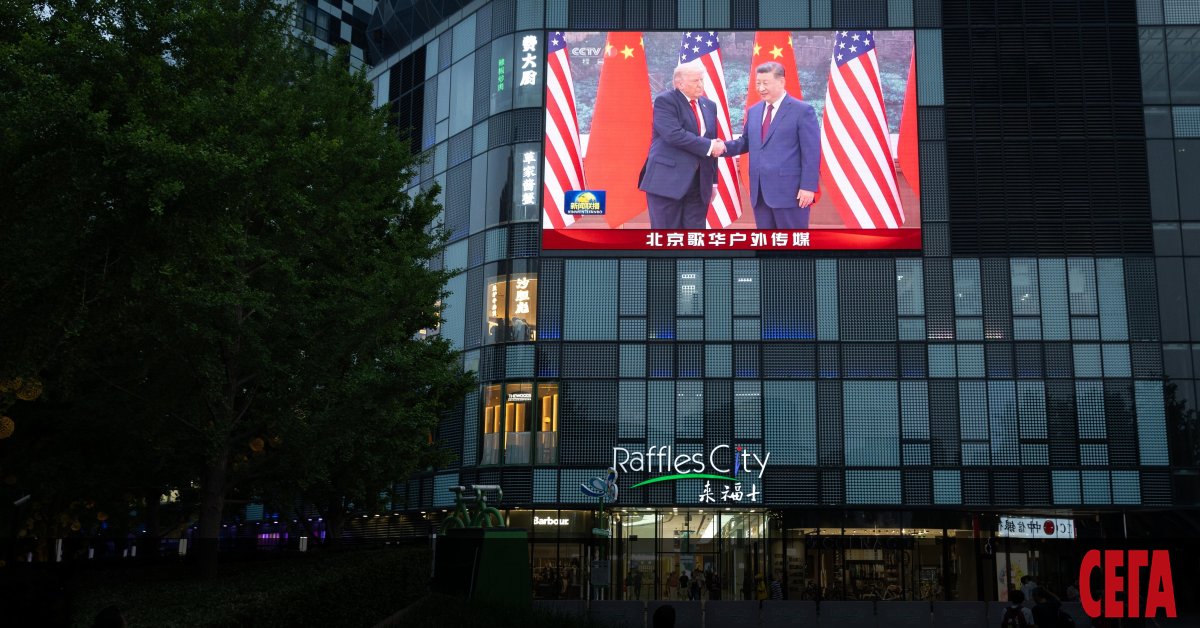
Xi Jinping Criticizes Japan Remilitarization During Tense Meeting with Trump
The recent summit in Beijing between Chinese leader Xi Jinping and U.S. President Donald Trump took an unexpectedly tense turn, centered not on bilateral trade, but on the shifting security posture of Japan. According to reports, the Chinese leadership expressed intense irritation regarding Prime Minister Sanae Takaichi’s administration, specifically targeting Tokyo’s recent moves toward what Beijing characterizes as “remilitarization.”
A Shift in Regional Dynamics
For the American delegation, the intensity of the discussion was a surprise, as Japan had not been a primary focus of pre-summit communications. When challenged by Xi on Japan’s rising defence expenditures, President Trump maintained that Tokyo is responding to the tangible security threat posed by North Korea. This diplomatic friction underscores the widening gap between Beijing’s interpretation of Japanese policy and the strategic rationale provided by Tokyo and Washington.
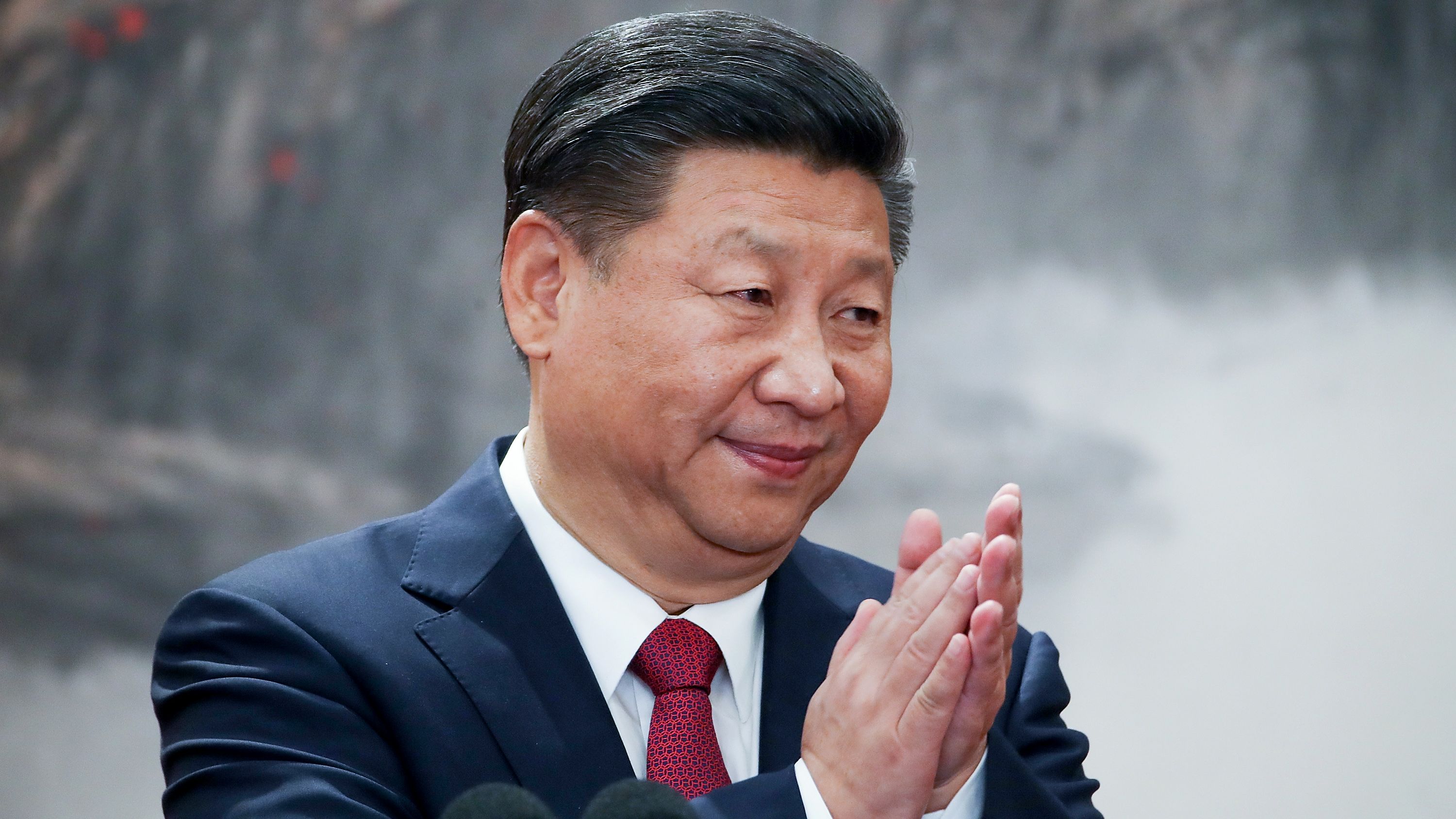
Following the summit, Prime Minister Takaichi held a confidential briefing with President Trump to reaffirm the U.S.-Japan alliance. While maintaining discretion regarding the specifics of their conversation, Takaichi confirmed that the two leaders coordinated on Indo-Pacific security and economic concerns, signaling a continued alignment of interests despite Beijing’s vocal opposition.
In April 2026, Japan enacted a major policy shift by removing long-standing restrictions on the export of lethal weapons, a move described by international observers as a historic pivot for the nation.
Implications for the Indo-Pacific
The current volatility in Sino-Japanese relations stems from a fundamental disagreement over regional stability. Since November 2025, Prime Minister Takaichi has explicitly linked a potential Chinese attack on Taiwan to an “existential threat” for Japan, suggesting that such a scenario could necessitate the involvement of Japanese military forces. This stance represents a significant departure from Tokyo’s post-World War II position as a strictly “peaceful state.”
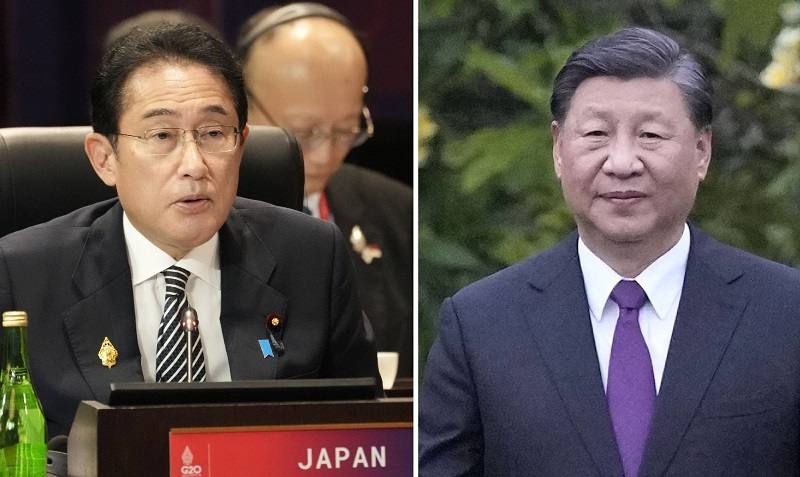
Japan’s latest defence reporting increasingly identifies China as a more pressing security challenge than North Korea. The upcoming 2026 defence report is expected to highlight Tokyo’s “serious concern” regarding the deepening military cooperation between Beijing and Moscow, further complicating the regional security architecture.
The escalation of rhetoric between Beijing and Tokyo indicates that Japan’s defence policy is no longer viewed by China as a domestic matter, but as an integral component of the U.S.-led security framework in the Indo-Pacific. The shift toward more flexible export rules for defence equipment suggests that Japan is preparing for a future where its industrial and military capabilities play a more active role in regional deterrence.
Potential Future Developments
Looking ahead, the tension surrounding Japan’s defence trajectory is likely to remain a primary friction point in U.S.-China relations. If Japan continues to integrate its security concerns more closely with regional contingencies—such as the status of Taiwan—Beijing may increase its diplomatic and economic pressure on Tokyo. Conversely, as Japan navigates its new defence policies, the international community will be watching to see how the government balances its “peaceful state” identity with the practical demands of its evolving security alliances.
Frequently Asked Questions
Why is China criticizing Japan’s current defence policy?
Beijing has labeled Japan’s recent legislative and policy changes, including the removal of lethal weapon export restrictions, as a process of “remilitarization.”
How does Japan justify its increased focus on defence?
The Japanese government cites the growing threat from North Korea and, more recently, has identified the potential for conflict regarding Taiwan as an “existential threat” to its national security.
What was the outcome of the post-summit call between Takaichi and Trump?
The two leaders reaffirmed the U.S.-Japan alliance and confirmed they are coordinating closely on economic and security issues concerning the Indo-Pacific region.
How do you believe the ongoing shifts in Japanese defence policy will impact the long-term stability of the Indo-Pacific region?