

Xiaomi HyperOS 4: Android 17 Supported Devices and Features
Xiaomi is developing HyperOS 4 based on Android 17, according to a report from Gizmochina. The update focuses on a redesigned system architecture and the integration of generative AI productivity tools. Xiaomi expects to launch the software in China during July or August, with a global rollout scheduled for the autumn.
Which Xiaomi devices will get HyperOS 4?
A preliminary list from Gizmochina indicates that HyperOS 4 will support a wide range of Xiaomi, Redmi, and POCO hardware. The update targets high-end flagships, mid-range productivity devices, and several tablet models.
Xiaomi Series
- Xiaomi 17, 17 Ultra, 17T, 17T Pro
- Xiaomi 15, 15 Pro, 15 Ultra, 15T, 15T Pro
- Xiaomi 14, 14 Pro, 14 Ultra, 14T, 14T Pro, 14 Civi
- Xiaomi 13T, 13T Pro
- Xiaomi Mix Flip
Redmi Series
- Redmi Note 15 (Standard, 4G, Pro, Pro 4G, Pro+, Special)
- Redmi Note 14 (4G, Pro, Pro+, 14S)
- Redmi Turbo 5
- Redmi 15 (Standard, 4G, 15C, 15C 4G, 15A)
- Redmi A7, A7 Pro, A7 Pro 4G, A5
- Redmi Pad 2, Pad 2 Pro, Pad 2 9.7
POCO Series
- POCO F8 Pro, F8 Ultra
- POCO F7, F7 Pro, F7 Ultra
- POCO F6, F6 Pro
- POCO X8 Pro, X8 Pro Max
- POCO X7, X7 Pro
- POCO X6 Pro
- POCO M8, M8s, M8 Pro
- POCO M7 4G, M7 Plus
- POCO C85, C85 4G, C85x
- POCO C81, C81 Pro, C81x
- POCO C71
- POCO Pad X1, POCO Pad M1, POCO Pad C1
What new features are coming to HyperOS 4?
HyperOS 4 will move beyond simple feature additions to rebuild the system architecture. According to industry sources cited by Gizmochina, the goal is a leaner, more modern foundation that aligns with Android 17’s core structure.
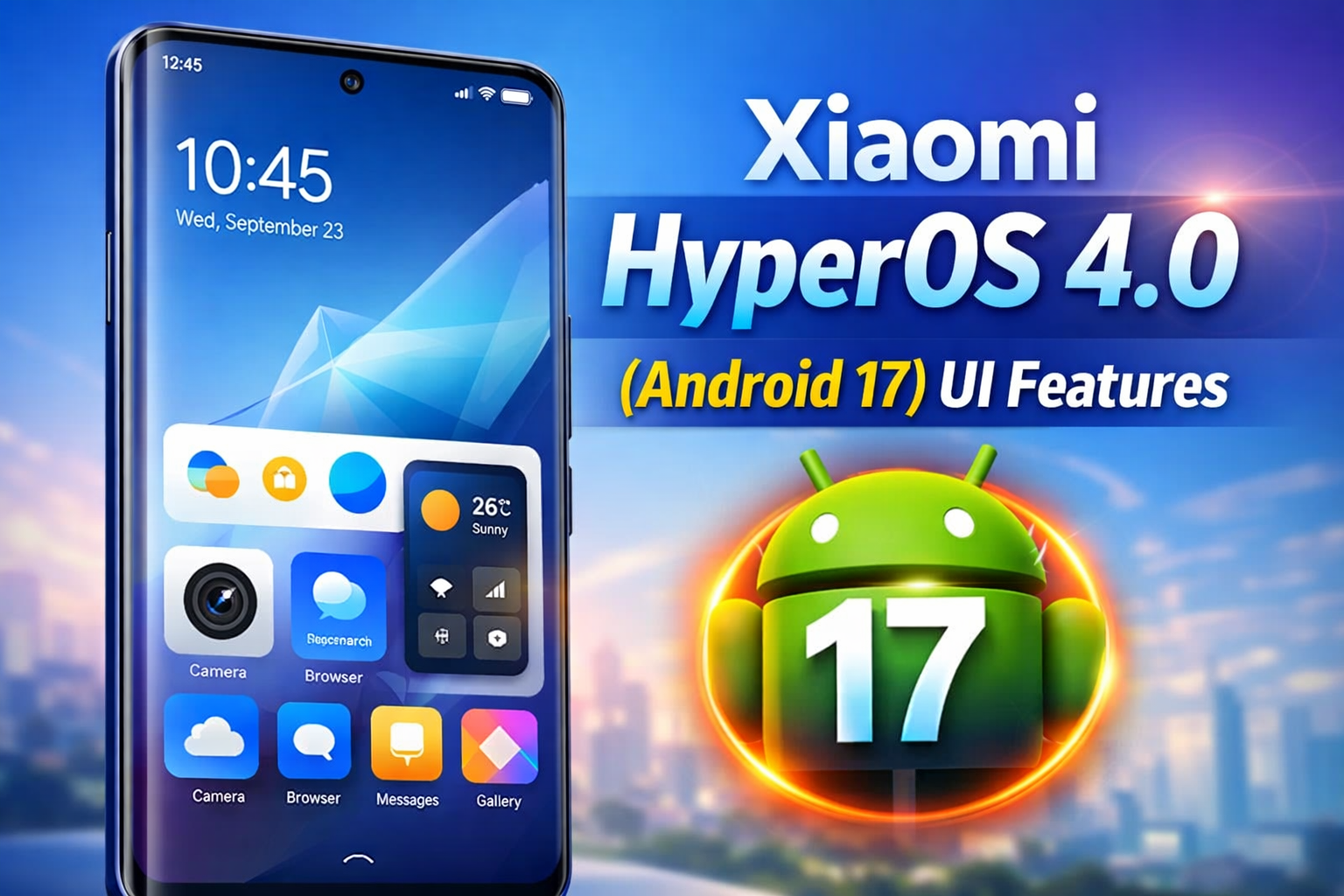
The user interface is expected to feature “liquid glass” visual effects. This marks a shift from the flatter design language of previous versions. Other reported upgrades include interactive lock screens and enhanced multitasking capabilities to improve performance during heavy workloads.
AI integration remains a primary focus. The update will introduce productivity-oriented AI tools and expanded privacy settings. These changes aim to automate routine tasks and give users more granular control over their data.
When will HyperOS 4 be released?
The rollout follows Xiaomi’s traditional phased approach. Gizmochina reports that the software will debut in China in July or August. This initial launch serves as a testing ground for the general public.
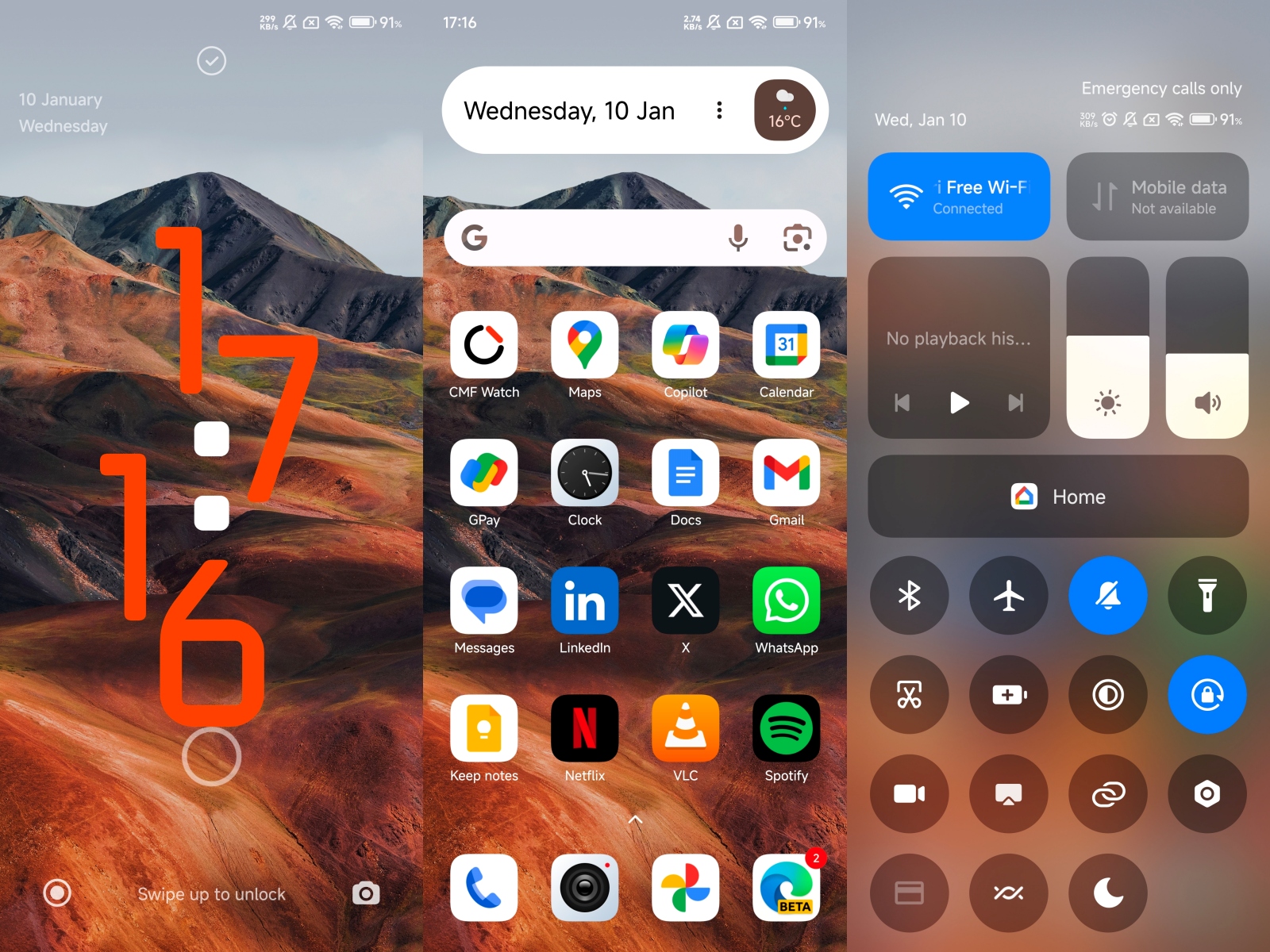
Following the China release, Xiaomi will conduct extensive beta testing. The global distribution is expected to begin in the autumn. This timeline suggests that users outside China will receive the update several months after the initial announcement.
How does HyperOS 4 compare to previous versions?
While HyperOS 1 and 2 focused on breaking away from MIUI, HyperOS 4 targets system efficiency. By leveraging Android 17, Xiaomi is reducing software bloat. The reported move toward “liquid glass” effects suggests a more organic, depth-based UI compared to the static layouts of HyperOS 2.
The inclusion of Android 17 as a base allows Xiaomi to implement deeper system-level AI than was possible in earlier iterations. This shifts the AI from being a set of “apps” to being a part of the operating system’s core logic.
Frequently Asked Questions
According to the Gizmochina list, support extends back to the Xiaomi 14 and 13T series, but older legacy devices are not listed for this specific Android 17 update.
No. Android 17 is the base operating system developed by Google. HyperOS 4 is Xiaomi’s custom interface and set of features built on top of that base.
Global distribution is expected in the autumn, following the China launch in July or August.
Do you think the “liquid glass” UI will improve the user experience, or is it just a visual gimmick? Let us know in the comments below or subscribe to our newsletter for the latest software update alerts.