
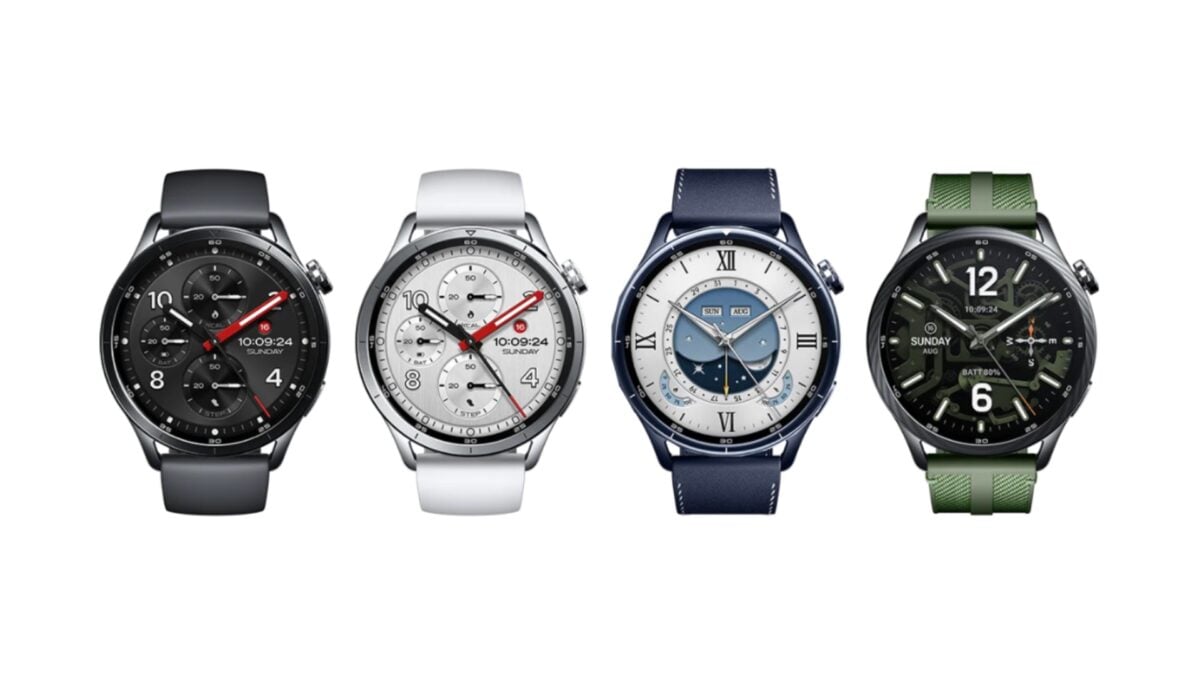
Xiaomi Watch S5 Launches With Impressive 21-Day Battery Life
The End of Battery Anxiety: Why 21 Days is the New Gold Standard
For years, the smartwatch industry has been locked in a frustrating trade-off. You could either have a “true” smartwatch—packed with apps and connectivity but requiring a nightly trip to the charger—or a fitness tracker that lasted weeks but felt like a glorified pedometer.

The arrival of devices like the Xiaomi Watch S5, boasting a staggering 21-day battery life on a single charge, signals a paradigm shift. We are moving toward an era where “battery anxiety” is no longer a prerequisite for owning a high-end wearable.
This leap isn’t just about bigger batteries, such as the 815mAh cell found in the S5; it’s about the optimization of operating systems. By balancing high-performance modes with aggressive power-saving states, manufacturers are proving that you don’t have to sacrifice a vibrant AMOLED display to get longevity.
Hyper-Specialization: Beyond the Step Counter
We’ve moved past the era where a heart rate monitor and a step counter were enough to call a watch “healthy.” The next frontier in wearables is hyper-specialization.

Modern devices are now integrating professional-grade modes for niche activities, such as advanced skiing and cycling metrics. This shift transforms the smartwatch from a general wellness tool into a specialized piece of sports equipment. When a watch can turn your smartphone into a dedicated bike computer, it eliminates the need for bulky, expensive standalone hardware.
However, a gap remains between “lifestyle” fitness and “medical” grade diagnostics. While many watches offer 150+ sports modes, the integration of EKG sensors and blood pressure monitoring remains a high-barrier feature due to regulatory hurdles. The trend is moving toward “predictive health”—where your watch doesn’t just tell you that you slept poorly, but warns you that you’re becoming ill before you feel the first symptom.
The Ecosystem Trap: The Rise of the ‘Smart Hub’
The industry is shifting away from standalone gadgets toward integrated ecosystems. The concept of the “Smart Hub” on your wrist means your watch is no longer just a phone accessory; it’s the remote control for your entire life.
When a wearable integrates seamlessly with a brand’s home ecosystem, it can control lights, lock doors, and manage home security. This “walled garden” approach creates immense user loyalty. While these devices often work with any smartphone via third-party apps, the most powerful features are reserved for those who buy into the full brand suite.
This trend is mirrored in the automotive industry, where your smartwatch is increasingly becoming your digital car key and vehicle health monitor, further blurring the line between personal tech and infrastructure.
Democratizing Premium Tech: The Price War
For a long time, “premium” meant a $400+ price tag from a handful of dominant players. We are now seeing a “democratization” of hardware. High-end materials like sapphire glass and high-density AMOLED screens are appearing in devices priced under $200.
This puts immense pressure on legacy brands to either innovate faster or lower their margins. As global brands expand their reach into Europe and Asia, the competition is driving a race to the bottom on price and a race to the top on specs.
For the consumer, this means the “entry-level” smartwatch of today is more powerful than the flagship of three years ago. The focus is shifting from if a watch can do something to how efficiently it can do it.
Wearable Tech FAQ
Q: Why do some smartwatches last 21 days while others last only 24 hours?
A: It comes down to the OS and the display. Watches with “full” app stores (like Wear OS) consume more power. Watches using lightweight, proprietary OSs focus on efficiency and specific tasks, allowing the battery to last much longer.
Q: Do I need a specific brand of phone to use a smartwatch?
A: Most modern smartwatches are compatible with both Android and iOS via a dedicated app. However, “ecosystem features” (like seamless syncing or home control) usually require a phone from the same manufacturer.
Q: Is a higher mAh battery always better?
A: Not necessarily. A larger battery adds weight and bulk. The real metric is “battery density” and how well the software manages power consumption.
What do you value more in a smartwatch: a massive app library or a battery that lasts for weeks? Let us know in the comments below, or subscribe to our newsletter for the latest deep dives into the future of wearable tech!