

You can now pick up a 65-inch 4K Fire TV for less than $300
A 65-inch QLED 4K television now costs under $300, according to current pricing for the Insignia Fire TV. This price drop signals a broader industry shift where Quantum Dot technology and high-dynamic-range (HDR) formats like Dolby Vision are becoming standard in budget-tier home entertainment, removing the previous cost barrier to premium picture quality.
Why is QLED technology becoming affordable for budget buyers?
Quantum Dot technology, once reserved for high-end displays, now appears in entry-level sets like the Insignia 65-inch QLED. According to product specifications, these panels use a layer of quantum dots to increase brightness and color saturation beyond what standard LED panels achieve.
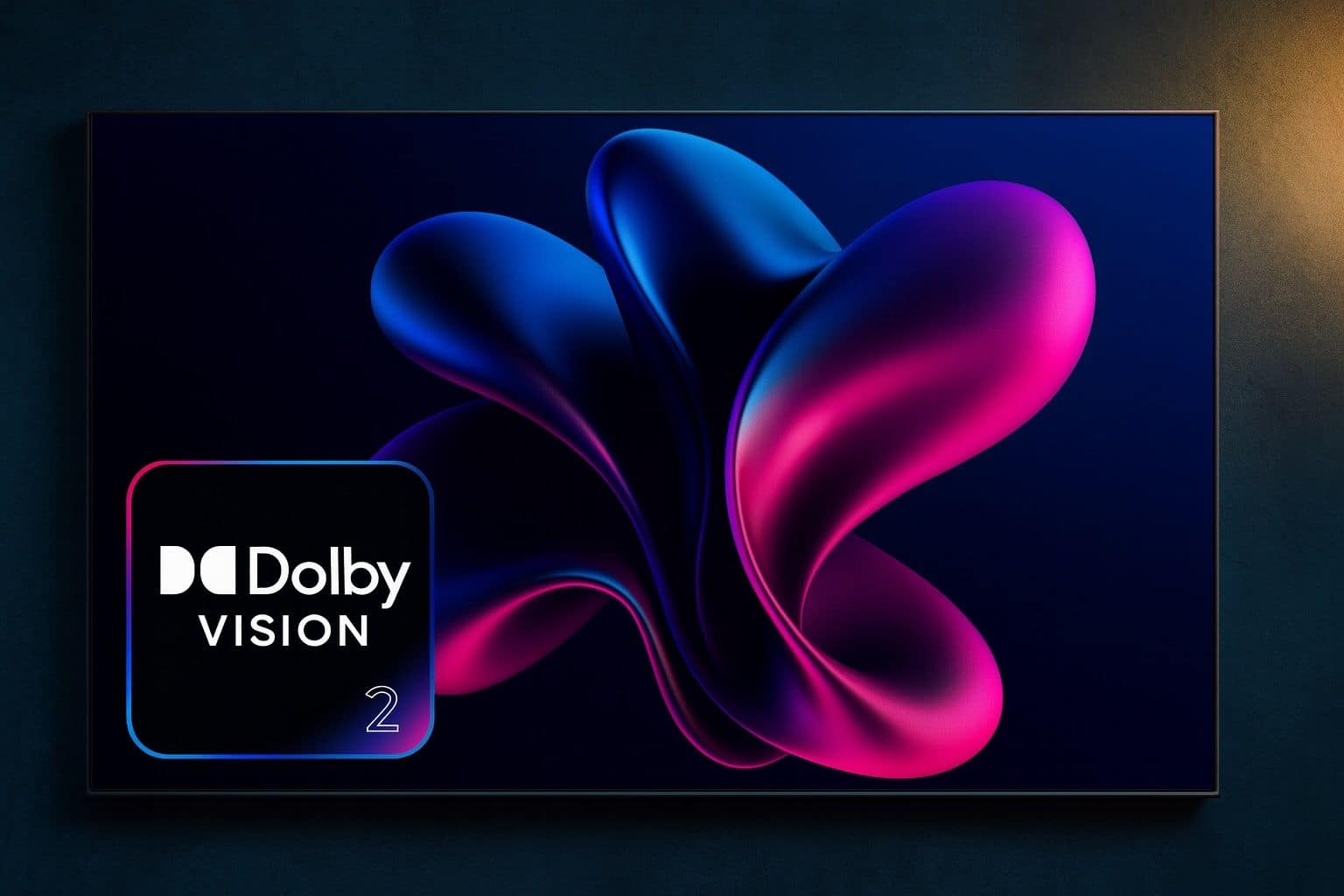
Manufacturing efficiencies have lowered the cost of these materials. This allows a 65-inch panel to maintain uniform brightness across a larger surface area without the price premium seen in previous years. The result is a market where 4K resolution and enhanced color accuracy are no longer luxury add-ons but baseline expectations for consumers.
How does integrated software impact the hardware market?
The integration of full smart platforms, such as Fire TV, eliminates the need for external streaming hardware. The Insignia QLED provides direct access to over 500,000 streaming titles and services including Netflix, Disney+, and Apple TV+ natively.
This shift toward “all-in-one” hardware changes how consumers shop. Voice control via built-in Alexa allows users to bypass complex menus for searching content or checking live sports scores. Additionally, the inclusion of Apple AirPlay ensures that these budget-friendly sets remain compatible with ecosystems outside of Amazon.
Industry data suggests that the convergence of the operating system and the display reduces cable clutter and simplifies the user experience, making large-format screens more accessible to non-technical users.
What are the remaining trade-offs in budget 4K TVs?
While color and resolution have trickled down to budget models, motion handling remains a key differentiator. The Insignia 65-inch QLED operates at a 60Hz refresh rate. High-end gaming monitors and premium TVs often feature 120Hz or higher.
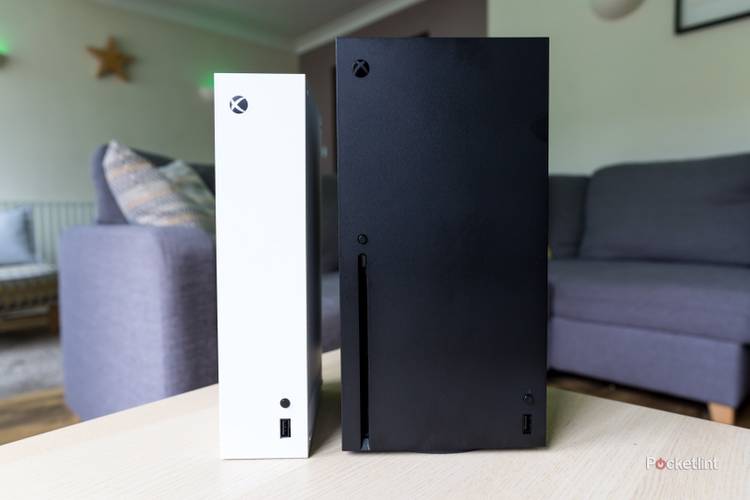
For the average viewer watching movies or sports, 60Hz is sufficient. However, for competitive gaming on next-generation consoles, a 60Hz limit can result in less fluid motion during fast-paced sequences. This creates a clear divide in the market: budget sets prioritize screen size and color, while enthusiast sets prioritize frame rates and response times.
Comparing Budget QLED vs. Standard LED
The transition from standard LED to QLED represents a significant jump in visual fidelity. Standard LEDs rely on a backlight filtered through a color layer, which can lead to muted tones. QLEDs use nanoparticles to produce more precise primary colors.

According to the Insignia specifications, the combination of 4K resolution and direct LED backlighting helps maintain clean sequences in fast-moving content, such as soccer matches. This solves a common problem in larger budget screens where uneven lighting often becomes visible as the panel size increases.
Frequently Asked Questions
What is the difference between 4K and QLED?
4K refers to the resolution (the number of pixels on the screen), while QLED refers to the screen technology (how those pixels produce color and light).
Is a 60Hz refresh rate okay for watching sports?
Yes. Most broadcast sports are transmitted at rates that fit within a 60Hz window, making it a practical choice for the majority of viewers.
Do I need an extra box for streaming apps?
No. TVs with built-in platforms like Fire TV have the apps integrated directly into the hardware.
Want to stay updated on the latest home cinema deals and tech trends? Subscribe to our newsletter or leave a comment below telling us which feature you value most in a new TV.