

Youtube platforming members sanctioned by US for supporting IRGC, TTP says
YouTube hosted channels for US-sanctioned Iranian entities, including President Masoud Pezeshkian and the state broadcaster IRIB, according to a Tech Transparency Project (TTP) report. While Google removed 63 channels following the report, TTP alleges the platform may have violated US sanction laws and exposed advertisers to security threats.
Why were sanctioned Iranian entities operating on YouTube?
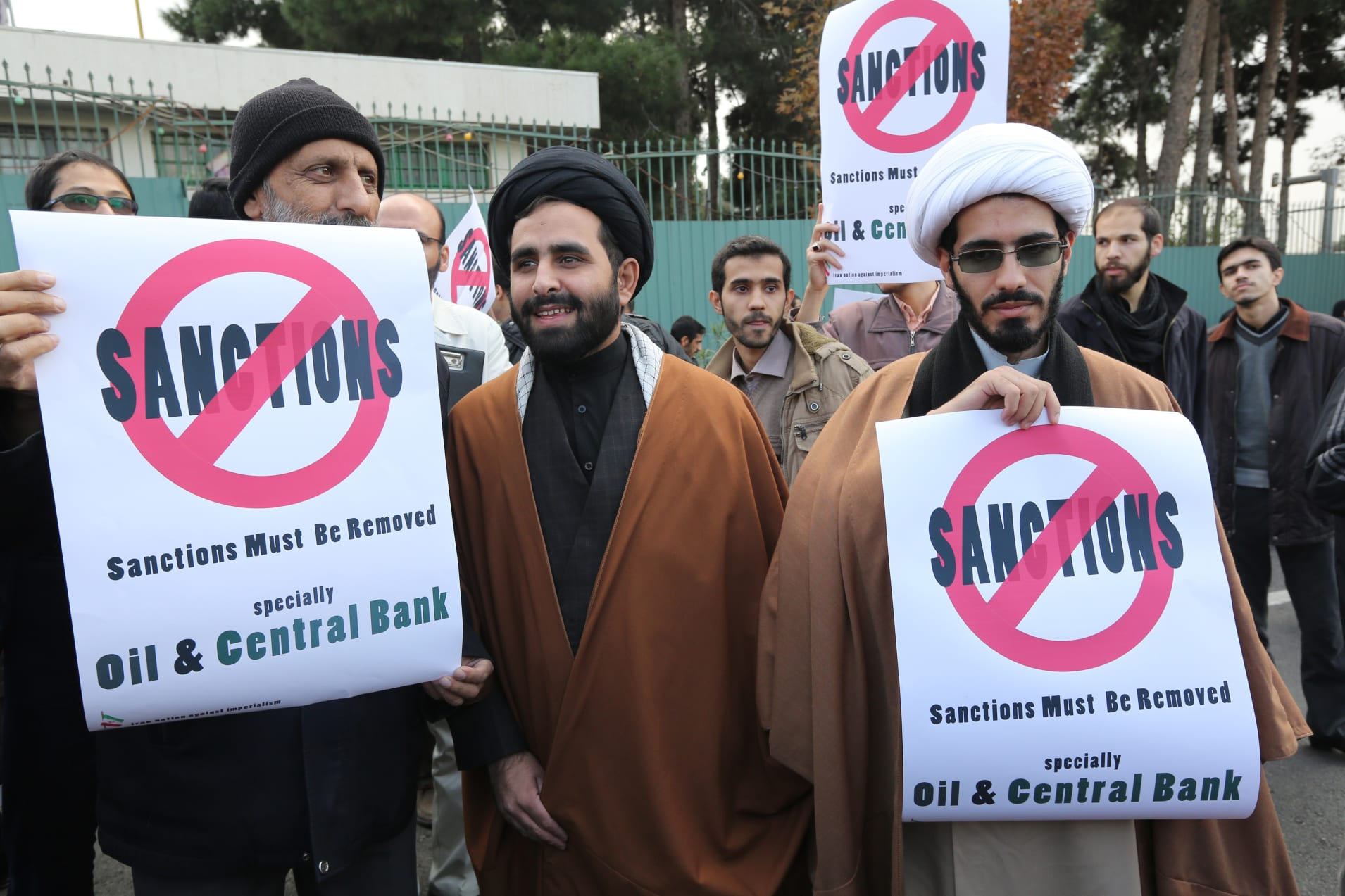
A report from the Tech Transparency Project, a research initiative by the nonprofit Campaign for Accountability, found that numerous individuals and companies under US Treasury Department sanctions maintained active YouTube presences. These included high-ranking officials like Iranian President Masoud Pezeshkian and cleric Mohammed Mehdi Mirbagheri.
The TTP identified several high-risk actors on the platform. Babak Zanjani, a businessman sanctioned for helping the IRGC evade sanctions via money laundering, operated multiple channels, including two for his holding company, DotOne. Under the Office of Foreign Assets Control (OFAC) 50% rule, any company owned or controlled 50% or more by a sanctioned individual is also subject to sanctions.
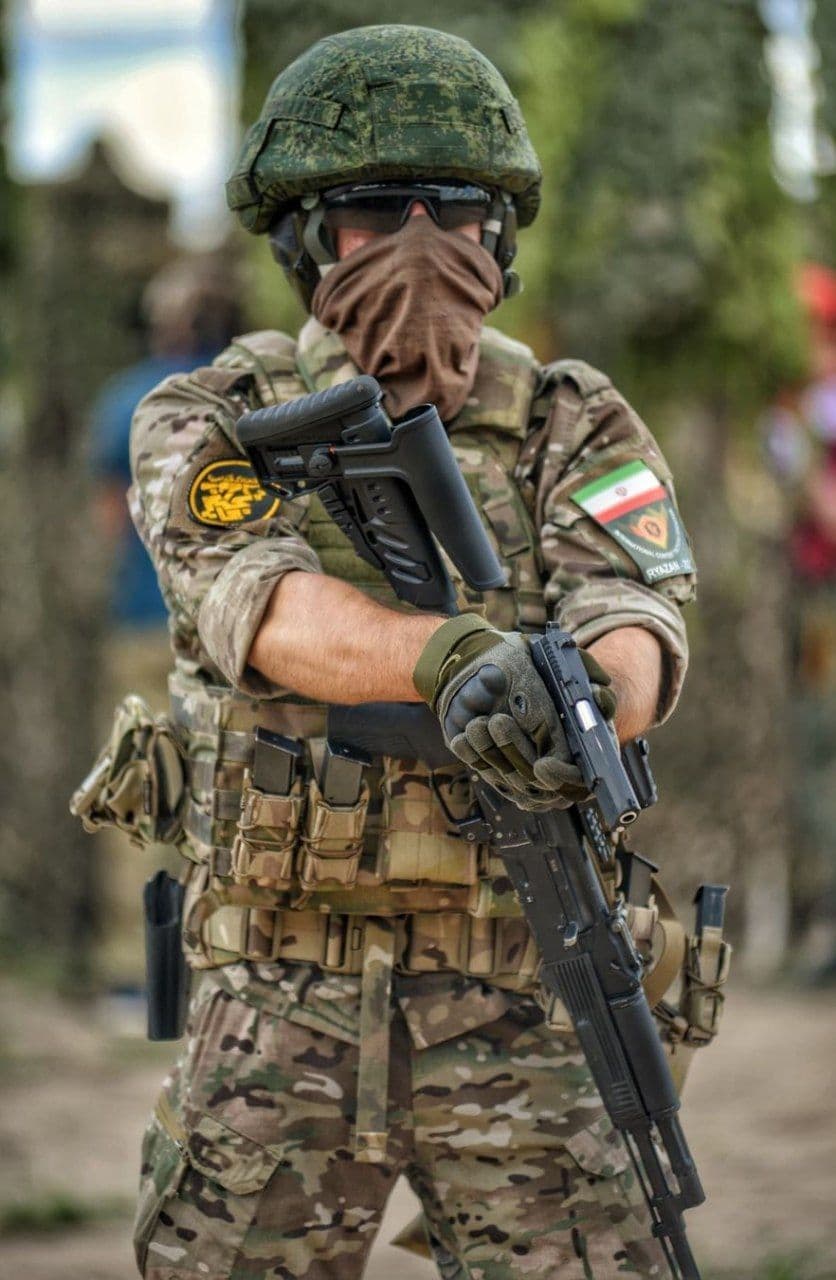
The list extends to security units and diplomats. TTP cited an Iranian special forces unit accused of using lethal force on unarmed protestors and Ali Akbar Velayati, an advisor to Iran’s supreme leader. Velayati was sanctioned in 2019 for oil sales to the Assad regime and his connection to a 1994 antisemitic attack in Buenos Aires.
How did crypto exchanges and foreign firms bypass filters?
The TTP report highlights a systemic failure in filtering financial entities. Nobitex, Iran’s largest digital asset exchange, maintained a channel despite being sanctioned on June 2 for facilitating payments tied to terrorist activities and IRGC transactions. Other exchanges like Wallex, Bitpin, and Ramzinex also had active accounts.
The breach extends beyond Iranian borders. Surabaya Hobby CV, an Indonesian company sanctioned in December 2023 for providing drone components to Iran, reportedly opened a YouTube channel in October 2024. This indicates a gap between the timing of official US sanctions and platform enforcement.
One specific instance of platform failure involved an advertisement on the channel for Iran’s Cultural Heritage Ministry. The ad encouraged viewers to apply for jobs with US Customs and Border Protection, creating a direct paradox where a sanctioned entity advertised for a US government agency.
What is the risk to advertisers and national security?
TTP warns that as long as these channels remain, advertisers are vulnerable to having their brands appear alongside content from organizations the US deems threats to national security. Because YouTube allows advertisements on these channels, the platform likely profited from their presence.
Google spokesperson Nate Funkhouser told Wired that the company is “committed to compliance with applicable sanctions and trade compliance laws.” He stated that Google takes “appropriate action” when accounts are found to violate policies.
The immediate result of the TTP report was the removal of 63 channels. However, the “whack-a-mole” nature of these accounts suggests that automated detection systems are currently insufficient to track the complex web of sanctioned ownership.
What happens next for platform compliance?
This development places Google under increased scrutiny from the US Treasury Department. The gap between the December 2023 sanctioning of Surabaya Hobby CV and its October 2024 channel creation suggests that platforms are reacting to reports rather than proactively scanning OFAC lists.
Industry trends suggest a move toward more aggressive “Know Your Customer” (KYC) requirements for channel monetization. If platforms cannot verify the ultimate beneficial owner of a corporate account, they may face steeper fines for facilitating sanctions evasion.
Comparison of Sanctioned Entity Presence
| Entity Type | Example from TTP Report | Sanction Reason |
|---|---|---|
| Government Official | Masoud Pezeshkian | Support for Islamic regime |
| Financial/Crypto | Nobitex | IRGC-linked transactions |
| Foreign Proxy | Surabaya Hobby CV | Drone components for Iran |
Frequently Asked Questions
What is the Tech Transparency Project (TTP)?
TTP is a research initiative established by the nonprofit group Campaign for Accountability that monitors the influence of big tech and its impact on human rights and security.
Did YouTube profit from these channels?
TTP alleges that by allowing advertisements to run on sanctioned channels, YouTube likely profited from their presence, though it is not yet clear how much total revenue was generated.
How did Google respond to the findings?
A spokesperson stated the company is committed to sanctions compliance, and 63 of the identified channels were removed shortly after the report was published.
Want to stay updated on the intersection of Big Tech and global security? Subscribe to our newsletter or leave a comment below to share your thoughts on platform accountability.