
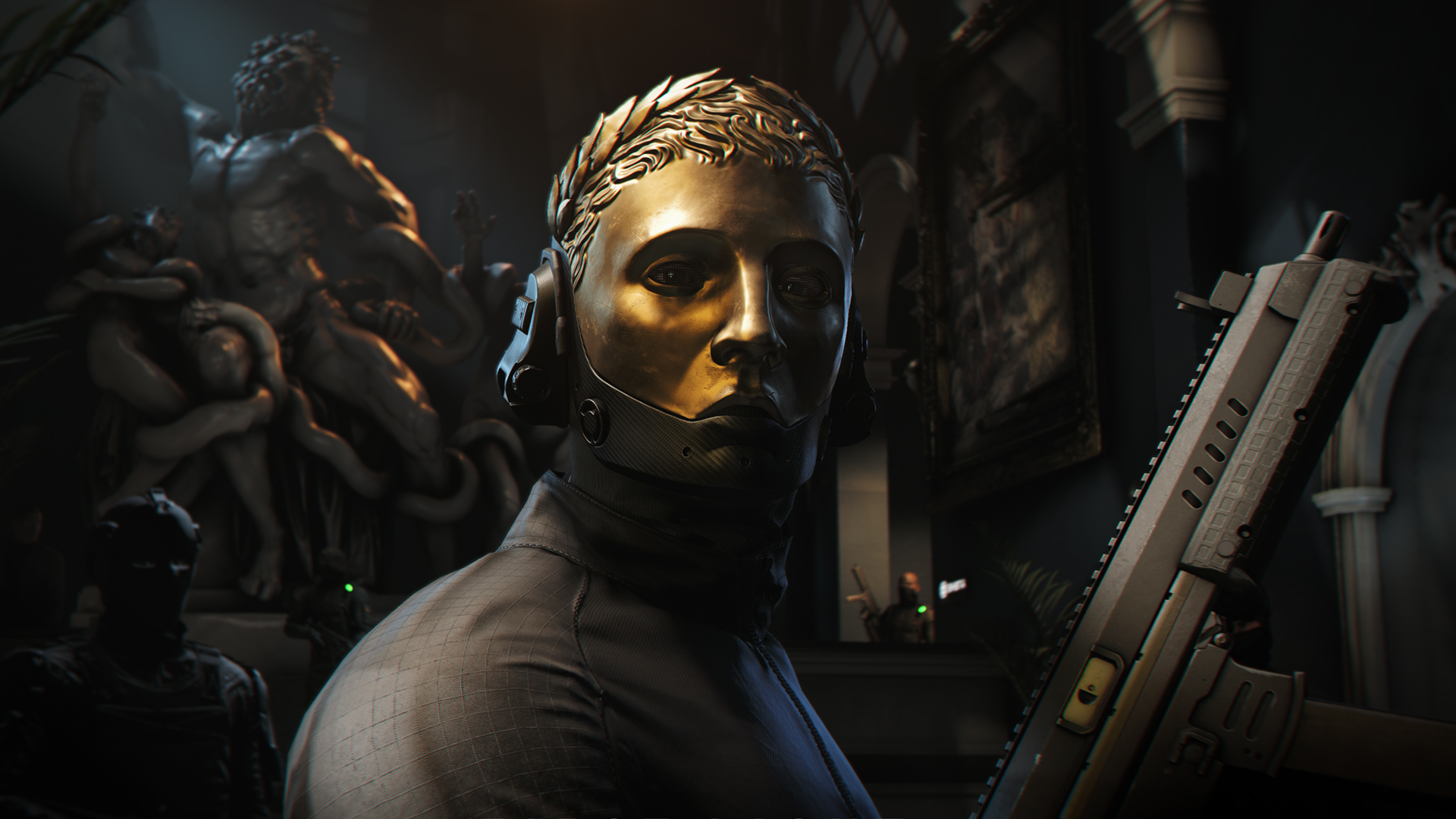
007 First Light Review: Hitman Meets James Bond
The Evolution of Cinematic Stealth: Why the “Bond Formula” is Changing Gaming
For years, the gaming industry relied on the “movie tie-in”—games that served as digital brochures for a theatrical release. But the arrival of 007 First Light, developed by the masters of stealth at IO Interactive, signals a seismic shift. We are moving away from rigid adaptations and toward “brand reimagining.”
By decoupling the game from a specific actor or film plot, developers are finally treating legendary IPs as playgrounds for systemic gameplay rather than scripts to be followed. This trend allows for a deeper exploration of character arcs, such as seeing a reckless, rookie James Bond earn his 00-status, rather than starting the game as an invincible superspy.
The Hybridization of Gameplay: Stealth Meets Spectacle
The modern gamer no longer wants to choose between a slow-burn stealth experience and a high-octane action movie. The trend is moving toward “Hybrid Agency,” where the player decides the tempo of the mission.
In 007 First Light, we see the marriage of IO Interactive’s systemic design (where the environment reacts to the player) and the cinematic pacing of a Bond film. This blend is becoming the gold standard for AAA titles. We see similar trajectories in games like The Last of Us or Dishonored, where the tension of being hunted is balanced by the empowerment of specialized gadgets.
Industry data suggests that “emergent gameplay”—where players find creative solutions the developers didn’t explicitly programme—increases player retention and community engagement. When you give a player a gadget and a goal, but not a set path, you create a personalized story.
Beyond the Movie Tie-In: The Era of the “Standalone IP”
The decision to create a version of Bond that isn’t tied to a current cinematic iteration is a masterstroke of evergreen design. When a game is tied to a specific actor, it has a “shelf life” that expires when the actor leaves the role. By creating a unique interpretation, the game remains relevant regardless of who is wearing the tuxedo in theaters.
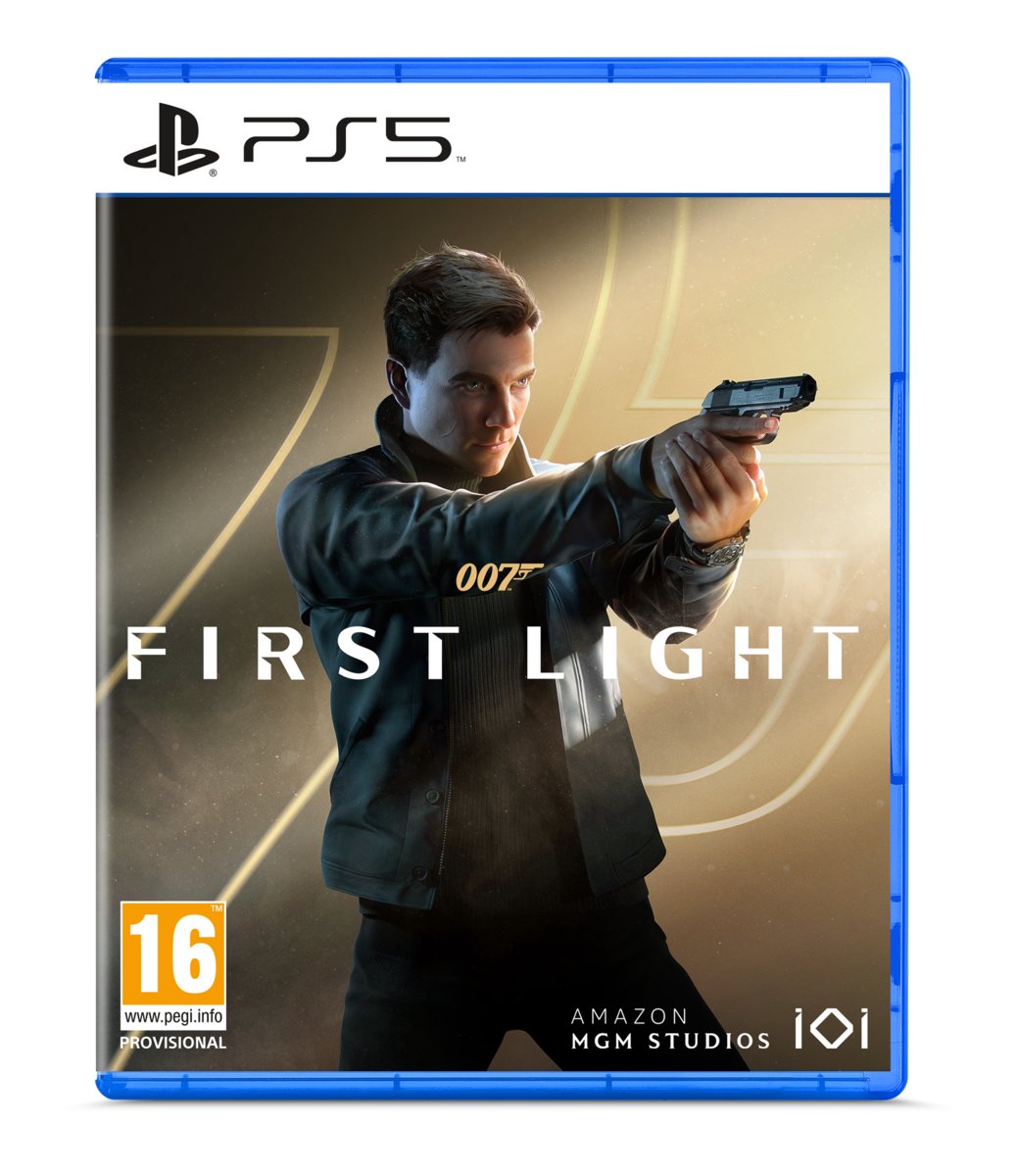
This approach is mirroring trends seen in other massive franchises. For example, the Spider-Man series by Insomniac Games created its own version of Peter Parker that exists alongside the MCU and the Sony films. The result? A game that feels authentic to the character’s soul without being shackled to a movie’s continuity.
For developers, this means more creative freedom. They can experiment with “Origin Stories,” allowing players to grow with the character. Watching Bond evolve from a “brash loudmouth” to a polished agent provides a psychological hook that a static, perfect character simply cannot offer.
Matching Studio DNA to Brand Identity
One of the most critical trends in the current publishing landscape is the strategic pairing of “Studio DNA” with a specific IP. For too long, publishers gave licenses to whoever had the most capacity. Now, they are seeking the perfect fit.
IO Interactive was the logical choice for Bond because their expertise in infiltration, disguise, and environmental storytelling mirrors the core fantasies of the 007 franchise. When the studio’s core competency aligns with the IP’s identity, the result is a product that feels organic rather than forced.
We can expect to see more of this “Precision Pairing” in the future. Imagine a high-fantasy IP handled by a studio known for intricate political simulation, or a racing franchise taken over by a team specializing in physics-based destruction. The focus is shifting from “who can make this” to “who can evolve this.”
For more insights on how game design is evolving, check out our guide on the evolution of stealth gaming or visit the Game Developers Conference (GDC) archives to see how these systems are built.
Frequently Asked Questions
Unlike previous titles, it focuses on a young, inexperienced Bond and utilizes “social stealth” mechanics from IO Interactive, moving away from the traditional linear shooter format.
Q: What is “Social Stealth”?
Social stealth is a gameplay mechanic where the player avoids detection not by hiding in shadows, but by blending into the environment, using disguises, and mimicking the behavior of NPCs.
Q: Does the game follow a specific movie plot?
No. It is a standalone interpretation of the James Bond mythos, allowing the developers to create an original story that isn’t tied to any specific film or actor.
Q: Will this trend affect other movie-based games?
Yes. We are seeing a broader industry shift toward “expanded universes” where games tell original stories within a known world rather than simply retelling a movie’s plot.
What do you think about the “New Bond” approach?
Do you prefer games that follow the movies exactly, or do you like the freedom of a reimagined universe? Let us know in the comments below or subscribe to our newsletter for more deep dives into the future of gaming!