

3 Perfect Movies That Should Never Be Remade
In an era where the film industry is dominated by reboots, revivals and general re-releases, a small group of movies remains virtually untouchable. While many modern attempts to build upon existing works have crashed and burned, a few cinematic masterpieces are considered so perfect that any change could potentially diminish their quality.
Citizen Kane: A Revolution in Filmmaking
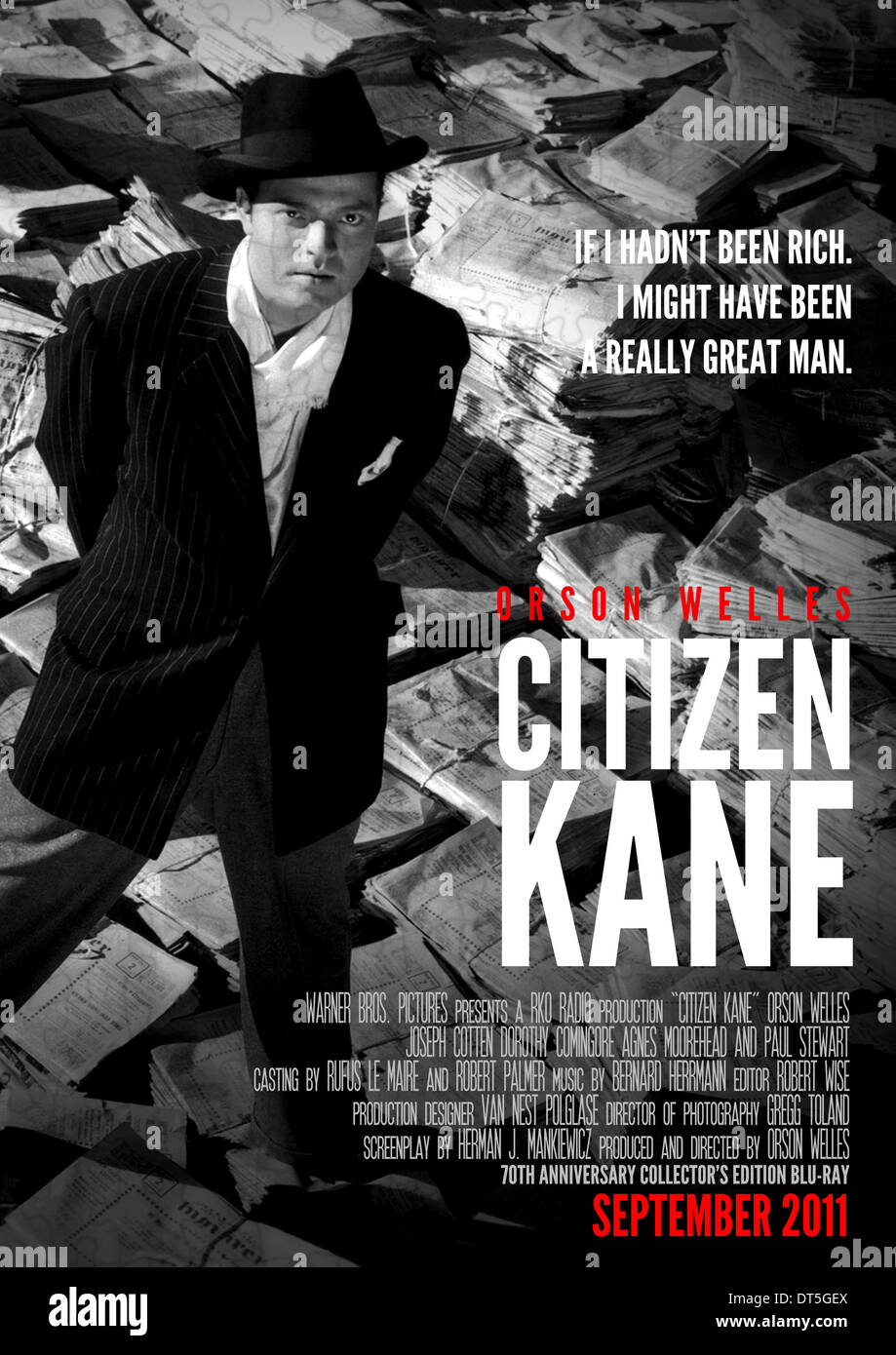
Orson Welles’ feature film debut, Citizen Kane, stands as his magnum opus. At just over 25 years old, Welles took on the roles of director, producer, co-writer, and lead actor, portraying the character Charles Foster Kane.
The drama utilizes a series of interviews conducted by Jerry Thompson to explore the professional and personal life of Kane. Based loosely on 20th-century tycoons like William Randolph Hearst, the film is centered around the mystery of Kane’s final word, “Rosebud.”
Welles revolutionized the industry by employing unconventional methods, including a non-linear storyline and unique camera angles. This character-driven excellence led to the film’s induction into the National Film Registry in 1989.
The Big Lebowski: The Art of the Cult Classic
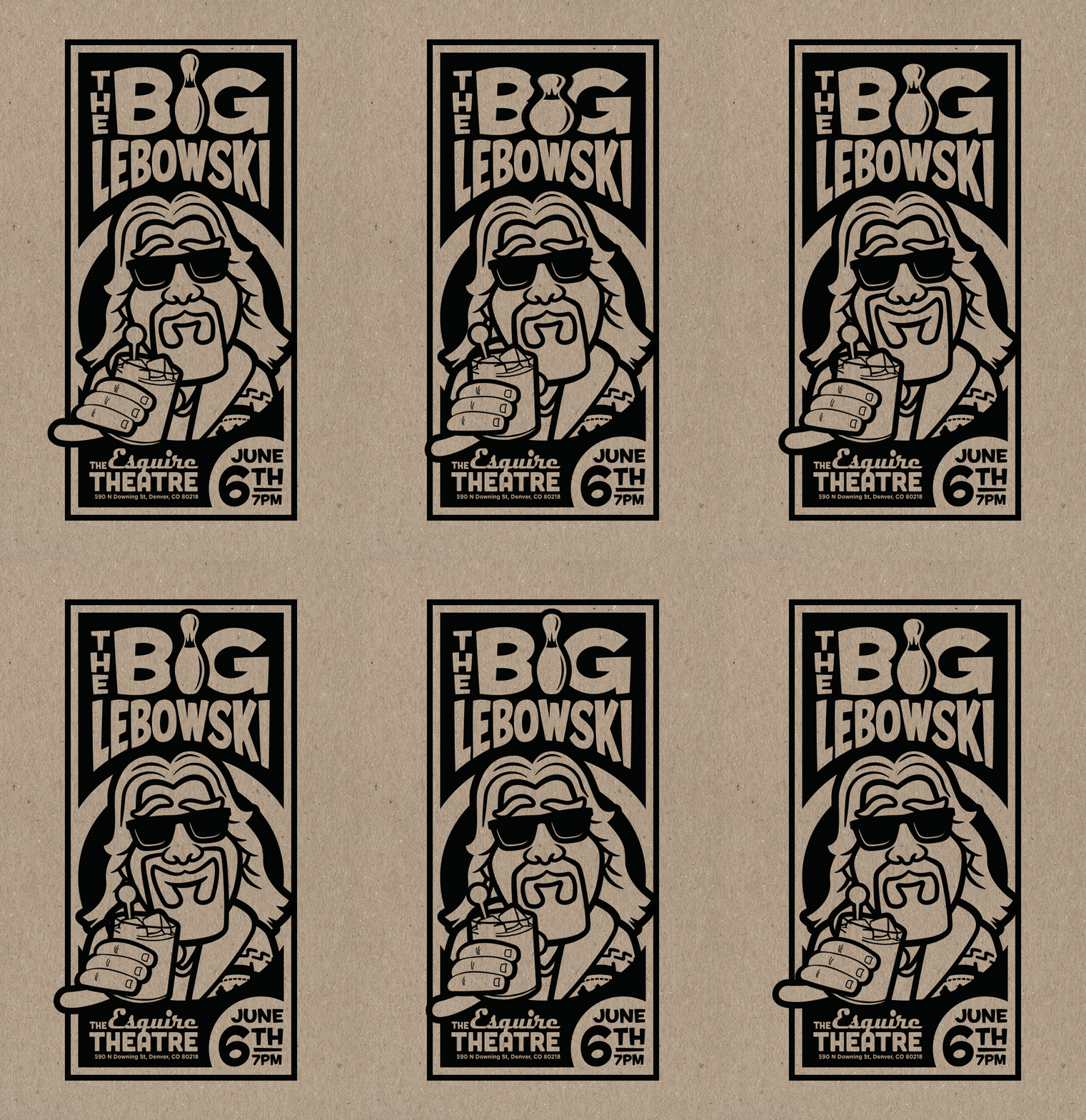
Ethan and Joel Coen are recognized for creating larger-than-life yet relatable characters, a talent evident in The Big Lebowski. The film stars Jeff Bridges as Jeffrey “The Dude” Lebowski, a sarcastic, bowling-passionate man who becomes a target due to mistaken identity.
The Dude is supported by his friends, Vietnam veteran Walter Sobchak, played by John Goodman, and Donny Kerabatsos, played by Steve Buscemi. Their interactions, such as the scene where Walter threatens Smokey, contribute to the film’s belovedly ridiculous nature.
While the Coens’ other work, Fargo, was adapted into a television anthology series from 2014 to 2024, The Big Lebowski has maintained a distinct cult status. It was inducted into the National Film Registry in 2014.
The Godfather: The Pinnacle of Cinema
Francis Ford Coppola’s adaptation of Mario Puzo’s novel, The Godfather, remains a legendary moment in movie history. The epic focuses on the Corleone criminal empire, shifting its gaze from Don Vito Corleone to his son, Michael.
The film was a massive financial success in 1972, earning approximately $275 million against a budget of roughly $6.5 million. It is celebrated for its complex plot and the fascinating transformation of Michael as he accepts his father’s legacy.
From the iconic opening line, “I believe in America,” the film demands complete viewer focus. While The Godfather III was released in 1990, the original remains the gold standard of the franchise.
The Future of Cinematic Legacies
As the trend of reviving older content continues, some legendary films may see re-releases or reboots in the distant future. However, for films of this caliber, such moves could be viewed as a mistake.
Analysts suggest that trying to milk further installments out of franchises like The Godfather may be a terrible idea. In the case of cult classics, any attempt to fix or expand the original vision is likely to ride an extremely fine line.
Frequently Asked Questions
What filmmaking techniques did Orson Welles use to revolutionize the industry in Citizen Kane?
Welles utilized unconventional methods, including the use of unique camera angles and a non-linear storyline.
How did the financial performance of The Godfather compare to its budget?
The film earned approximately $275 million against a budget of approximately $6.5 million, making it the highest-grossing film of 1972.
Which movies mentioned were inducted into the National Film Registry?
Both Citizen Kane (inducted in 1989) and The Big Lebowski (inducted in 2014) were added to the National Film Registry.
Which of these cinematic masterpieces do you believe is the most untouchable?