

Germany’s Sefe Secures Long-Term LNG Deal With Canada
The German energy company Sefe Securing Energy for Europe has signed a Letter of Intent with Canada’s Ksi Lisims LNG to secure the delivery of one million tons of liquefied natural gas (LNG) annually. This agreement, announced by the Federal Ministry for Economic Affairs and Energy in Berlin, establishes a framework for deliveries beginning in the early 2030s with a potential duration of up to 20 years.
A Strategic Shift in Energy Procurement
For Sefe, the nationalized entity formerly known as Gazprom Germania, this represents its first long-term LNG agreement with a Canadian supplier. Federal Minister Katherina Reiche described the move as an expression of a strategic partnership between Germany and Canada regarding energy supply.
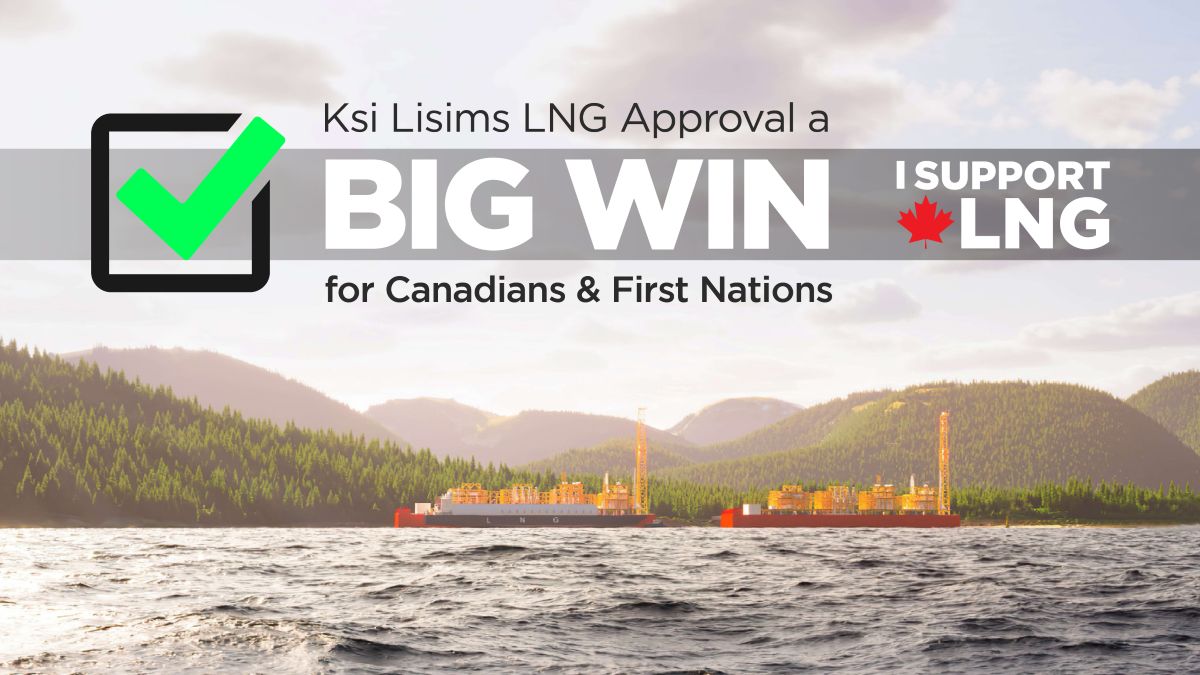
The gas is expected to originate from a planned project on the northwest coast of Canada. According to the Canadian government, the project’s liquefaction plants will be fully electrically operated, which could result in emissions 94 percent lower than the global average for comparable facilities.
Infrastructure and Investment Scale
The proposed floating facility is designed to export up to 12 million tons of LNG per year, which would make it the second-largest LNG terminal in Canada. The project’s estimated volume is approximately 10 billion Canadian dollars, or roughly 6.2 billion euros.
While the Letter of Intent is a significant step, a final investment decision has not yet been reached. The Canadian government has noted that the agreement remains subject to the execution of a final delivery contract between the two companies.
Diversification Beyond the United States
Currently, LNG accounts for approximately 13 percent of Germany’s gas imports, with 94 percent of that volume sourced from the United States. The proposed delivery of one million tons per year would represent roughly one percent of Germany’s total natural gas imports from the previous year.

Susanne Nies, an energy researcher at the Helmholtz-Zentrum Berlin, suggests the agreement is a symbol of Germany’s diversification efforts. This strategy is intended to move the country away from Russian energy and potentially reduce its high dependency on U.S. Supplies.
Future Outlook
The realization of this partnership may depend on the upcoming final investment decision regarding the Canadian terminal. If approved, the project could establish a long-term energy corridor that stabilizes German supply chains for two decades.
Frequently Asked Questions
When are the LNG deliveries expected to begin?
Deliveries are scheduled to start in the early 2030s and may run for up to 20 years.
What makes the Ksi Lisims LNG project environmentally distinct?
The liquefaction plants are planned to be fully electric, which the Canadian government claims will result in emissions 94 percent lower than the global average for similar plants.
How does this deal impact Germany’s current import dependency?
The agreed volume represents about one percent of Germany’s previous year’s gas imports, contributing to a strategy to diversify away from Russia and potentially reduce the 94 percent reliance on U.S. LNG.
How do you view the balance between environmental standards and the need for rapid energy diversification in national security?