
40도 폭염에도 에어컨 없는 파리, 규제 해제 요구 거세져
Paris is facing a severe cooling crisis as record-breaking June heatwaves push temperatures toward 40 degrees Celsius, yet only 25% of French households have air conditioning. According to the International Energy Agency (IEA), this adoption rate is significantly lower than in the United States (90%) or South Korea (86%). Strict urban preservation laws and environmental policies have effectively restricted the installation of cooling units, leaving residents and businesses to struggle as temperatures rise.
Why is air conditioning so rare in Paris?
The primary barrier to cooling in Paris is the stringent regulation surrounding historical preservation and urban aesthetics. Because much of the city’s architecture dates to the mid-19th century, authorities treat buildings as protected cultural assets. According to local building managers, installing exterior condenser units requires approval from both municipal authorities and residential management boards. In historic districts like Le Marais, these regulations make traditional air conditioning systems virtually impossible to install.
How are environmental policies impacting the heat crisis?
Climate-focused governance under the Socialist Party has prioritized carbon reduction over widespread mechanical cooling. Former mayor Anne Hidalgo’s administration emphasized green spaces, shade, and water fountains as primary heat mitigation strategies, often restricting air conditioning in public facilities like schools. Critics, including opposition politicians, argue these policies underestimate the reality of modern heatwaves. The debate has intensified following reports that athletes during the 2024 Paris Olympics struggled with high temperatures on buses that lacked cooling systems, fueling public demand for a policy shift.
What are the consequences of current cooling restrictions?
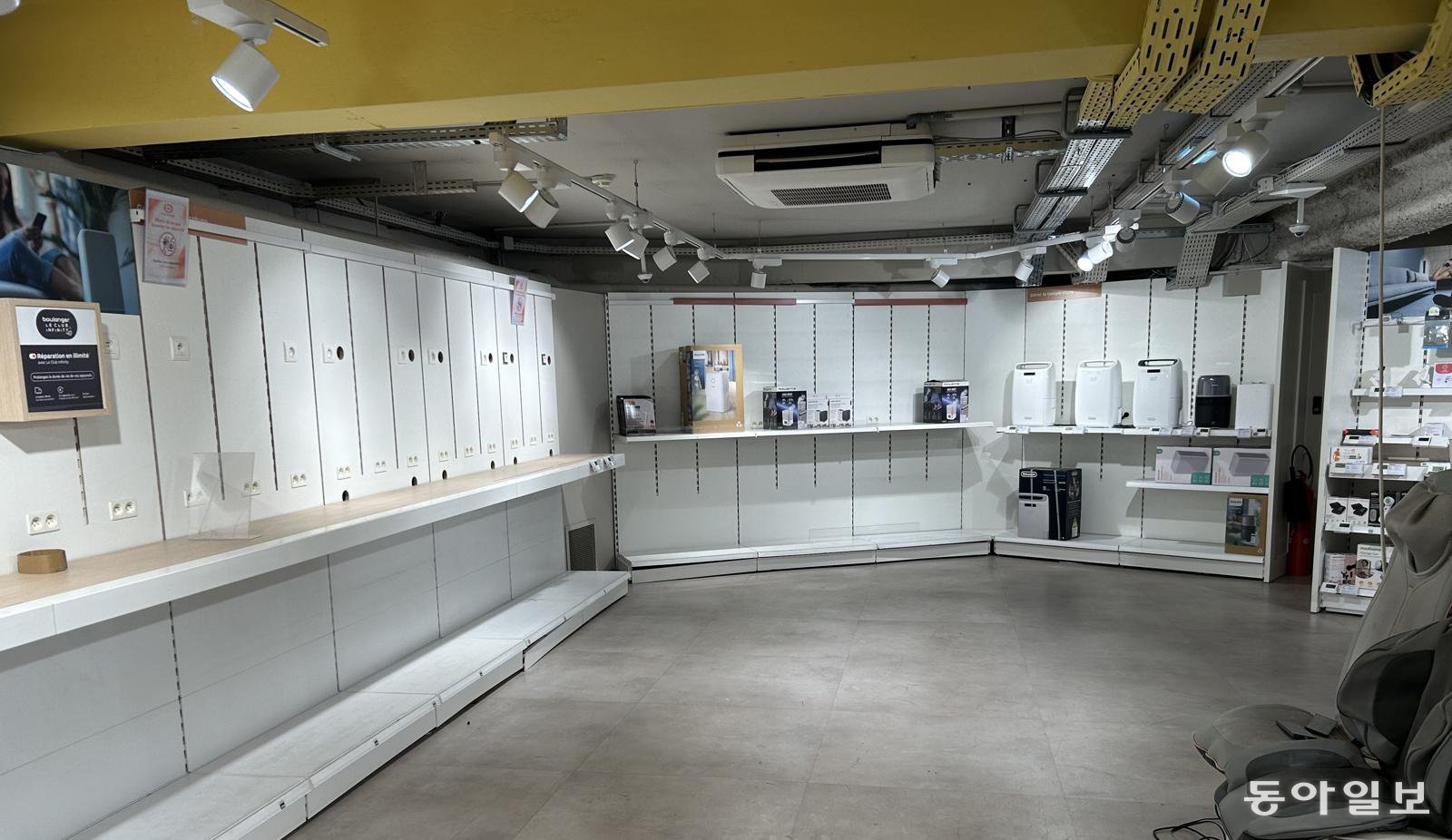
The lack of infrastructure is forcing a change in how the city functions. Data from local retailers shows a total depletion of cooling supplies, with large electronics stores like Boulanger and Darty reporting complete sell-outs of fans and portable units. Beyond retail shortages, the heat is impacting public health and commerce. According to reports from the ground, cafes and restaurants—which traditionally rely on open windows and ceiling fans—are seeing a decline in patronage as customers avoid non-cooled spaces. Meanwhile, the French meteorological agency has issued “red” heat alerts for nearly half of the country, warning that temperatures could reach 44 degrees Celsius by the end of the month.
Comparison of Cooling Adoption Rates
| Country | Air Conditioning Adoption Rate |
|---|---|
| United States | ~90% |
| South Korea | ~86% |
| Spain/Italy | ~45% |
| France | ~25% |
Source: International Energy Agency (IEA)
Frequently Asked Questions
Will air conditioning regulations change in France?
There is growing political pressure to relax installation rules. Many citizens argue that life-safety concerns during record heatwaves outweigh the need to preserve urban aesthetics, making this a likely key issue in the upcoming presidential election.
Why are portable air conditioners popular in Paris?
Portable units are popular because they do not require exterior wall drilling, which is prohibited on historic buildings. They use a flexible hose to vent hot air out of existing windows.
Are schools in Paris air-conditioned?
Most are not. Due to environmental policies that favor natural cooling, many public schools lack air conditioning, leading to closures or early dismissals during extreme heat events.
How is your community adapting to rising summer temperatures? Share your thoughts in the comments below or subscribe to our newsletter for more updates on urban climate trends.