

ABMC Hosts Memorial Day Ceremonies at Cemeteries Worldwide
Beyond the Headstone: The Evolution of Global Remembrance
For decades, the act of honoring fallen service members has been defined by silent rows of white marble and the solemn sound of Taps. The American Battle Monuments Commission (ABMC) has long been the gold standard for this, maintaining 26 cemeteries that serve as permanent anchors of gratitude across the globe.
But as we move further away from the world wars and into a digital-first era, the way we process grief, honor sacrifice, and engage with history is shifting. We are seeing a transition from passive remembrance—simply visiting a site—to active, immersive engagement.
The challenge for the future isn’t just maintaining the grass and the stone; it’s maintaining the emotional connection for a generation that experiences the world through a screen.
The Digital Frontier: Bringing History to Life
We are entering the age of “Digital Memorialization.” It is no longer enough to have a name inscribed on a wall; the next generation wants the story behind the name. Future trends suggest a heavy integration of Augmented Reality (AR) and Virtual Reality (VR) at historic sites.
Imagine walking through the Netherlands American Cemetery and holding up a smartphone to see a digital overlay of the landscape as it looked during the liberation of Europe. Or, clicking a digital marker to instantly access a soldier’s digitized letters home, photographs, and service records.
This trend is already gaining traction in museums worldwide. The Smithsonian, for example, has pivoted toward immersive storytelling to keep younger audiences engaged. By turning a cemetery into a living archive, we transform a place of mourning into a place of education.
The Rise of “Digital Twins”
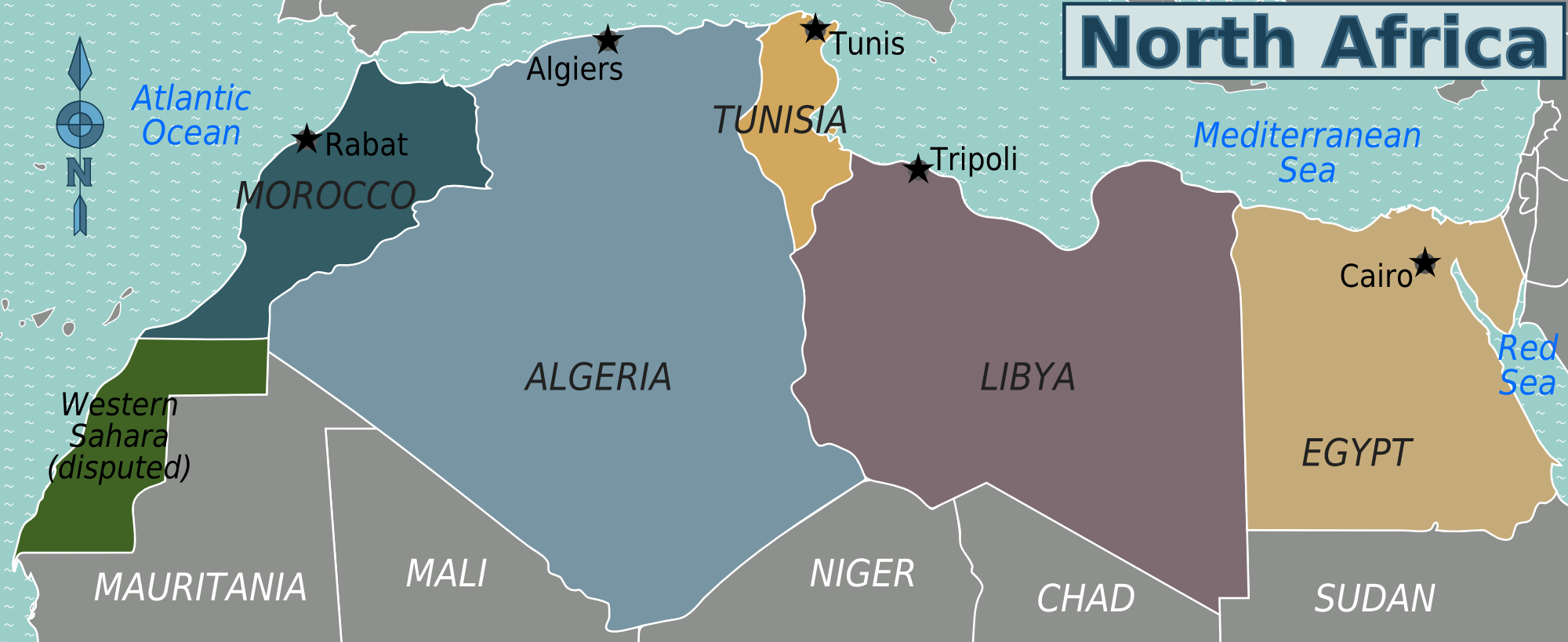
Architects are now creating “digital twins”—exact 3D replicas—of historic monuments. This serves two purposes: it allows those who cannot travel to Europe or North Africa to experience the site remotely, and it provides a blueprint for perfect restoration if the physical site is damaged by time or conflict.
Sustaining the Sacred: Environmental Challenges
One of the most pressing, yet least discussed, trends in memorialization is the impact of climate change on historic masonry. The white marble that defines ABMC sites is susceptible to acid rain, temperature fluctuations, and biological growth.
Future preservation will likely rely on “Smart Materials.” We are seeing the development of nano-coatings that protect stone from pollution without altering its appearance or breathability. The goal is to ensure that these sites remain pristine for the 250th anniversary of the U.S. And far beyond.
Sustainable landscaping is also becoming a priority. Moving toward drought-resistant flora and eco-friendly maintenance reduces the carbon footprint of these massive estates while preserving the aesthetic of a “perfect” military cemetery.
Bridging the Generational Gap in Honor
There is a growing gap between those who remember the conflicts of the 20th century and Gen Z or Gen Alpha. To bridge this, the narrative is shifting from “nationalism” to “universal human values.”
Future commemorative services will likely focus more on the themes of courage, sacrifice, and the cost of freedom—concepts that resonate regardless of political affiliation or era. We are seeing a move toward “participatory remembrance,” where visitors are encouraged to contribute their own stories or leave digital tributes.
This shift ensures that the legacy of the fallen isn’t just a history lesson, but a living dialogue about what it means to serve a cause greater than oneself.
The Diplomacy of Memory
Military cemeteries are more than burial grounds; they are diplomatic outposts. The presence of U.S. Military sites in Europe and Africa serves as a permanent reminder of international alliances.
As geopolitical tensions shift, these sites will likely become more central to “Memory Diplomacy.” Joint ceremonies involving local dignitaries and military honor guards—like the flyovers seen at RAF Mildenhall—reinforce bonds that treaties alone cannot maintain.
The trend is moving toward multilateral remembrance, where the focus is not just on the American sacrifice, but on the collective effort of allied nations to secure peace.
Frequently Asked Questions
What is the primary mission of the ABMC?
The ABMC is tasked with honoring the service of U.S. Armed forces by creating and maintaining memorial sites, providing commemorative services, and educating the public about the legacy of those who served.
How are these cemeteries funded and maintained?
They are maintained through federal funding and a dedicated staff of professionals who ensure the grounds and monuments meet strict military standards of excellence.
Can I find information about a specific relative buried overseas?
Yes, the ABMC provides comprehensive online databases where you can search for service members by name, conflict, or cemetery location.
Why are these sites located in different countries?
Many service members were buried near where they fell in battle to avoid the risks and costs of transporting remains across oceans during wartime, creating permanent legacies in the lands they helped liberate.
Join the Conversation
How do you think we should honor the fallen in the digital age? Do you believe technology enhances or detracts from the solemnity of these sites?
Share your thoughts in the comments below or subscribe to our newsletter for more deep dives into history and heritage.