

Agentic AI in the Enterprise: Beyond Productivity Hacks
Aaron Levie, CEO of Box, states that agentic AI currently presents a “tale of two cities,” delivering massive productivity gains for software engineers while producing uncertain results for business end-users. Levie argues that enterprises must shift from using AI for simple productivity hacks to treating it as a “technology for abundance” to scale data analysis and judgment.
Why is agentic AI performing differently for engineers than for business users?
Agentic AI boosts productivity for technical and software engineering teams “by lightyears,” according to Levie. He describes agentic coding as a proven success, whereas business-focused agentic AI remains a work in progress with murky results.
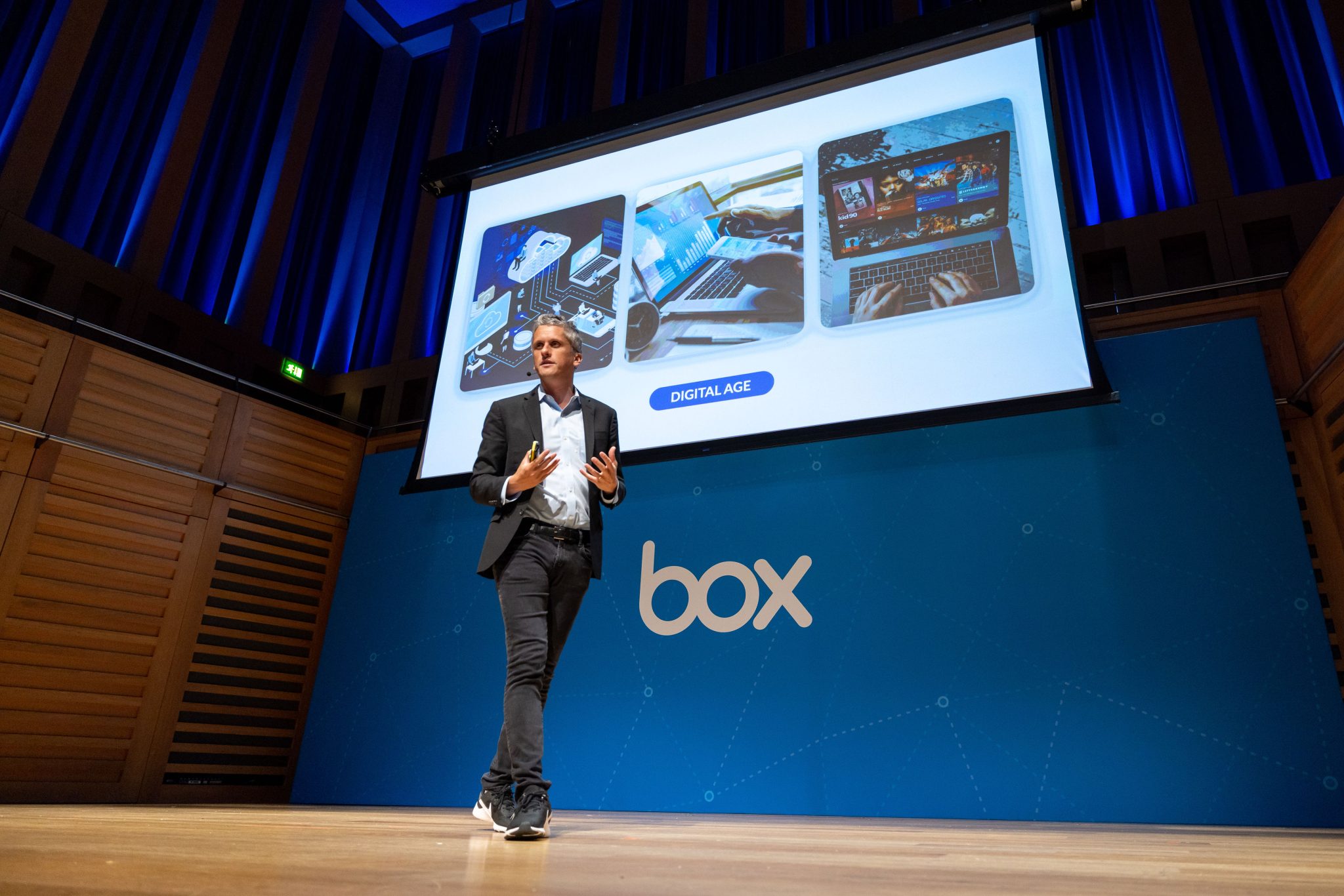
Levie told CXOTalk’s Michael Krigsman that the enterprise is still in the early stages of determining what agentic work looks like and how it should be rolled out.
How can businesses use AI as a “technology for abundance”?
Levie urges business leaders to imagine having unlimited capacity for accessing data, using judgment, and combing through information. This approach moves beyond spreadsheets and ERP systems, replacing human limitations with compute power.
For B2B companies, this could mean deploying agents to analyze a customer base to determine the right timing and messaging for outreach. Such capacity may allow for deeper views on customer responsiveness to marketing campaigns.
What are the risks of deploying agentic AI to non-technical workers?
Levie describes agents as perhaps the most technical solution ever deployed to non-technical people. He warns that placing “non-deterministic intelligence” in the hands of every knowledge worker carries significant danger.
An agent could “run wild,” grab incorrect data, or produce an inaccurate report. Levie cautioned that agents may introduce bugs or deliver results that lack the necessary “taste” or quality.
What happens next for AI in the enterprise?
Human supervision is essential because the verification processes used in software development don’t apply to general knowledge work. Levie suggests that businesses need new mechanisms to ensure agents operate with the right guardrails and context.
The full promise of agents across knowledge work is likely to be the defining enterprise topic over the next few years. The industry may focus on creating verification tools to prevent agents from performing incorrect actions.
Frequently Asked Questions
How does agentic AI differ for coders versus business users?
According to Aaron Levie, it is a “game-changer” for coding and technical teams, while business end-users are seeing murky results and are in the early stages of rollout.
What does Aaron Levie mean by “technology for abundance”?
It refers to using compute power to provide unlimited capacity for combing through information, accessing data, and exercising judgment, rather than relying on the limited number and skills of human workers.
Why is human supervision necessary for AI agents?
Levie warns that agents can grab the wrong data, produce incorrect reports, or introduce bugs, making human oversight and specific guardrails necessary.
How should business leaders balance the desire for AI abundance with the need for strict human verification?