
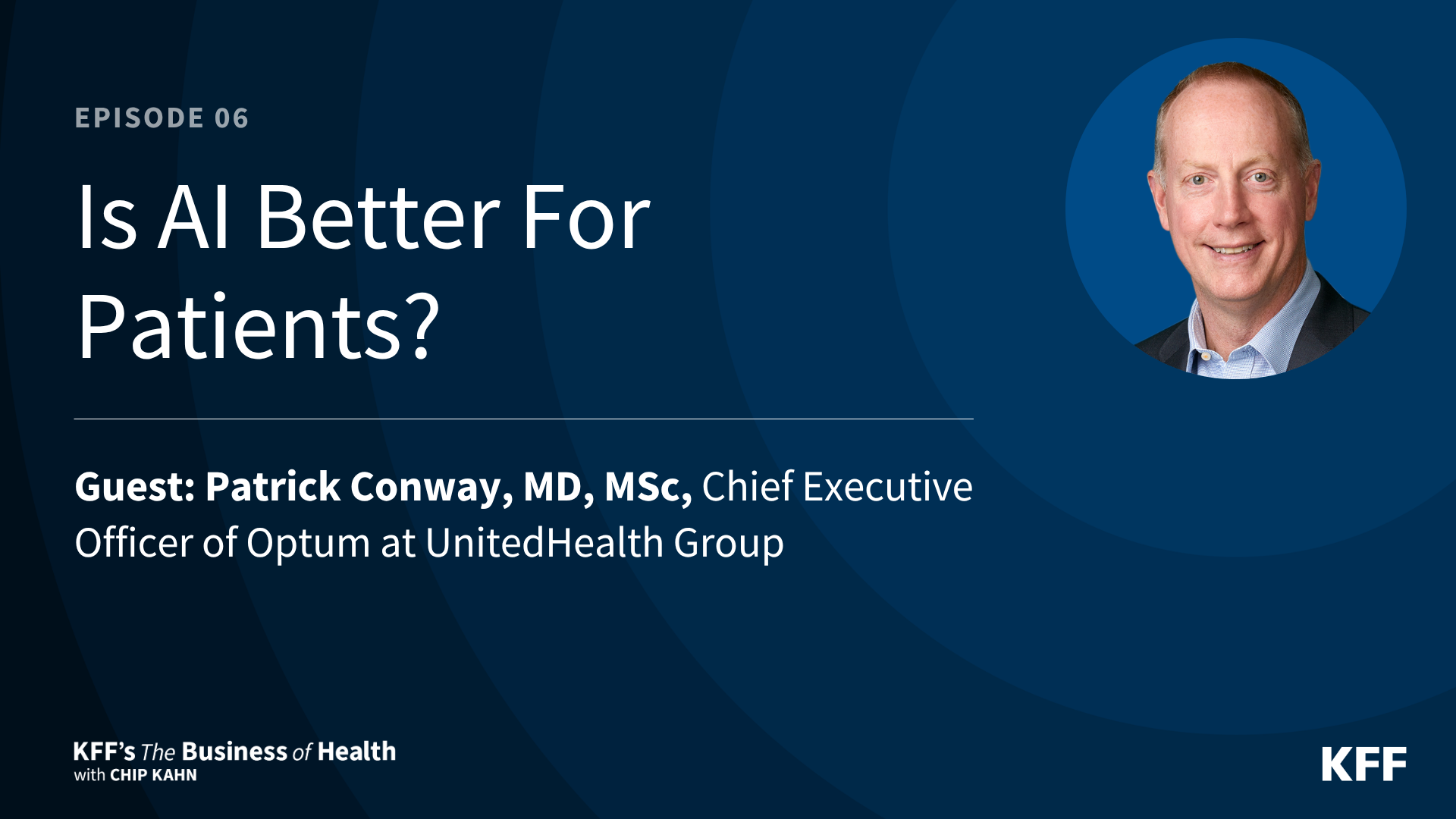
AI in Healthcare: Prioritizing Patients and the Shift to Value-Based Care
The integration of artificial intelligence into the healthcare sector is sparking a critical conversation about the balance between technological efficiency and patient welfare. Dr. Patrick Conway, the Chief Executive Officer of Optum, has highlighted the necessity of ensuring that AI tools are designed to serve the needs of patients first.
The Tension Between AI and Financial Risk
A primary concern in the deployment of healthcare AI is the potential for conflict of interest. This is particularly relevant when the same organization that builds the AI also bears the financial risk associated with the care provided.
The discussion centers on how to maintain ethical standards when AI is used to determine who receives specific care. Ensuring that patient outcomes remain the priority is essential as these technologies become more integrated into clinical decision-making.
AI and the Future of Value-Based Care
For two decades, policymakers have supported the transition toward a value-based care model. This framework focuses on patient health outcomes rather than the volume of services provided.

There is a possibility that AI could be the catalyst that finally makes value-based care the dominant payment framework in the industry. By leveraging data and technology, the system may be better equipped to manage the complexities of this model.
Potential Shifts in the Healthcare Landscape
Looking ahead, the healthcare industry may see a more rapid adoption of AI-driven administrative and clinical tools. This shift could lead to a restructured approach to how care is delivered and paid for.
If AI successfully supports the goals of value-based care, the industry is likely to move further away from traditional payment models. Such a transition may depend on the industry’s ability to ensure AI serves the patient’s best interest.
Frequently Asked Questions
Who is Dr. Patrick Conway?
Dr. Patrick Conway is the Chief Executive Officer of Optum, which is a health services and technology business under the parent company, UnitedHealth Group.
What is the main concern regarding AI and financial risk?
The concern is how to ensure AI serves patients first when the same company that builds the AI also bears the financial risk and uses that AI to decide who gets care.
How could AI impact value-based care?
AI may help make value-based care the dominant payment framework in healthcare, following twenty years of support for the model from policymakers.
Do you believe AI can be used to prioritize patient health over financial incentives in the medical industry?