

AI/ML Career Guide 2026: Top Roles, Essential Skills, and Salaries
AI/ML careers in 2026 are shifting from theoretical research to applied engineering, with a 62% average wage premium for workers skilled in model deployment, according to the PwC 2026 Global AI Jobs Barometer. While traditional entry-level coding roles are declining, demand for professionals who can integrate existing models into business infrastructure is growing at 69%—far outpacing the 9% growth seen in the broader labor market.
Why is the AI job market splitting in two?
The technical labor market has diverged into routine tasks and high-value orchestration. According to the PwC 2026 Global AI Jobs Barometer, AI is driving down the cost of routine technical work while “professionalizing” complex engineering roles. This shift has created a massive wage gap based on deployment capabilities.
In consumer markets, the wage premium for deployment skills has reached 118%. This spike occurs because engineers using modern frameworks can now produce the output of ten traditional developers. PwC reports that the top 20% of companies adopting these systems have seen a 163% productivity increase compared to 2018 levels.
What happens to junior developers in 2026?
The traditional junior developer role has largely vanished. Coding assistants now handle the boilerplate code and basic bug fixes that previously defined entry-level work. Consequently, companies now demand “senior-level” critical thinking from new hires.
PwC’s analysis of 2.4 million job postings shows that entry-level roles requiring leadership, creativity, and strategic judgment have grown 35% since 2019. In contrast, traditional entry-level postings fell by 10%. This “seniorization” of entry-level work means candidates must prove they can architect systems, not just write syntax.
To prevent “cognitive atrophy,” Gartner reports that 50% of global organizations now require candidates to pass offline, unassisted coding tests. This ensures developers understand the underlying logic without relying on AI prompts.
Which AI/ML roles offer the highest salaries?
The industry has pivoted toward pragmatic builders. Research roles are shrinking as applied engineering dominates the hiring boards. Based on 2026 US market data, the most lucrative paths are:
| Role | Primary Function | Salary Range (US) |
|---|---|---|
| Applied ML/LLM Engineer | Connecting models to business data | $150,000 – $250,000+ |
| ML Platform/MLOps | Cloud infrastructure and scaling | $160,000 – $230,000+ |
| AI Product Manager | Defining user requirements for AI | $130,000 – $200,000+ |
| AI Ethical Compliance Officer | Auditing models for legal safety | $130,000 – $180,000+ |
How does the EU AI Act change hiring?
Regulatory pressure is creating a new class of high-paying governance roles. The EU AI Act is set to enforce heavy penalties for high-risk systems starting December 2, 2027, with systems in regulated products facing deadlines by August 2028.
Analysts forecast that by the end of 2026, companies will face over 2,000 legal claims stemming from insufficient algorithmic guardrails. This has made AI Risk and Governance Specialists essential for avoiding massive lawsuits, particularly in healthcare and finance where biased data can lead to catastrophic failures.
What is the essential tech stack for 2026?
Employment in AI/ML now depends on a specific set of production tools rather than theoretical knowledge. Python remains the primary logic language, but SQL is critical as 80% of the work involves data extraction and cleaning. Go (Golang) has also gained traction for building high-speed backend infrastructure.

The most valuable technical skill currently is Retrieval-Augmented Generation (RAG). This involves using vector databases—such as Pinecone, ChromaDB, or Weaviate—to feed private corporate data into language models. Engineers who master orchestration tools like LangChain and LlamaIndex to manage this workflow are seeing the highest demand.
Core Production Tools:
- Deep Learning: PyTorch (the industry standard for model tweaking).
- Cloud & Ops: Docker, Kubernetes, and AWS SageMaker.
- Orchestration: LangChain and LlamaIndex for secure data connection.
Where are the “hidden” AI jobs?
While Big Tech captures headlines, more than half of all technical hiring is now happening in non-tech sectors. Regional banks, logistics firms, and hospital networks are desperate to automate workflows but lack internal talent.
This creates a “domain expertise” advantage. A financial analyst who learns PyTorch is often more valuable to a bank than a computer science graduate because they understand banking regulations. In logistics, the AI market is expected to hit $4.99 billion by 2035, creating a surge in demand for those who understand supply chain routing and warehouse automation.
Answer: No. The market has shifted from theoretical research to applied engineering. A portfolio of live, deployed applications that solve real business problems is now more valuable than a theoretical degree.
Frequently Asked Questions
Will I have to pass an “AI-free” coding test?
Yes. Gartner predicts 50% of organizations now mandate offline, unassisted tests to ensure candidates possess foundational logic and haven’t suffered “cognitive atrophy” from over-reliance on AI tools.
What are “death by AI” legal claims?
These are lawsuits resulting from AI failures in high-stakes environments like healthcare or transportation. Analysts expect over 2,000 such claims by late 2026, driving the demand for AI compliance officers.
Which programming languages are most important?
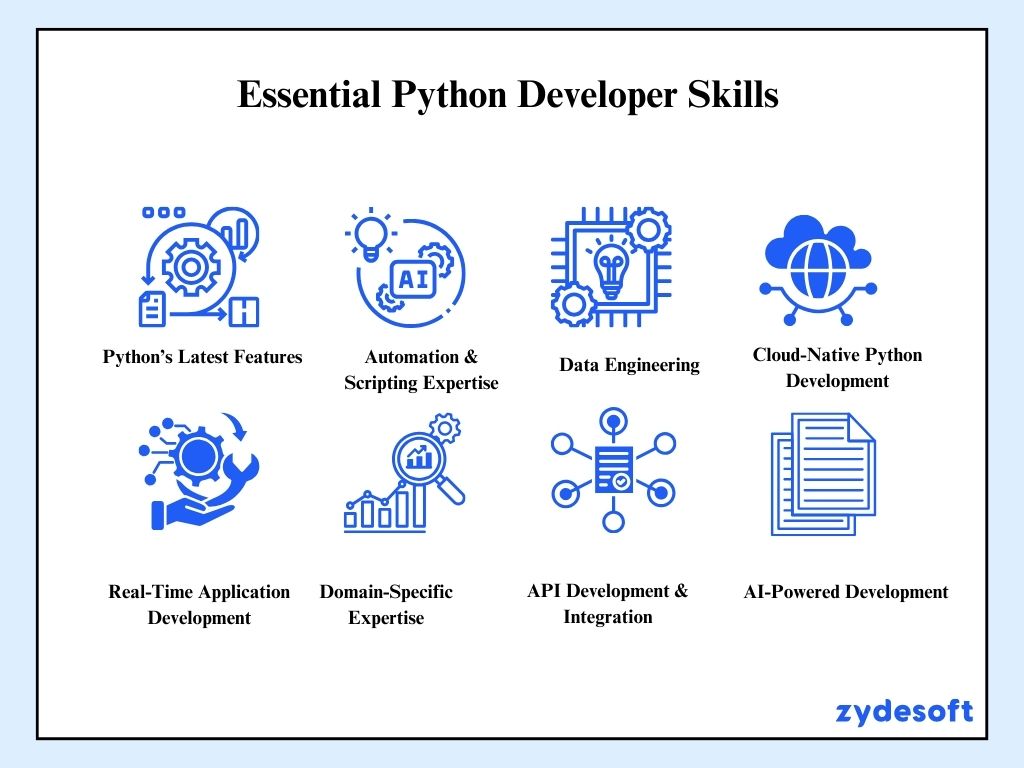
Python is non-negotiable for logic. SQL is essential for data handling. Go (Golang) is increasingly preferred for high-performance API infrastructure.
Do I need to build my own LLM to get hired?
No. Companies want “Applied LLM Engineers” who can connect existing APIs (like those from OpenAI or Google) to internal data and manage latency and hallucinations.
Are you pivoting your career toward applied AI or staying in traditional development? Share your stack and your strategy in the comments below, or subscribe to our newsletter for weekly updates on the AI labor market.