

All You Need to Do Is Storm the Castle’: Dawnwalker Director Stresses Player Choice in PS5 RPG
The Death of the Quest Log: How Modern RPGs are Breaking the “Checklist” Formula
For over a decade, the open-world RPG has followed a predictable blueprint: a central narrative spine flanked by dozens of “fetch quests” and map markers that turn epic adventures into digital grocery lists. However, a shift is occurring. The industry is moving away from the rigid structure of main and side quests toward a more organic, player-driven experience.
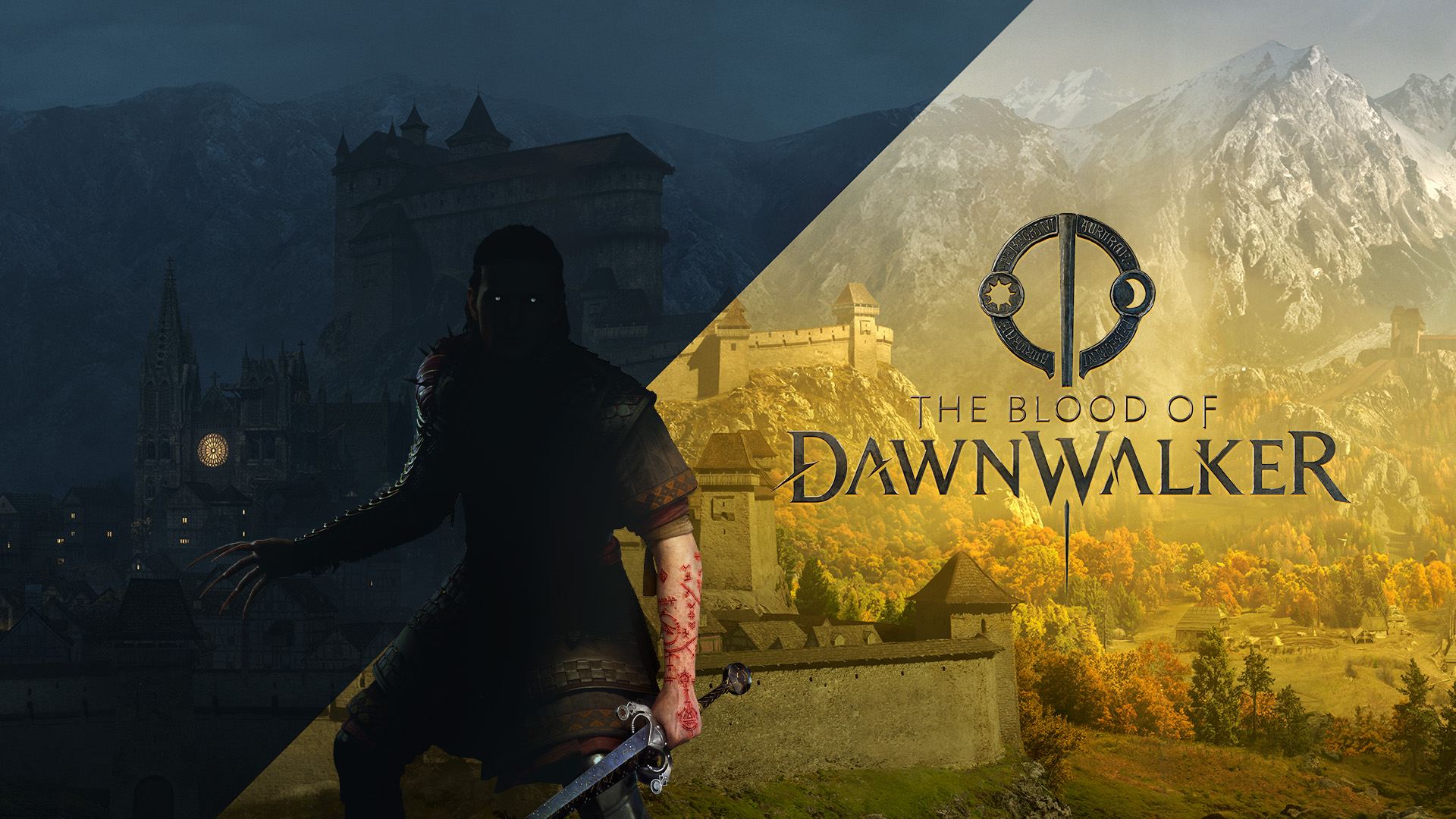
The philosophy emerging in titles like The Blood of Dawnwalker suggests a future where the “Quest Log” is no longer a roadmap, but a suggestion. By providing a single, overarching goal—such as storming a fortress or defeating a tyrant—and leaving the how entirely to the player, developers are returning to the roots of immersive simulation.
The “Game Master” Approach: Digital Tabletop Evolution
The most significant trend in high-end RPG design is the attempt to replicate the feeling of a pen-and-paper session. In a tabletop setting, a Game Master (GM) doesn’t give you a list of 50 mandatory tasks; they give you a situation and let you react to it. This creates a sense of true agency.
We have already seen the massive success of Baldur’s Gate 3, which proved that players crave systemic freedom. When a game allows you to bypass an entire dungeon by talking your way through a door or using a creative spell, it validates the player’s intelligence. The trend is moving toward “systemic” design, where the world reacts to your actions logically rather than following a scripted trigger.
This shift means that “optional” content is no longer just filler. Instead, every encounter serves as a tool for character growth or a source of intelligence that makes the final objective easier. The goal is no longer to “clear the map,” but to prepare for the climax in a way that feels personal.
Time as a Resource: The Psychology of Forced Choice
Another evolving trend is the integration of strict time systems, reminiscent of the Persona series. When time moves forward based on your actions, the game stops being a sandbox and starts being a series of meaningful sacrifices.
In a traditional RPG, you can do everything. In a time-gated RPG, choosing to spend three days helping a village means you might miss a critical political event in the capital. This introduces a layer of tension and emotional weight to decision-making.
From a design perspective, this solves the “completionist fatigue” that plagues many modern titles. By making it impossible to see everything in one playthrough, developers encourage multiple runs and foster community discussion, as players compare the vastly different paths they took to reach the end.
The Rise of the “Suicide Run” and Player Defiance
There is a growing trend of allowing players to attempt the “impossible” immediately. By removing prerequisites for the final boss or the main objective, developers are leaning into a psychological hook: the challenge of the underdog.
While most players will naturally seek out allies and gear, the mere existence of a path that allows you to storm the castle at level one creates a powerful sense of freedom. This design choice respects the player’s autonomy and caters to the speedrunning community and “challenge run” enthusiasts, who drive significant engagement on platforms like Twitch and YouTube.
Semantic Shift in RPG Design
To understand where the genre is heading, we have to look at the terminology changing within development studios. We are moving from “Quest Design” to “Experience Design.”
- Linear Progression $rightarrow$ Web-like Progression: Instead of A $rightarrow$ B $rightarrow$ C, players move through a web of interconnected events.
- Static Worlds $rightarrow$ Reactive Ecosystems: The world state changes based on who you killed, who you saved, and how much time has passed.
- Completionism $rightarrow$ Curation: The player curates their own story rather than completing a developer’s checklist.
Frequently Asked Questions
Q: Does removing main quests make a game shorter?
A: Not necessarily. While the “critical path” might be shorter, the depth of the optional content and the incentive for multiple playthroughs often result in more total playtime and higher engagement.
Q: Why is the “pen-and-paper” style becoming popular now?
A: Increased computing power and more sophisticated AI allow developers to create complex systems that can handle thousands of variables, making the “Game Master” style of reactivity possible in a digital format.
Q: Will this trend kill the traditional open-world game?
A: Likely not, but it will force a bifurcation in the market. We will see “Comfort RPGs” (checklist-style) and “Hardcore RPGs” (systemic/non-linear), with the latter gaining more prestige among critics and enthusiasts.
The evolution of the RPG is moving toward a place where the player is the true author of the story. By stripping away the hand-holding and embracing the chaos of choice, the next generation of games will feel less like a movie we are playing through and more like a life we are living.
What do you prefer: a guided journey with a clear list of objectives, or a world that throws you into the deep end and lets you find your own way? Let us know in the comments below, or subscribe to our newsletter for more deep dives into the future of gaming.