

American Eagle Shares Fall as Aerie Surges and Main Brand Slumps
The Celebrity Paradox: Why Star Power Isn’t Always a Sales Engine
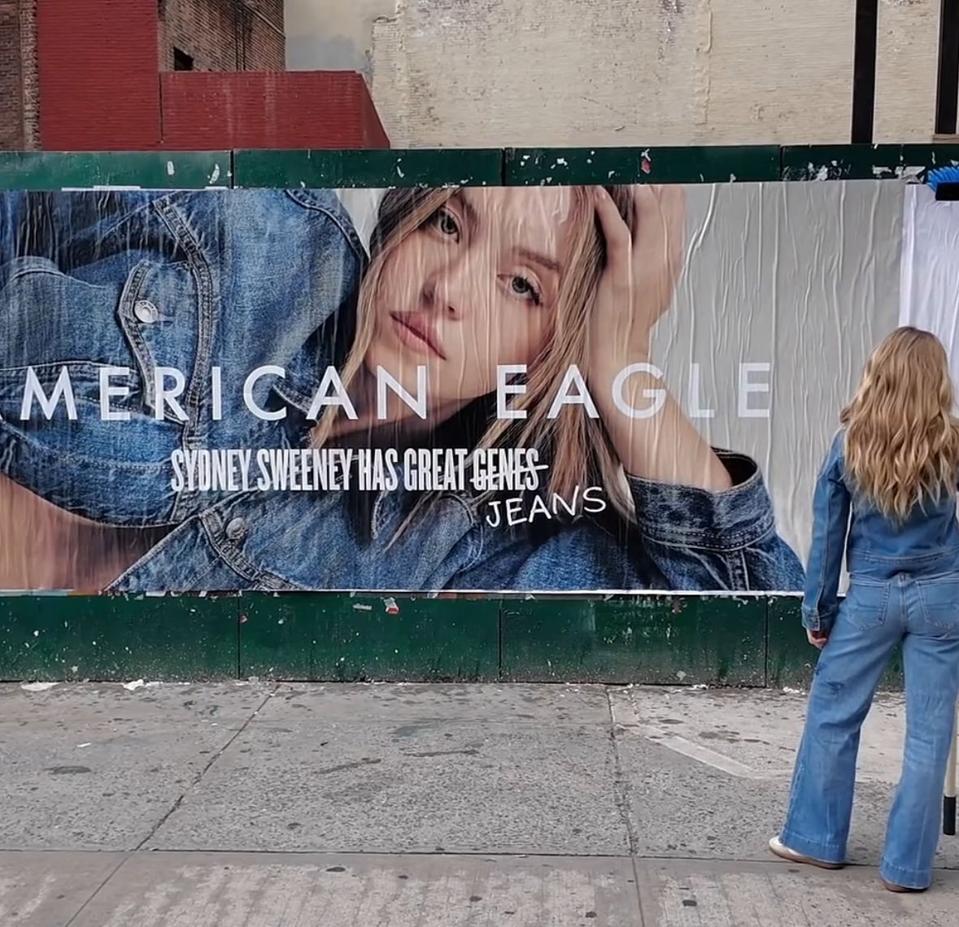
For decades, the retail playbook was simple: find the most influential face of the moment, put them on a billboard, and watch the revenue climb. But as we see with the recent performance of American Eagle and its partnership with Sydney Sweeney, the “celebrity effect” is losing its magic.
Modern consumers, particularly Gen Z and Millennials, have developed a high sensitivity to “forced” partnerships. When a campaign feels like a corporate transaction rather than a genuine brand alignment, the audience tunes out. The shift from provocative imagery to modest beachwear in recent campaigns shows a brand searching for a voice, but it highlights a deeper issue: visibility does not equal conversion.
The trend is moving toward “micro-influence” and “community-led growth.” Today’s shoppers don’t want to see a celebrity who could wear the clothes; they want to see real people who do wear them in everyday settings. This is why high-budget campaigns often underperform compared to a viral TikTok video from an unknown creator showing how a pair of jeans actually fits different body types.
The Rise of ‘Comfort-Core’: Why Aerie is Winning the War
While the flagship American Eagle banner struggles to find its footing, its sister brand, Aerie, is experiencing an explosive surge. This isn’t a coincidence; it’s a reflection of a fundamental shift in global fashion: the era of “Comfort-Core.”
The pandemic accelerated a move away from restrictive clothing, and that preference has become permanent. Aerie didn’t just sell bras and leggings; they sold a lifestyle of inclusivity and wellness. By ditching airbrushed photos and focusing on “Aerie Real,” they built emotional equity that a traditional denim brand struggles to replicate.
We are seeing this trend mirror the success of brands like Lululemon and SKIMS, where the product serves a functional purpose (comfort, support) while the branding serves an emotional purpose (empowerment, confidence). When a product makes a customer feel physically and mentally better, the brand becomes “sticky.”
Navigating the Brand Split: When the Sub-Brand Outshines the Parent
American Eagle Outfitters is currently facing a classic corporate dilemma: the “Halo Effect” has reversed. Usually, a parent brand elevates its sub-brands. Now, Aerie is the engine driving the company’s growth, while the namesake brand acts as a drag on comparable sales.
This creates a strategic tension. If a company leans too hard into its winning sub-brand, it risks alienating the legacy customer. However, ignoring the decline of the parent brand is a recipe for obsolescence. The future for retailers in this position is hyper-segmentation.
Successful retailers are now treating their different banners as entirely separate ecosystems. Instead of a unified corporate strategy, they are implementing “agile branding,” allowing the high-growth brand (like Aerie) to experiment with aggressive expansion while the legacy brand (like American Eagle) undergoes a slow, disciplined “re-ignition” of its product execution.
The Psychology of the Modern Denim Shopper
Denim is a high-friction purchase. Unlike a t-shirt or a pair of leggings, jeans require a perfect fit and a specific “vibe.” As consumers move toward sustainable fashion and “slow fashion” movements, the appetite for mass-market, fast-turnover denim is waning.
To survive, legacy denim brands must pivot from “trend-chasing” to “problem-solving.” This means focusing on durability, sustainable sourcing, and inclusive sizing—elements that Aerie has already mastered and that the American Eagle banner must now integrate to recapture the market.
For more insights on retail pivots, check out our guide on the future of omnichannel retail strategies.
Frequently Asked Questions
Why are celebrity endorsements becoming less effective?
Consumers now value authenticity over aspiration. When a celebrity partnership feels purely financial, Gen Z shoppers often view it as “inauthentic,” leading to low conversion rates despite high visibility.
What is ‘Comfort-Core’ in fashion?
Comfort-Core is the trend of prioritizing physical ease and mental well-being in clothing choices, leading to the dominance of loungewear, athleisure, and inclusive intimates over restrictive formal or trendy wear.
How can a legacy brand recover from falling sales?
Recovery typically requires a three-pronged approach: improving product execution (fit and quality), shifting marketing from “celebrity-led” to “community-led,” and aligning the brand values with current consumer ethics (e.g., sustainability and inclusivity).
What do you think?
Is star power dead, or is it just evolving? Do you prefer shopping for comfort or for the trend?
Join the conversation in the comments below or subscribe to our newsletter for weekly deep dives into the business of fashion!