
Artificial pancreas helps me live without limits
For individuals living with Type 1 diabetes, the daily management of blood sugar levels has historically required a constant, vigilant effort. However, for 25-year-old Chloe Hammond from Northampton, the integration of new medical technology into the National Health Service (NHS) has fundamentally altered that reality. Diagnosed as a toddler, Hammond describes the transition to an artificial pancreas system as “brilliant,” noting that it allows her to live her life with significantly fewer limitations.
The condition, which affects approximately 400,000 people in the UK, occurs when the immune system attacks the cells in the pancreas responsible for regulating blood sugar. While Hammond has utilized an insulin pump since age 10, the adoption of artificial pancreas technology by the NHS two years ago provided a more automated approach to her care.
Technology Bridging the Gap
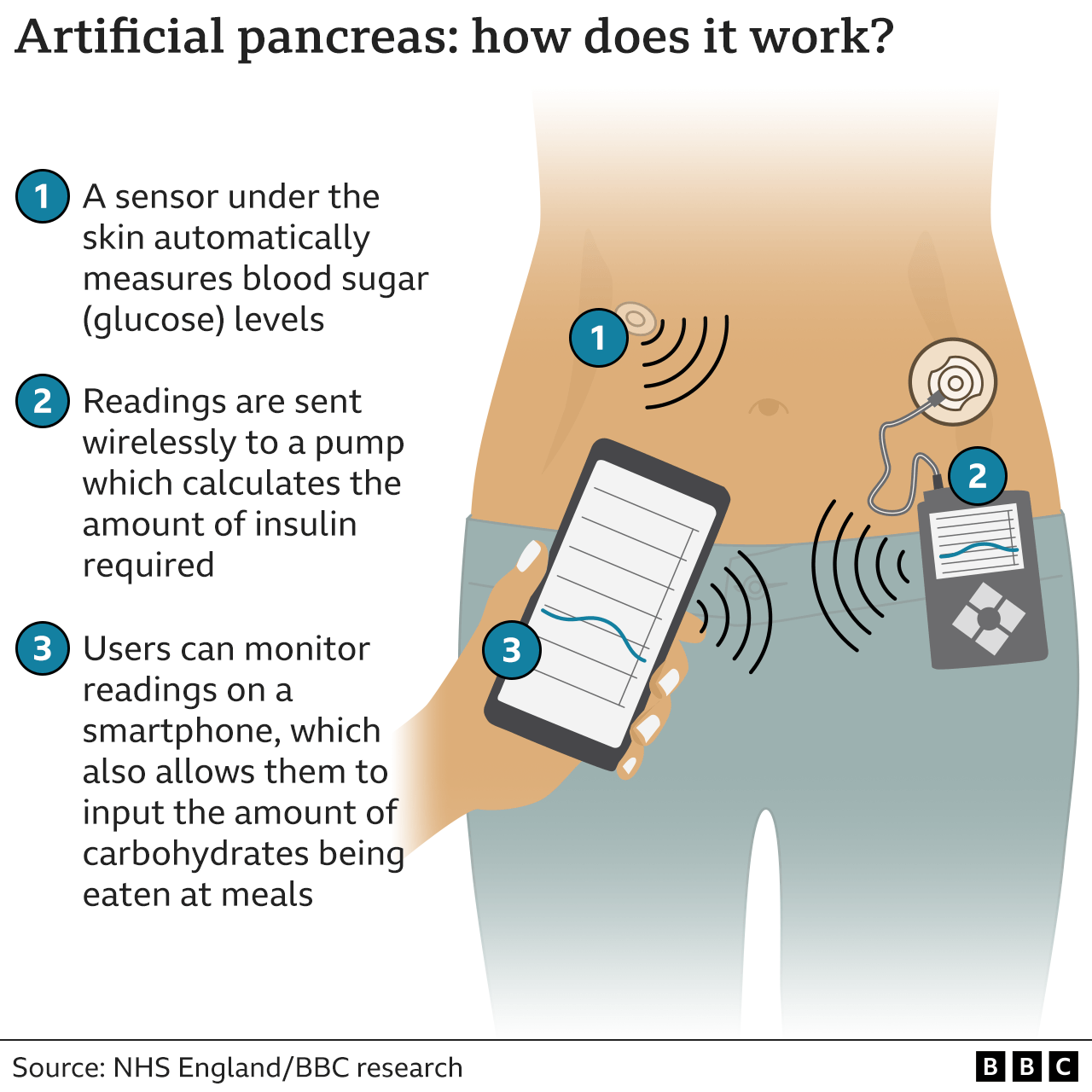
The system functions through a cohesive loop of hardware: a sensor worn on the arm tracks blood glucose levels, relaying that data to a pump worn on a belt. A tube connected to a cannula on the abdomen then administers insulin automatically or pauses the supply based on real-time readings. This evolution in care replaces the traditional, manual method of carrying needles and constant self-monitoring.
Hammond, who maintains an active lifestyle as a hockey player for the Milton Keynes Bolts, views her experience as a testament to what is possible for those with the condition. She credits her teammates’ support for her ability to participate in a high-intensity sport, noting that they remain aware of her health needs even during competitive play.
Significance and Future Outlook
The significance of this technology lies in its ability to automate a process that otherwise demands constant mental attention. While the condition remains a permanent part of life, the ability to adapt through medical innovation offers a pathway to increased independence. As more patients gain access to such systems, it is likely that many will find it easier to pursue active lifestyles without the restrictive management burdens of the past.
Looking ahead, the continued integration of this technology could lead to broader improvements in quality of life for the 400,000 people affected by Type 1 diabetes in the UK. As patients become more accustomed to these devices, healthcare providers may observe a trend of increased engagement in physical activities among the diabetic community, further challenging perceived limitations of the condition.
Frequently Asked Questions
How does the artificial pancreas work?
The system uses a sensor on the arm to track blood sugar levels and a pump on a belt to relay that information, automatically delivering or stopping insulin through a cannula on the stomach.
What causes Type 1 diabetes?
It is caused by the immune system attacking cells in the pancreas that are responsible for controlling blood sugar levels.
How long has this technology been available via the NHS?
The technology was adopted by the NHS two years ago.
How has advancements in medical technology changed your perspective on managing long-term health conditions?