
As Ebola scourges Congo, experts warn of link to eating wild animals
In the bustling corridors of Kinshasa’s Masina Market, the trade of viande de brousse—wild meat—continues with a quiet, persistent rhythm. While the world watches health alerts flicker across screens, for millions in the Congo Basin, this practise is not just a food source; It’s a cultural cornerstone. Yet, as the interface between human populations and wildlife deepens, the global health community is bracing for what could be the next great challenge in zoonotic disease management.
The Invisible Bridge: Why Zoonotic Risks Are Rising
The transmission of viruses from animals to humans, or “spillover,” is rarely a random event. It is a calculated risk driven by the proximity of human settlements to dense, biodiversity-rich ecosystems like the Congo Basin—the planet’s second “lung.”
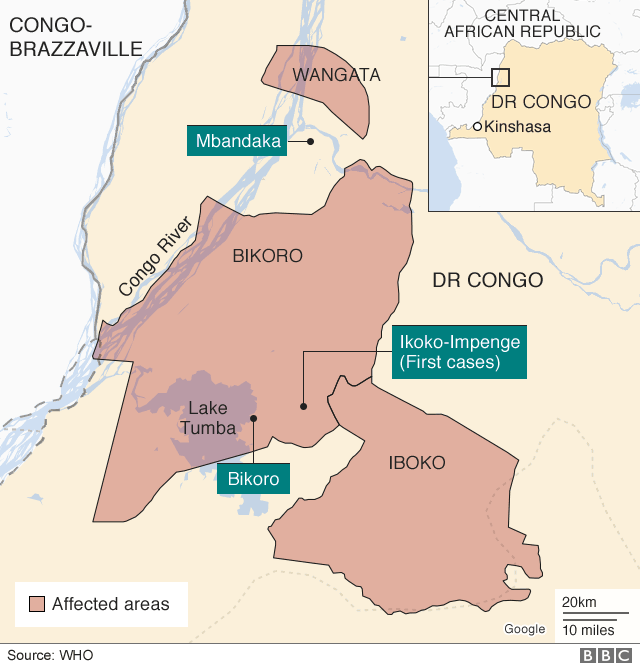
When hunters, butchers, and consumers handle carcasses from species like bats, primates, or rodents, they inadvertently enter a biological lottery. According to the Centers for Disease Control and Prevention (CDC), while the consumption of cooked meat is often not the primary transmission vector, the butchering process—which involves exposure to blood, sweat, and other fluids—is where the danger lies.
The Congo Basin acts as a massive carbon sink, capturing more carbon than the Amazon. Protecting this ecosystem isn’t just about saving endangered species like bonobos; it is a critical global strategy for climate stability and disease prevention.
Future Trends: Balancing Cultural Heritage and Public Health
Looking ahead, the tension between traditional diets and modern epidemiological risks will likely define the next decade of public health policy in Central Africa. Experts suggest three emerging trends:

- One Health Integration: Governments are increasingly moving toward a “One Health” approach, which recognizes that human health is inextricably linked to the health of animals and the environment. This means conservationists and epidemiologists are finally starting to work in the same rooms.
- Alternative Protein Incentives: To reduce reliance on wild meat, development agencies are exploring sustainable livestock initiatives. The goal is to make affordable, domesticated protein sources accessible, effectively “pricing out” the risk of bushmeat.
- Community-Led Education: Moving away from top-down bans, which often fail, the focus is shifting toward local influencers and village leaders. By demystifying the link between specific animal handling practices and outbreaks, health workers are seeing higher compliance rates than with traditional punitive measures.
The Challenge of Enforcement
Despite regulations against the trade of endangered great apes, enforcement remains porous. In many regions, the economic necessity of the bushmeat trade outweighs the fear of rare, sporadic outbreaks. As Dr. Misaki Wayengera, a noted microbiologist, has observed, changing core cultural practices is a generational task, not a seasonal campaign.
When travelling in regions with high zoonotic activity, prioritize food safety by avoiding “wild” or “exotic” meat options. Always support regional conservation efforts that empower local communities to transition toward sustainable agriculture.
Frequently Asked Questions
Is Ebola spread through eating cooked meat?
Ebola is primarily spread through direct contact with the bodily fluids of infected people or animals. While eating cooked meat is safer, the risk occurs during the hunting, butchering, and preparation phases where contact with raw fluids is common.
Why is the bushmeat trade so difficult to stop?
For many, it is a primary, affordable source of protein and a deeply ingrained cultural tradition. Economic hardship often leaves families with few alternatives, making the trade a matter of survival rather than choice.
What is the “One Health” approach?
It is a collaborative, multisectoral approach that works at the local, regional, and global levels to achieve optimal health outcomes by recognizing the interconnection between people, animals, plants, and their shared environment.
Join the Conversation
The intersection of biodiversity, culture, and global health is a complex puzzle that requires nuanced solutions. What do you think is the most effective way to address the risks associated with the wildlife trade? Should the focus be on stricter laws or better economic alternatives for local communities?
Share your thoughts in the comments below, or subscribe to our newsletter for deep-dive reports on global health trends.