

Australian NRI Sunil Sharma Murdered by Brother in India Over Property Dispute
The murder of Sunil Sharma, an Australian NRI and maths teacher, highlights a dangerous trend of family-led property fraud targeting expats. Police in India arrested Sharma’s brother, Satish, and three accomplices after they allegedly lured him to India, drugged him, and killed him with a baseball bat to seize crores in property.
Why are NRIs frequently targeted in property disputes?
Distance creates a vulnerability that criminals—often family members—exploit. For many Non-Resident Indians (NRIs), ancestral land or inherited homes in India are managed by relatives. This “trust-based” management system often collapses when property values skyrocket, turning siblings or cousins into predators.

In the case of Sunil Sharma, the Times of India reported that he was lured back to India under the guise of a property deal. He was close to retirement and intended to sell two properties to fund his life in Australia. This transition period—where an asset is about to be liquidated—is the highest risk window for NRIs.
According to various legal reports on NRI disputes, the lack of physical oversight allows local relatives to manipulate land records or coerce the owner into signing documents they don’t fully understand.
How is “Power of Attorney” being weaponized against expats?
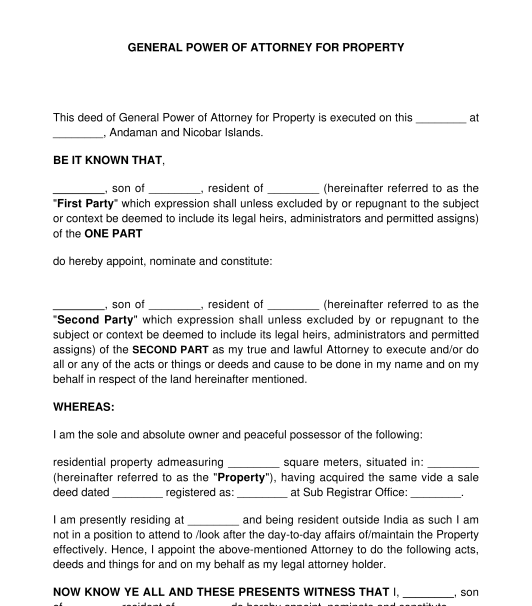
The Power of Attorney (PoA) is a legal tool designed for convenience, but it’s frequently weaponized in financial crimes. As seen in the Sunil Sharma investigation, the plot involved a forged power of attorney to transfer ownership of crores of property.

A “General Power of Attorney” (GPA) gives the agent broad powers to act on the owner’s behalf. If the agent is dishonest, they can sell the property, mortgage it, or transfer the title without the owner’s knowledge. This is a systemic issue in Indian real estate, where the gap between the registration of a deed and the owner’s awareness can be months or even years.
Legal experts suggest moving toward “Special Power of Attorney” (SPA), which limits the agent’s power to a single, specific task—such as paying property taxes—rather than granting total control over the asset.
What security measures should NRIs take when visiting India?
Surbhi Sharma, Sunil’s daughter, noted that her father had been warned not to visit because it’s “not uncommon” for family members to go missing over money. While tragic, her warning reflects a reality for many in the diaspora.
To mitigate risk, NRIs should avoid traveling alone for property dealings. Having a legal representative or a trusted, non-family professional accompany them provides a layer of accountability. Furthermore, sharing a real-time itinerary and using GPS-enabled check-ins with family abroad can create a digital trail.
In Sharma’s case, CCTV footage from May 22 became a critical piece of evidence, showing him overseeing painters. This highlights the importance of choosing properties with existing security infrastructure or installing smart cameras that upload to the cloud, ensuring evidence isn’t lost if local hardware is destroyed.
The shift toward digital land registries and blockchain
The future of NRI property safety lies in the removal of the “middleman.” The reliance on property dealers—one of whom was arrested in the Sharma case—is a major vulnerability. We are seeing a trend toward the digitalization of land records to ensure transparency.
Blockchain technology is being discussed as a potential solution for land titling. By creating an immutable ledger, it would be nearly impossible for a relative to forge a Power of Attorney or alter a deed without triggering an alert to the actual owner. This would shift the power from the local “strongman” back to the legal owner.
Until these systems are universal, NRIs are encouraged to use the Ministry of External Affairs guidelines for legalizing documents and ensuring that all PoAs are registered at the relevant consulate.
Common Questions About NRI Property Safety
Is a General Power of Attorney (GPA) safe?
Generally, no. A GPA grants too much power. It is safer to use a Special Power of Attorney (SPA) that is limited in scope and time.
How can I check my property status from abroad?
Most Indian states now have online “Bhu-Naksha” or land record portals where you can check the current owner of a plot using the survey number.
What should I do if a relative refuses to sell my property?
Avoid direct confrontation. Engage a licensed property lawyer to send a formal legal notice and file a suit for partition or possession in the local civil court.
For more insights on protecting your assets abroad, check out our guide on NRI Legal Rights and Property Protection.
Have you or your family faced challenges with ancestral property?
Share your experience in the comments below or subscribe to our newsletter for more expert legal and security advice for the global Indian community.