
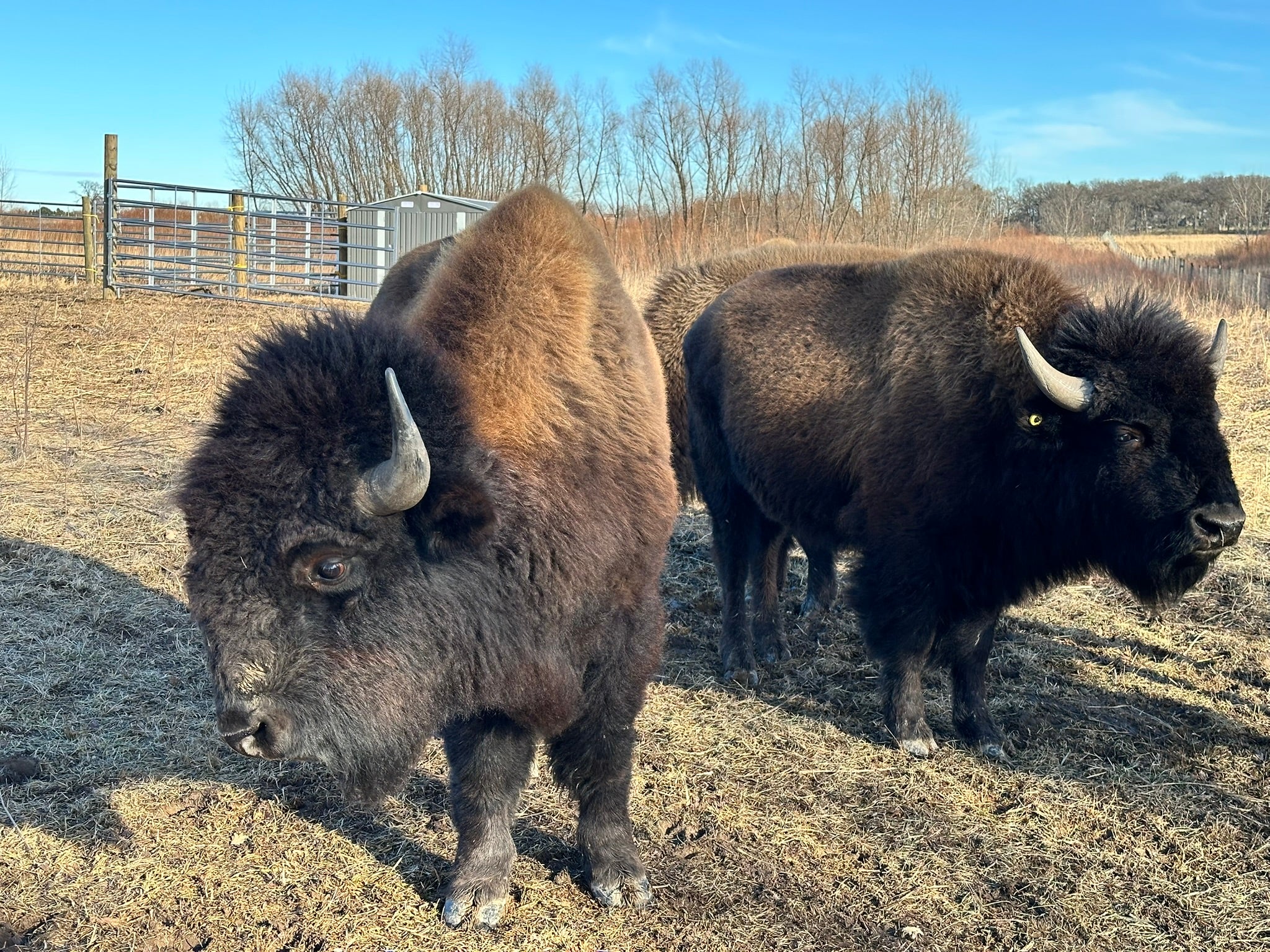
Bison Return to the Illinois Prairie Near Chicago
A small herd of bison has returned to the Burlington Prairie Forest Preserve in Kane County, Illinois, marking the first time the animals have inhabited these native lands in over 200 years. This reintroduction is a collaborative effort between the Forest Preserve District of Kane County, the American Indian Center of Chicago (AIC), and Ruhter Bison to restore the “Prairie State’s” ecological and cultural heritage.
The initiative began on December 5, 2025, when six bison were introduced into a 38-acre fenced enclosure. According to officials, the herd has already grown to seven members following the birth of a calf on May 9, 2026.
Why is the return of bison significant for Illinois?
The return of the bison is both a cultural and ecological milestone. Jessica Pamonicutt, president of the AIC, stated that having the bison on the prairie allows urban Indigenous people to connect with their indigeneity and understand the animal’s significance in Indigenous history.
Historically, 30 to 60 million bison roamed the Great Plains during the 1800s. European colonization and mass slaughter led to their near-extinction, which Patrick Chess, District Natural Resource Management Director, notes is inextricably linked to the story of Indigenous people and the loss of native foodways.
How do bison reshape the prairie ecosystem?
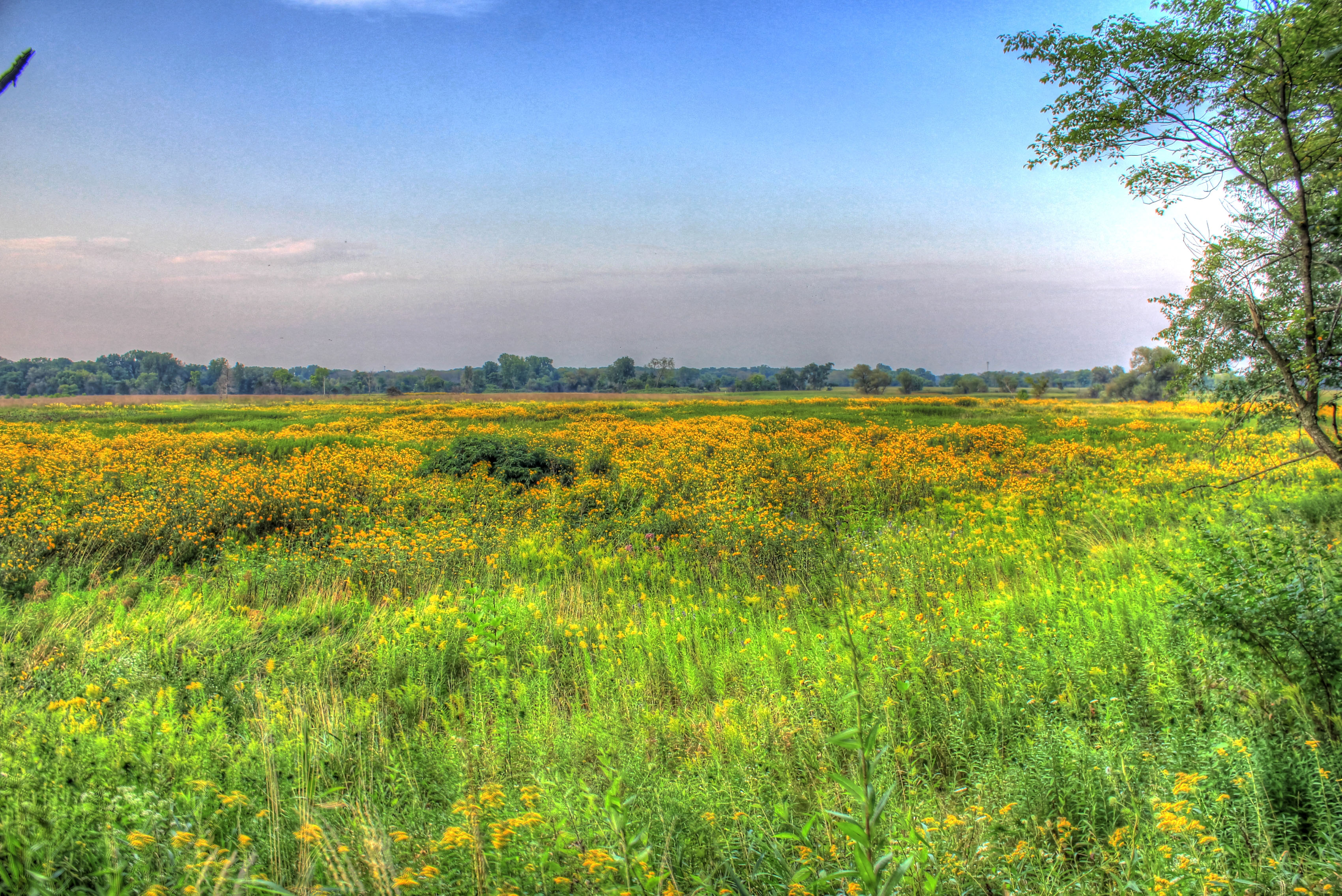
Bison act as a keystone species, meaning the prairie and the animals depend on one another for survival. Their grazing patterns create a mosaic landscape, allowing grasses to regenerate at different rates and potentially increasing the presence of native wildflowers.

The animals also create “bison wallows”—depressions in the earth formed by rolling in the dirt. These wallows collect water, creating microhabitats for insects and wildlife that attract more birdlife to the area.
According to the Kane County Forest Preserve team, early anecdotal evidence suggests a positive impact. They have observed grassland birds utilizing the shorter, grazed grasses, though the team is waiting a full season to collect reliable scientific data.
What happens next for the Burlington Prairie herd?
The project is expected to grow in both scale and population. The team plans to expand the current enclosure by 30 percent, which would bring the total area to 90 acres.
Patrick Chess indicated that the ideal long-term goal could be a fenced area of 150 acres supporting a herd of 25 to 30 bison. To achieve this, the team may introduce more bison this fall to diversify the herd’s DNA.
Additionally, the AIC is working on a community science program. This initiative is likely to teach the public about the bison’s relevance to Indigenous history and help younger generations identify with their heritage through the animals.
How can the public visit the bison?
The Burlington Prairie Forest Preserve is located about 60 miles northwest of Chicago in Burlington Township. Visitors can observe the herd from a respectful distance behind a fence.

The preserve offers three short trails. Visitors may link the Wild Turkey Loop with the Horned Lark Loop for a total of three miles of walking through tallgrass prairie. On-site parking is available, though the preserve suggests checking the website for closures during snowy or wet weather.
Frequently Asked Questions
When did the bison first arrive at Burlington Prairie?
Six bison were introduced to the preserve on December 5, 2025.
Who is responsible for the daily care of the herd?
The project is a three-way partnership: the Forest Preserve District of Kane County owns the land, the American Indian Center of Chicago stewards the bison, and Ruhter Bison manages the herd’s day-to-day needs.
How many bison are currently in the herd?
There are currently seven members, including a calf born on May 9, 2026.
Do you think reintroducing keystone species to urban-adjacent preserves is the most effective way to restore native ecosystems?