
Middle East Conflict Update: US Strikes Iran and Israel Hits Gaza
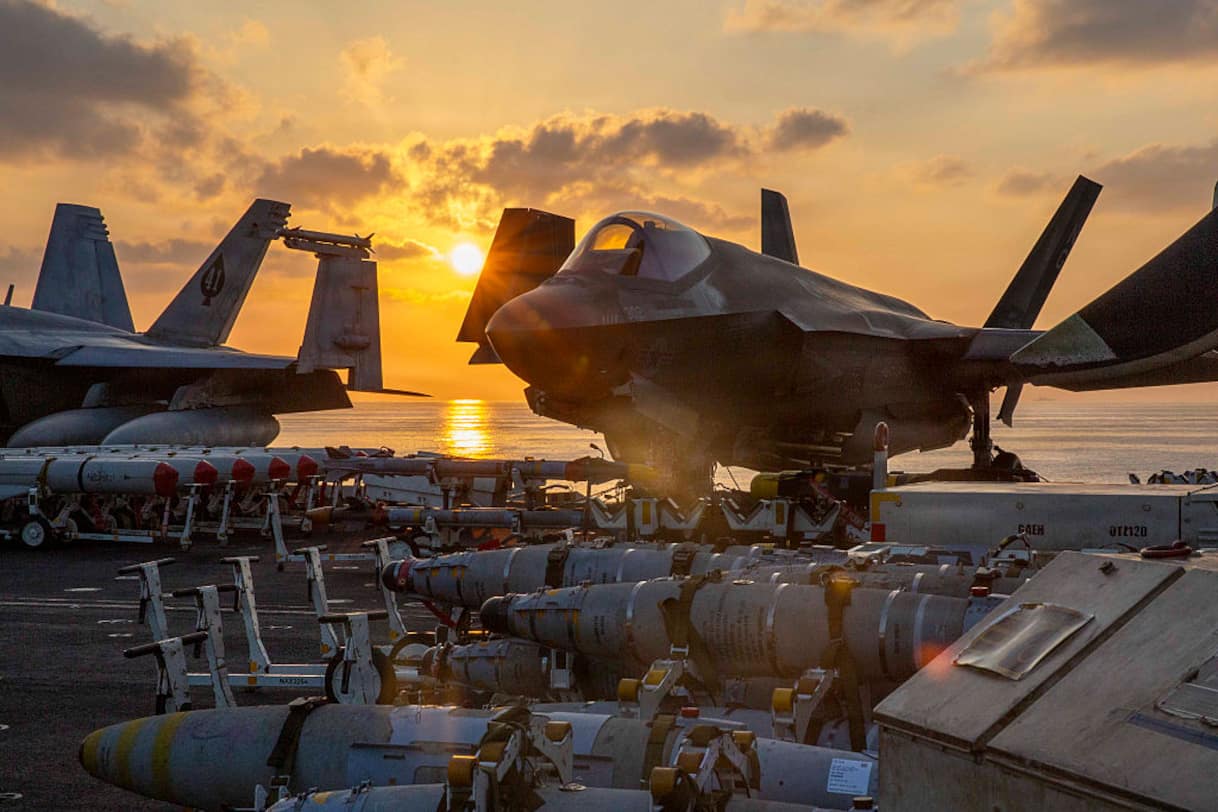
U.S.-Iran tensions have escalated following U.S. Central Command strikes on Iranian radar stations in Goruk and on Qeshm Island, alongside the interception of four Iranian drones near the Strait of Hormuz. While military friction persists, diplomatic efforts are centering on the potential release of $24 billion in frozen Iranian assets, with Tehran demanding at least 50% of these funds upon the signing of a peace memorandum.
Why the Release of Frozen Assets is Central to Peace Talks
The financial deadlock involves approximately $24 billion in Iranian assets held globally due to sanctions. According to Iranian Deputy Foreign Minister Kazem Gharibabadi, Tehran insists that at least half of these funds be unlocked immediately after a memorandum of understanding is signed.
Mohsen Rezaei, a military advisor to Supreme Leader Mojtaba Khamenei, told CNN that the negotiations are currently in a stalemate. He stated that the “ball is in Trump’s court” regarding the availability of these funds, warning that a return to full-scale combat would lead the U.S. into a “dark tunnel.”
How Military Escalation is Impacting Regional Trade
The conflict has shifted toward critical infrastructure. U.S. forces targeted radar positions for defensive purposes, while the Iranian Revolutionary Guard announced attacks on “enemy bases” in the region. These actions resulted in the temporary closure of Kuwait’s international airport and the activation of emergency sirens in Bahrain.

The Strait of Hormuz remains a primary volatility point. While a U.S. official told the New York Times that over 100 merchant ships passed through the strait in May with U.S. support, the passage remains dangerous. Markets have reacted positively to the prospect of a temporary ceasefire, though the stability of any such agreement is viewed as fragile.
What Could Happen Next in U.S.-Iran Negotiations
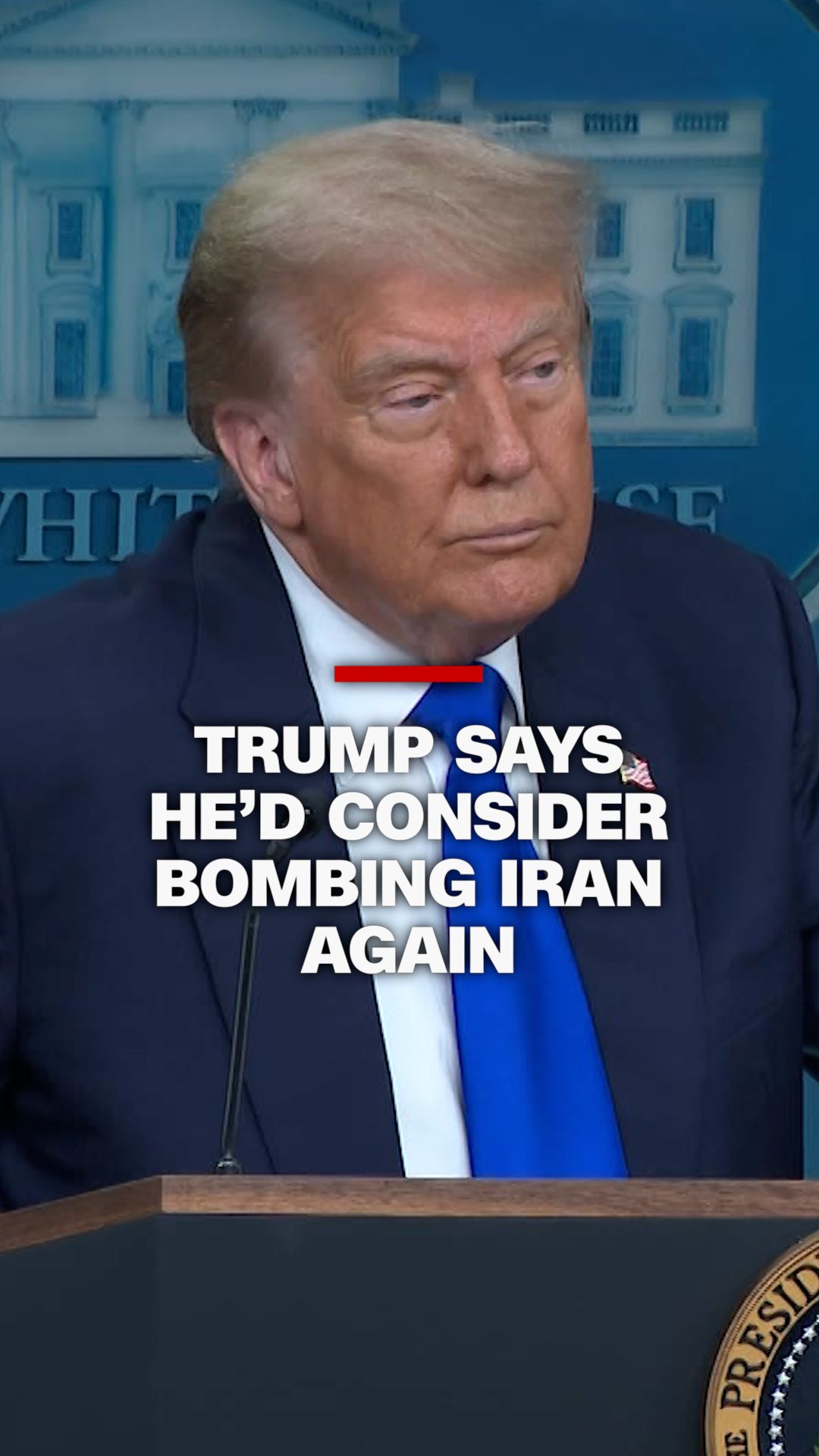
A strict timeline is now in place. President Trump has informed mediators that negotiations must not exceed a 60-day window, urging Tehran to respond rapidly as the deadline approaches.
Pakistan has stepped in as a primary mediator. Interior Minister Mohsin Naqvi recently arrived in Tehran to deliver a special message from Prime Minister Shahbaz Sharif and Army Chief Asim Munir to Mojtaba Khamenei. A possible next step could involve a provisional agreement where $12 billion is released initially, followed by the remainder in a later phase.
The Broader Conflict: Israel, Lebanon, and Gaza
Regional instability is compounded by Israeli military operations. In Lebanon, the IDF admitted to killing a Lebanese brigadier general, a captain, and a soldier “by mistake” during a raid targeting Hezbollah. This follows reports from the New York Times that Israel used white phosphorus in populated areas of Lebanon, including near Tyre and Nabatieh, a claim the IDF denied.
In Gaza, Al Jazeera reported that Israeli missiles hit a wedding tent, resulting in at least eight deaths. These strikes occur despite a ceasefire agreed upon in October 2025. Meanwhile, the “Board of Peace” fund for Gaza’s reconstruction is facing scrutiny over whether collected funds are actually reaching the population.
Frequently Asked Questions
What are the specific financial demands from Iran?
Tehran is requesting the release of $24 billion in frozen assets, specifically asking for 50% (approximately $12 billion) to be unlocked immediately upon signing a memorandum of understanding.
What military targets were hit in the recent U.S. raids?
U.S. Central Command targeted Iranian radar positions in Goruk and on Qeshm Island and shot down four drones launched toward the Strait of Hormuz.
What is the role of Pakistan in the current crisis?
Pakistan is acting as the main mediator between Washington and Tehran, with Interior Minister Mohsin Naqvi delivering high-level messages to the Iranian leadership to facilitate a long-term agreement.
Do you believe financial incentives like the release of frozen assets are more effective than military pressure in achieving long-term regional stability?